- Prioritize Mobility: Choose lightweight, four-wheel spinner luggage to eliminate physical strain on your back, shoulders, and wrists while navigating train stations.
- The “Rule of Three”: For short-haul trips, limit your clothing to three versatile outfits that can be layered, reducing weight and simplifying your packing process.
- Safety First: Always keep medications, identification, and essential mobility aids in a small, accessible crossbody bag that remains with you at all times.
Traveling by train is one of the most rewarding ways to see the world, especially for those in their 60s, 70s, and beyond. It offers a level of comfort, scenic beauty, and station-to-center connectivity that flying simply cannot match. However, the joy of a train trip can quickly vanish if you are struggling with heavy, cumbersome luggage. Minimalist packing is not about deprivation; it is about empowerment. By refining what you bring, you ensure that your journey is defined by the destinations you visit, not the weight you carry.
The Philosophy of Minimalist Packing for Seniors
Minimalist packing for a short-haul train trip—defined here as a journey lasting between one to three nights—is a strategic exercise in energy conservation. As we age, our stamina is a precious resource. Every kilogram you carry is a kilogram that limits your flexibility, increases your risk of fatigue, and complicates navigation through crowded platforms or steep staircases.
The goal is to achieve “carry-on independence.” When you can manage your own luggage effortlessly, you retain your autonomy. You are not reliant on porters, the kindness of strangers, or the availability of elevators, which are sometimes out of service. Minimalist packing essentially means choosing items that serve multiple purposes and prioritizing lightweight materials.

Choosing the Right Luggage: The Foundation of Ease
The most common mistake senior travelers make is using luggage that is either too large or physically difficult to maneuver. For a short-haul train trip, you do not need a large checked bag. A high-quality, lightweight carry-on suitcase is almost always sufficient.
The Importance of Four-Wheel Spinners
If you are still using a two-wheeled “roll-aboard,” it is time for an upgrade. Two-wheeled bags require you to pull the weight behind you, which places significant torque on your shoulder and wrist. A four-wheel spinner suitcase allows the bag to glide alongside you. This reduces the strain on your joints and allows you to move through train stations with an upright posture.
Weight and Material Considerations
Look for polycarbonate or high-denier nylon bags. These materials are incredibly durable yet remarkably light. A good carry-on for a senior traveler should weigh no more than 2.5 to 3 kilograms when empty. If you cannot lift your empty suitcase into an overhead rack comfortably, it is likely too heavy for your needs.
| Feature | Why It Matters | Recommendation |
|---|---|---|
| Weight | Prevents physical strain and fatigue. | Under 3kg (empty). |
| Wheels | Allows for vertical, upright movement. | Four-wheel 360-degree spinners. |
| Handle | Ensures comfortable grip and control. | Telescopic, ergonomic rubberized grip. |
The table above highlights the critical features to look for. When shopping, test the handle height. It should reach your waist or hip comfortably so you do not have to stoop or reach upward while pushing the bag.
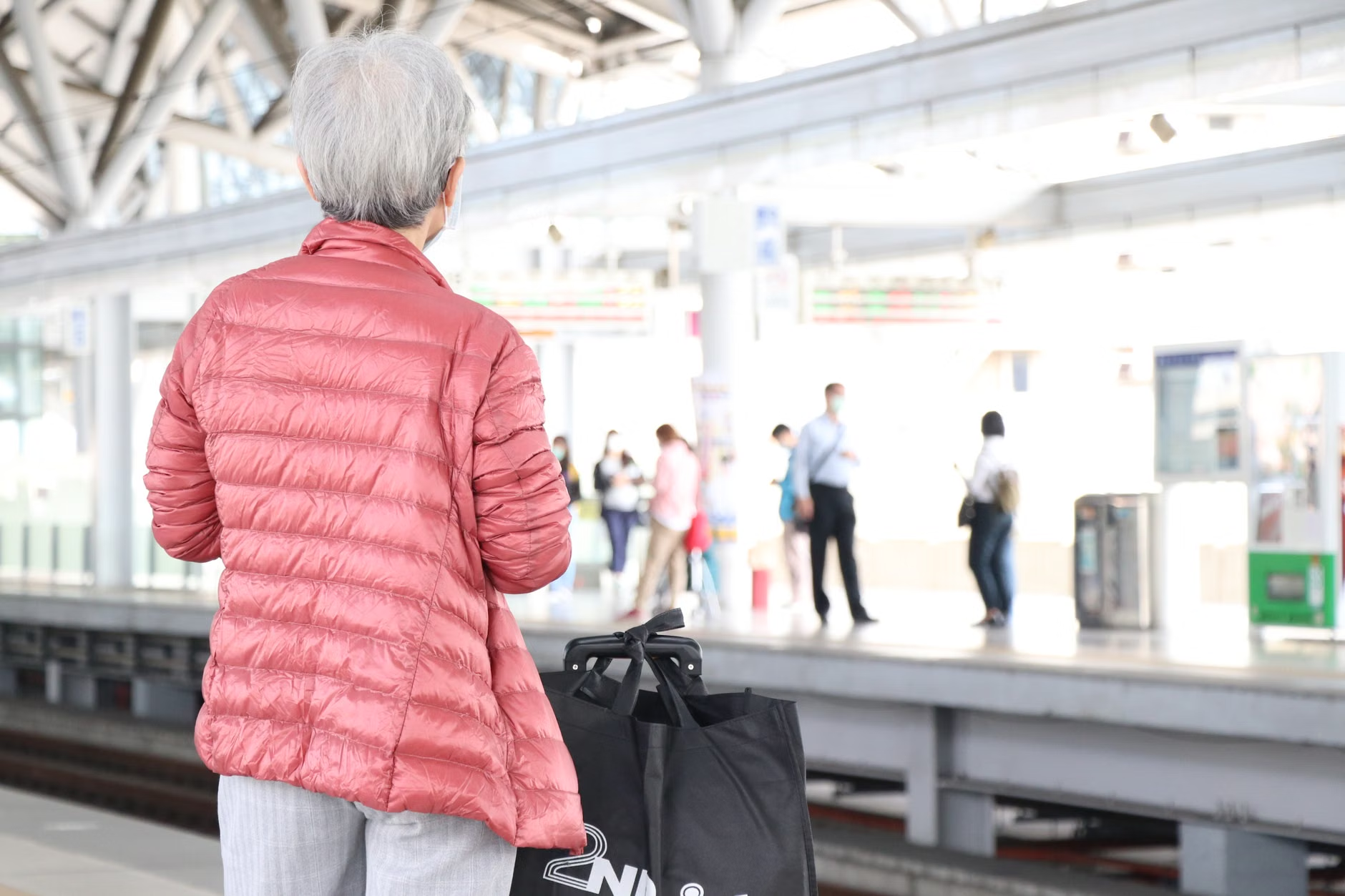
Strategic Clothing Selection: The Layering System
For a three-day trip, many people make the mistake of packing five or six outfits “just in case.” This is the primary driver of excess weight. Instead, adopt the “three-outfit rule.”
- Day 1: Wear your heaviest items (e.g., trousers, comfortable walking shoes, a light sweater).
- Day 2: Pack one pair of lighter trousers or a skirt, two tops, and one extra set of undergarments.
- Day 3: Use your base layers from Day 1 or Day 2 to create a fresh look.
Focus on fabrics that are wrinkle-resistant and breathable, such as merino wool or synthetic blends. Avoid heavy denim or thick cottons that take up significant space and take longer to dry if they get wet. If you are traveling in cooler climates, a high-quality down vest or a thin, packable windbreaker is far more effective than a heavy coat.
Managing Medications and Health Essentials
Never pack your daily medications in your main suitcase. If the train is crowded and you are forced to check your bag in a luggage compartment at the end of the carriage, you lose immediate access to your health essentials.
Keep a “health kit” in your personal bag (the one that stays at your seat). This should include:
- A list of all current medications, including dosage and frequency.
- A small supply of essential daily medications for the duration of the trip, plus an extra 48-hour buffer.
- Any necessary mobility aids, such as a foldable cane or knee support.
- Contact information for your primary healthcare provider.
The Hidden Inconvenience: Station Accessibility
Even if you pack light, train stations can be challenging. Many older stations, particularly in Europe, may have platforms that require walking long distances or navigating uneven surfaces. Before you depart, use official websites like National Rail (UK), Deutsche Bahn (Germany), or Amtrak (USA) to check the accessibility status of your departure and arrival stations.
Pro-Tip: Look for the “Assistance” or “Special Needs” pages on these websites. Most major rail operators offer free assistance for passengers who need help navigating the platform or boarding the train. This is not just for those with severe mobility issues; it is a service available to anyone who wants to ensure a stress-free transition, especially if you have luggage.
Managing Your Energy: Pacing and Recovery
Minimalist packing is ultimately about managing your stamina. If you are exhausted from lugging a heavy bag, you will enjoy your destination less. Follow these rules for a smoother trip:
- The “Carry-On Only” Rule: If you cannot carry it up a flight of stairs, do not bring it.
- Use Compression Cubes: These help organize your clothing and compress the volume, making it easier to find what you need without rummaging through your entire bag.
- Hydration and Nutrition: Train travel can be dehydrating. Carry a reusable water bottle that fits in the side pocket of your personal bag. Avoid relying on station kiosks, which may be far from your platform or have long queues.
Advanced Tips for the Seasoned Traveler
Beyond the basics, consider the small details that make a significant difference. For example, chargers and cables often become tangled. Use a small, dedicated tech pouch to store your phone charger, tablet cable, and power bank. This prevents the “cabling chaos” that often occurs when you need to recharge your devices on the train.
Another overlooked variable is the climate control on trains. While they are generally comfortable, they can be drafty or overly warm. Dressing in layers allows you to adjust your body temperature quickly without needing to open your suitcase. A light scarf or a pashmina is an excellent, minimal-weight addition that provides warmth and comfort during the journey.
Conclusion: Empowerment Through Minimalism
The art of packing light is a skill that improves with every trip. By focusing on essential, versatile items and prioritizing your physical mobility, you reclaim the pleasure of travel. Remember, the goal of your train trip is to experience new places, visit friends, or simply enjoy the landscape—not to manage a mountain of luggage. Start small, test your setup on a short day trip, and adjust as you learn what you truly need. You will find that when you carry less, you are free to do more.
Frequently Asked Questions
1. How do I decide what to leave behind when I feel like I need everything?
Start by laying out everything you think you need, then remove 30% of it. For a short-haul trip, you rarely need more than two changes of clothes. If you truly run out of something, you can almost always purchase basic toiletries or items at your destination.
2. Is it better to use a backpack or a suitcase for train travel?
For most seniors, a four-wheel spinner suitcase is superior to a backpack. A backpack puts significant strain on your back and shoulders and requires you to swing it on and off, which can affect your balance. A suitcase remains on the ground, supporting its own weight.
3. What should I do if I have a mobility issue that makes carrying even a small bag difficult?
Do not hesitate to book “Passenger Assistance” through the train operator’s website. This service is designed to help passengers with luggage, boarding, and navigating stations. It is a standard service, and using it ensures you arrive at your seat safely and without physical strain.
Sources and Further Reading:
National Rail – Passenger Assistance (UK)
Deutsche Bahn – Accessibility Services (Germany)
Amtrak – Accessible Travel Services (USA)