Key Takeaways
- Prioritize Terrain and Elevation: Always verify if the path from the hotel lobby to the riverfront is flat or ramped; avoid hotels requiring stairs for promenade access.
- Verify Room Proximity: In large riverfront properties, request a room near the elevator to minimize walking distance, which is crucial for managing daily stamina.
- Confirm Accessibility Standards: Do not rely on generic “accessible” labels; check for specific requirements like roll-in showers, grab bars, and step-free access to public transport links.
Selecting a riverfront hotel promises the allure of serene views, gentle morning walks, and a relaxing atmosphere. However, for travelers aged 60 to 80, the difference between an enjoyable stay and an exhausting ordeal often lies in the fine details of accessibility and logistics. A hotel that markets itself as “near the river” may still present significant challenges such as steep inclines, uneven cobblestones, or excessive walking distances between your room and the water’s edge.
This guide provides a comprehensive framework for selecting a riverfront hotel that balances your desire for scenic beauty with the practical requirements of safety, mobility, and comfort.
Evaluating the Physical Connection Between Hotel and Promenade
The most common oversight when booking a riverfront stay is assuming the hotel and the promenade are seamlessly connected. A hotel might be physically located on the bank of a river, but if it is perched on a bluff or separated by a busy multi-lane road, the accessibility experience changes entirely.
The “Slope and Step” Assessment
Before finalizing a booking, use satellite map tools to inspect the terrain. Look for the transition point between the hotel exit and the pedestrian path. If you see stairs, look for a secondary ramp. If you cannot identify a ramp on digital maps, contact the hotel directly with this specific question: “Is there a step-free, paved route from the hotel’s main exit to the river promenade?”
Common Mistake: Many older hotels in historic European or Asian river cities were built before universal design standards. They may have a “ground floor” that actually requires climbing three or four steps to reach the lobby. Always confirm the number of steps at the entrance.
Distance and Stamina Management
Large, luxury riverfront resorts often have sprawling grounds. While these are beautiful, they can be counter-productive for those who prefer to conserve energy. A hotel that spans three city blocks might require a ten-minute walk just to get from your bedroom to the hotel’s main exit. When booking, prioritize properties with a “vertical” layout—where elevators are centrally located and provide quick access to the ground floor and the promenade.
| Hotel Type | Accessibility Profile | Best For |
|---|---|---|
| Boutique Riverfront | Compact, fewer stairs, personalized service. | Travelers seeking low-exertion stays. |
| Modern High-Rise | Excellent elevator access, standardized rooms. | Travelers needing mobility aids/equipment. |
| Historic Manor | Variable; often requires careful research. | Travelers with high mobility. |
Verifying Room Accessibility Beyond Basic Amenities
The term “accessible room” is a broad regulatory category, but it does not tell the whole story. For an older adult, the functionality of the bathroom and the layout of the bedroom are paramount.
Bathroom Safety: The Gold Standard
When requesting an accessible room, ask for specific details regarding the bathroom layout. A roll-in shower is significantly safer than a shower-over-tub configuration, which requires stepping over a high ledge. Ask if the shower has a fixed bench or if a portable shower chair is available. Warning: Never assume a “walk-in” shower means “roll-in.” A walk-in shower might still have a small curb that acts as a tripping hazard.
The Importance of Floor Surfaces
Riverfront hotels often feature aesthetic designs that include polished stone floors or thick, plush carpets. While visually appealing, highly polished stone can become slippery when humid (common near rivers), and deep-pile carpets can make it difficult to maneuver a walker or a wheeled suitcase. Request a room with firm, low-pile carpeting or hard-surface flooring with a non-slip finish.

Once you arrive at the riverfront, the promenade itself becomes your primary leisure space. However, not all promenades are created equal. Understanding the local infrastructure will help you pace your walks effectively.
Assessing Surface Quality and Lighting
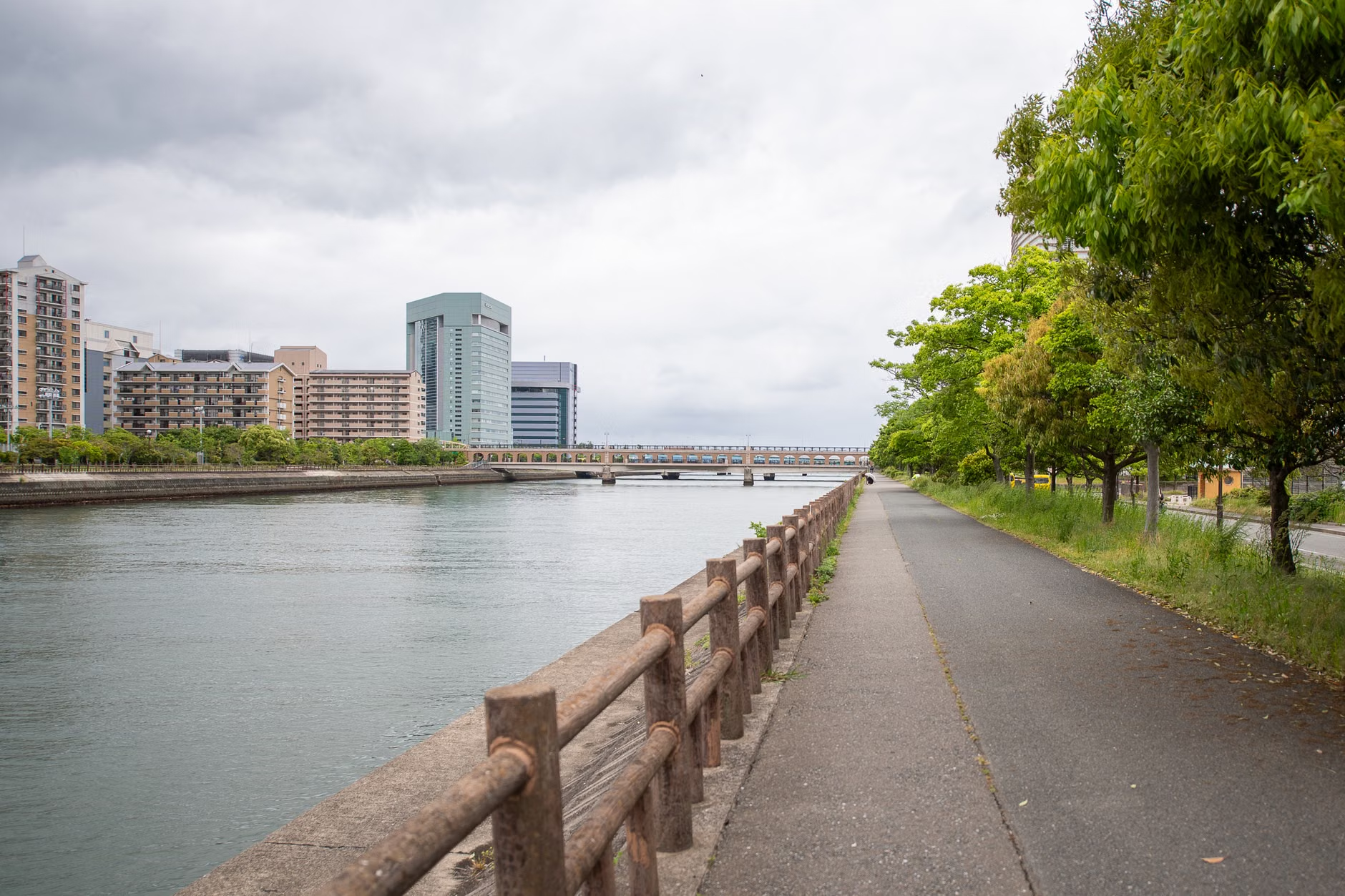
Look for promenades with smooth, paved surfaces rather than loose gravel or uneven cobblestones. Cobblestones are particularly hazardous for those using canes or walkers, as they increase the risk of a stumble. Additionally, check if the promenade is well-lit for evening strolls. If you plan on walking after dark, ensure there are clear, illuminated markers and that the path is regularly patrolled or monitored.
Rest Stops and Seating Frequency
A rule of thumb for comfortable walking is to ensure you are never more than 100 meters away from a place to sit. Before committing to a specific hotel, look at photographs of the nearby promenade. Do you see benches? If the promenade looks “clean” and minimalist, it likely lacks seating. If you have limited stamina, you may need to plan your walks based on the availability of cafes or public benches along the route.
Logistics: Transport and Support Systems
Your ability to enjoy the riverfront is tethered to how easily you can reach the hotel and move between the city and the river. Relying on taxis or ride-shares is common, but you must ensure the hotel’s drop-off point is level with the entrance.
Drop-off Point Accessibility
Some hotels have beautiful entrances, but the driveway leading to them may be on a slope. If you are traveling with luggage or have mobility challenges, this slope can make the initial check-in process stressful. Call the hotel and ask: “Is the taxi drop-off point at the same level as the hotel lobby, or are there steps required to enter the building from the curb?”
Public Transport Proximity
If you plan to explore the city, check if there is an accessible bus or tram stop within 300 meters of the hotel. In many major cities, transport authorities provide “accessibility maps” that highlight stations with elevators and ramp access. Cross-reference these maps with your hotel’s location to ensure you aren’t stranded in a “transit desert.”
Health and Stamina Management During Your Stay
Traveling to a new environment, even one that is “accessible,” requires adjustments to your daily routine. Managing your health effectively is the key to maintaining the energy needed for exploration.
Preparation for Medical Needs
Regardless of your health status, always carry a “travel health file.” This should include a list of your current medications (with dosages), a brief summary of your health history, and contact information for your primary care physician. In a foreign country, keep this information translated into the local language if possible. If you take medications that require specific storage (like refrigeration), confirm with the hotel that your room will have a functioning, dedicated mini-fridge.
Pacing Your Daily Itinerary
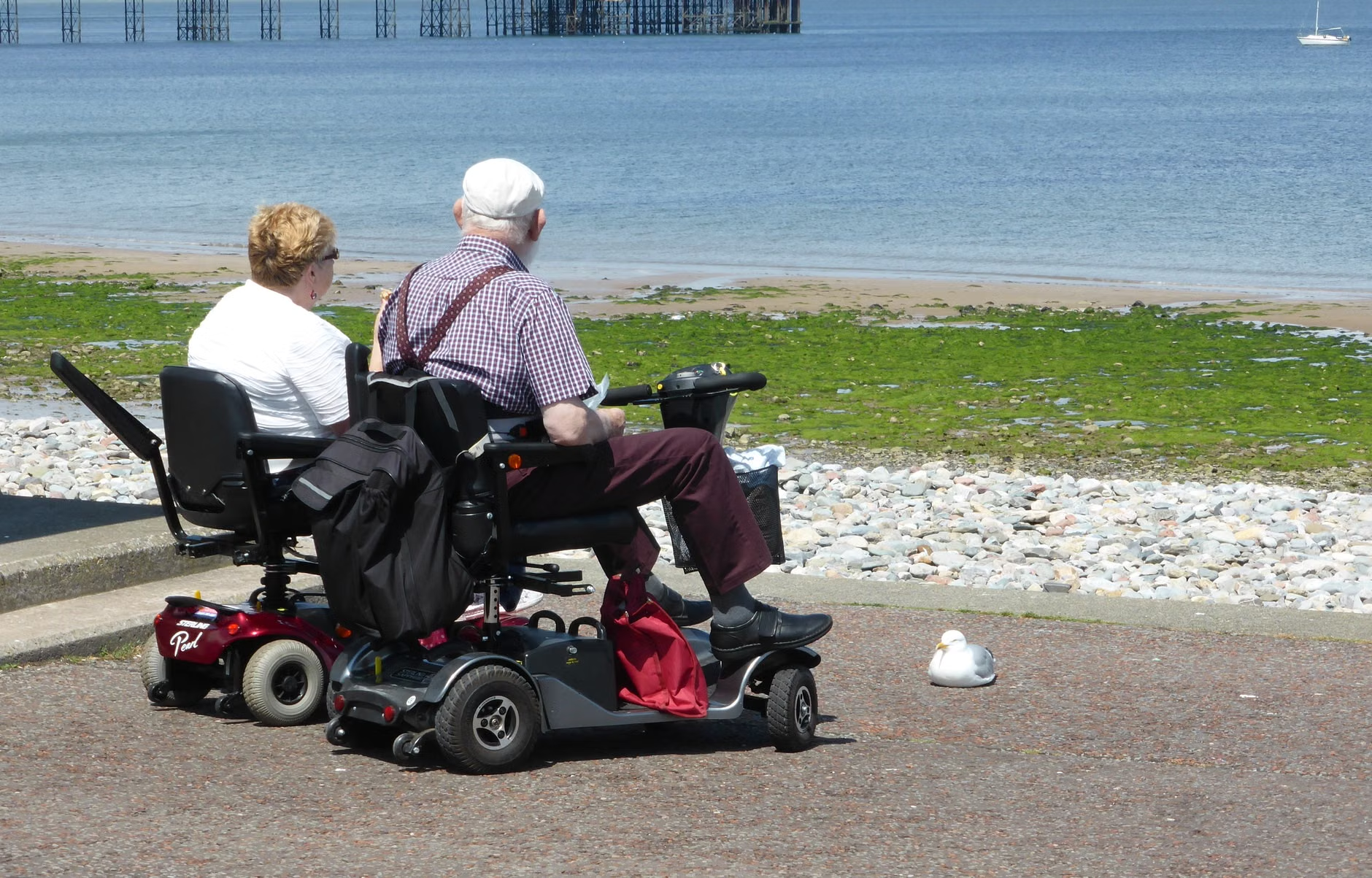
The most common mistake seniors make when visiting a beautiful riverfront is attempting to see the entire length of the path in one day. Instead, practice “segmented exploration.” Visit one section of the river in the morning, return to the hotel for a mid-day rest, and perhaps enjoy a short, low-energy walk in the evening. This prevents the “cumulative fatigue” that often leads to falls or health setbacks later in the trip.
Understanding Legal Protections and Standards
Accessibility standards vary significantly by country. In the United States, the Americans with Disabilities Act (ADA) mandates specific architectural standards for hotels, including clear path widths and bathroom layouts. In the European Union, the European Accessibility Act is steadily improving standards across member states. However, in many other parts of the world, “accessible” may simply mean “there is an elevator.”
If you are traveling internationally, research the specific accessibility laws of the destination country. For example, in many parts of Southeast Asia, hotels are very helpful and service-oriented, which can compensate for older building designs that lack modern ramp infrastructure. In such cases, the “human assistance” factor becomes part of your accessibility strategy.
Checklist for Booking
- Direct Communication: Do not book through third-party sites without confirming details with the property directly.
- Visual Evidence: Ask the hotel to email you a photo of the bathroom and the entrance ramp.
- Floor Request: Request a room on a lower floor or specifically near the elevator to reduce transit time within the hotel.
- Transit Check: Verify the distance from the nearest public transport hub to the hotel entrance, not just the “general area.”
Conclusion: Empowerment Through Planning
Selecting a riverfront hotel is an exercise in balancing aesthetic enjoyment with the practicalities of physical comfort. By moving beyond generic marketing labels and asking specific questions about terrain, room layout, and transit proximity, you can ensure your trip is defined by relaxation rather than logistics. Remember that your stamina is a finite resource; choosing a property that minimizes unnecessary exertion allows you to spend your energy where it matters most—enjoying the view.
For more information on planning accessible travel, you may consult the Sage Traveling resources or local government tourism boards, which often provide dedicated accessibility guides for major cities.
Frequently Asked Questions (FAQ)
1. How can I verify the actual steepness of a path near a hotel?
Use Google Maps “Street View” to virtually walk the path from the hotel entrance to the river. If you see a significant slope, look for the “Terrain” layer on the map or check local tourism websites, which sometimes provide elevation profiles for major city promenades.
2. Should I mention my mobility needs during the booking process?
Yes, absolutely. Always mention your specific needs (e.g., “I require a room with a walk-in shower and minimal walking distance to the elevator”) at the time of booking. Follow up with an email to the hotel manager two weeks before your arrival to ensure your requests have been noted in their internal system.
3. What if I arrive and find the room is not as accessible as promised?
Document the discrepancies immediately and ask to speak with the manager on duty. If the hotel cannot provide a room that meets your safety needs, be prepared to have a backup list of two or three alternative hotels in the same area. Having this “contingency list” can alleviate the stress of needing to find new accommodation on short notice.