Key Takeaways:
- The 60/40 Rule: Limit your active sightseeing to 60% of your day, reserving 40% for rest and recovery to prevent physical burnout.
- Accessibility Audits: Never rely on the term “accessible” alone; verify specific metrics like lift dimensions, step counts, and proximity to public transit before booking.
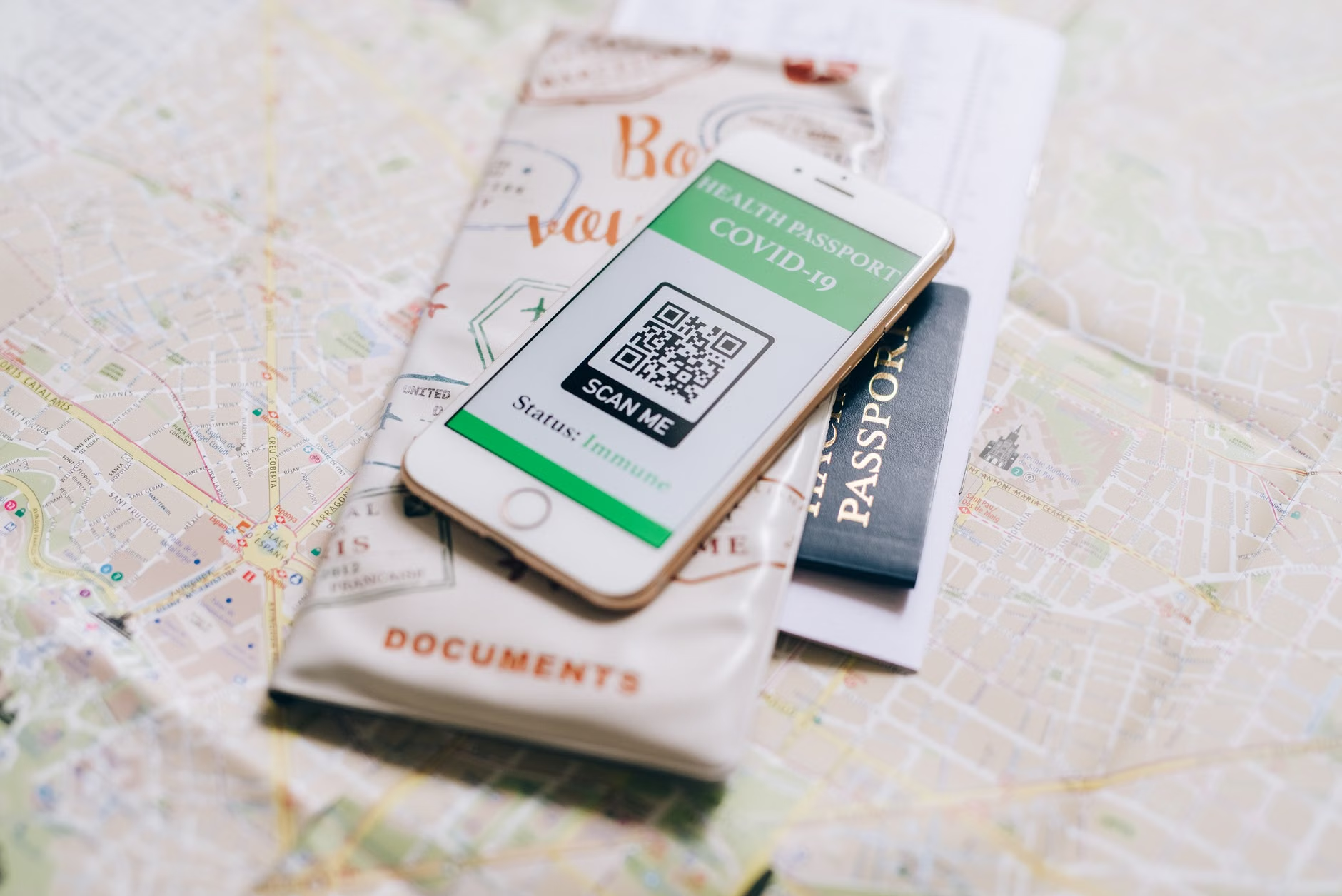
- Medical Preparedness: Always carry a “Travel Health Passport”—a digital and physical file containing your medication list, allergies, and contact details for your primary care physician.
Travel in your 60s, 70s, and beyond is not merely about visiting new places; it is about managing energy, optimizing logistics, and prioritizing comfort without sacrificing the spirit of exploration. As the global landscape of tourism evolves, the “senior traveler” demographic is increasingly recognized as a powerful, discerning group. However, the difference between a trip that leaves you rejuvenated and one that leaves you exhausted often comes down to strategic planning.
The Foundation of Strategic Travel: Energy and Mobility Management
The primary constraint for many senior travelers is not desire, but stamina. Unlike younger travelers who may engage in “marathon sightseeing,” the strategic traveler adopts a pacing model that accounts for the cumulative fatigue of travel.
Implementing the 60/40 Rest Cycle
A common mistake is over-scheduling. If you plan to spend six hours walking through a museum or historic district, you must balance this with four hours of low-intensity activity or rest. This is not about being “slow”; it is about being efficient. By front-loading your most physically demanding activities in the morning when energy levels are typically highest, you ensure that you don’t compromise your health for the sake of an itinerary.
Practical Step: Use the “One Major Attraction” rule. Plan one significant activity per day. Anything else is a bonus. This prevents the “rushed feeling” that leads to accidents and physical strain.
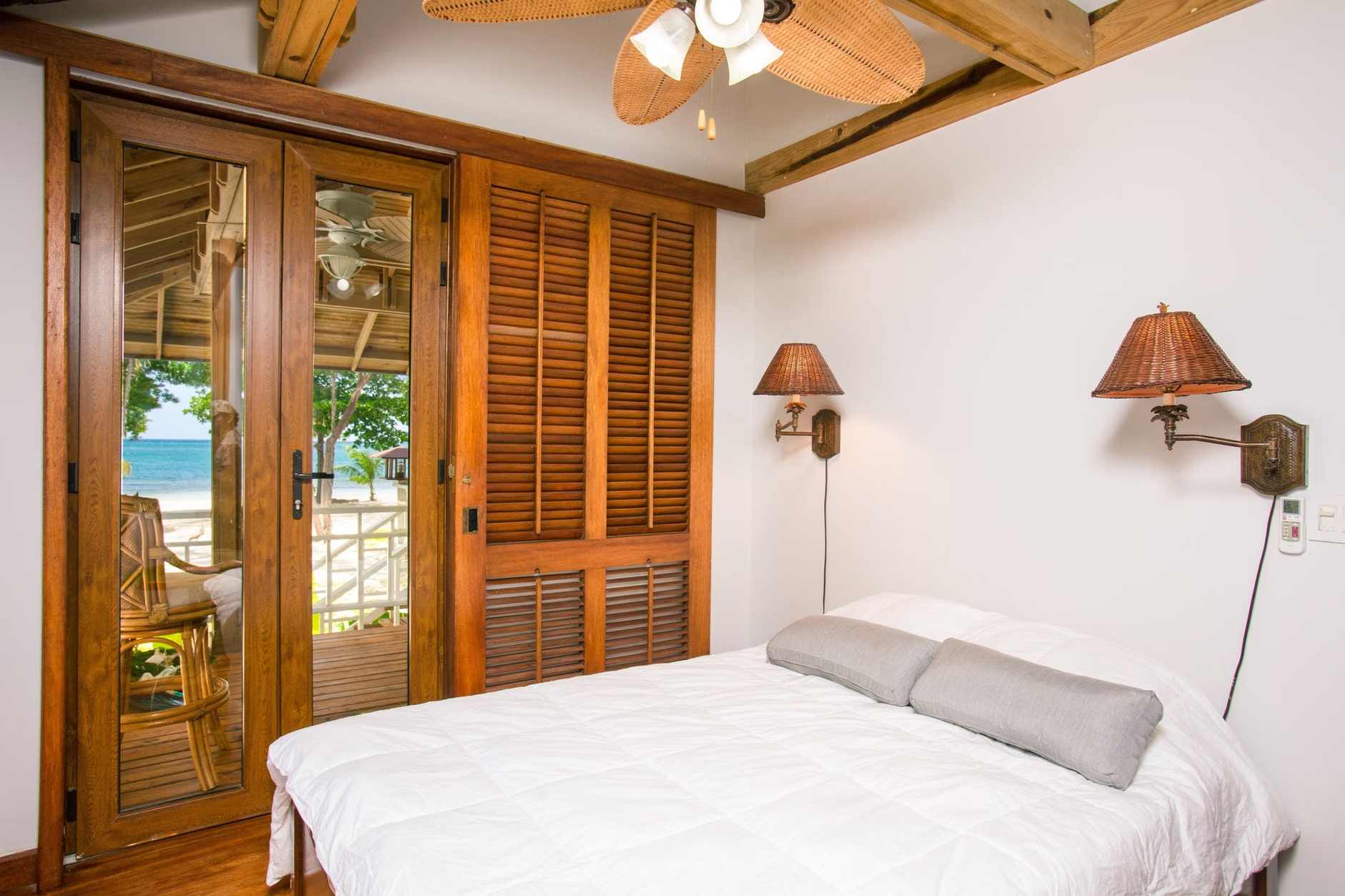
In the travel industry, the term “accessible” is often used loosely. To a hotel, it might mean one ramp; to a traveler using a cane or a walker, it might mean the difference between a successful trip and a nightmare. You must perform your own due diligence.
The Accessibility Verification Checklist
When researching hotels, cruise lines, or guided tours, look for these specific indicators:
- The “Step-Free” Guarantee: Does the entrance have a ramp with a gradient of no more than 1:12?
- Lift Dimensions: If you are traveling with a mobility aid, ensure the elevator is wide enough to turn around in.
- Bathroom Configuration: Look for photos showing grab bars near the toilet and inside the shower. If photos are unavailable, email the concierge directly and ask for a floor plan or specific room photos.
- Transit Proximity: How far is the nearest public transport stop from the hotel entrance, and is the path to that stop paved and level?
Transportation Strategies
Public transport is excellent in many parts of the world, but it can be a source of stress. In major cities, prioritize accessible taxi services or private transfers for the “last mile” of your journey—the distance from the station to your accommodation. The cost is often negligible compared to the physical energy saved by avoiding dragging luggage over cobblestones.
Medical Preparedness: The Traveler’s Health Passport
Preparation is the best form of prevention. Before you leave, you should prepare a document that acts as your primary point of reference in case of an emergency. This should be kept in both a physical folder in your carry-on and a digital format on your phone (backed up to the cloud).
| Document Type | Purpose | Action Required |
|---|---|---|
| Medication List | Ensures continuity of care if you see a doctor abroad. | Include generic names, not just brand names. |
| Allergy Report | Vital for hospital admissions. | List both medication and food allergies. |
| Physician Contact | Allows local doctors to consult with your home team. | Include email and phone numbers. |
| Insurance Policy | Provides proof of coverage for emergency repatriation. | Ensure the number for international claims is noted. |
Why this matters: In an emergency, you may not be able to articulate your medical history clearly. A pre-prepared card in the local language of your destination can be a lifesaver. Use services like The World Health Organization (WHO) travel health resources to check for region-specific requirements.
Budgeting for Comfort and Security
A common misconception is that senior travel must be expensive. In reality, it is about resource allocation. You might choose to stay in a slightly less expensive hotel to afford a private tour guide who can move at your pace, or use budget airlines but pay for priority boarding to ensure you are not rushed through the boarding process.
The Hidden Costs of “Cheap”
When choosing between a cheap train ticket and a slightly more expensive one, consider the “convenience factor.” A train that arrives at 2:00 AM might save you $50, but the physical tax of being awake at that hour and navigating a dark station is not worth the savings. Always prioritize arrival times that align with daylight hours and high-traffic periods where assistance is more readily available.

Deep Dive: Managing Mobility Risks in Historic Destinations
Many travelers dream of Europe’s historic centers. However, cities like Rome, Prague, or Lisbon are famous for their uneven cobblestone streets and steep inclines. These surfaces are significant hazards for those with balance issues or joint discomfort.
Instead of avoiding these cities, change your method of exploration. Consider “hop-on, hop-off” bus tours as a way to get an overview without the physical strain of walking miles. Use these buses as your primary transport between major sites, then reserve your walking for the flat, paved interiors of museums or cafes. This “hub-and-spoke” model—using a central, accessible point to venture out into more difficult terrain—is a highly effective strategy for the modern senior traveler.
The Role of Technology in Modern Travel
Technology is not a barrier; it is a tool for autonomy. Digital maps (like Google Maps or Apple Maps) allow you to check for “wheelchair accessible” routes, even if you are walking with a cane. These routes often avoid stairs and steep hills, providing a much more comfortable path. Furthermore, translation apps can bridge the gap in pharmacies or clinics, ensuring you are understood when explaining your needs.
Common Pitfalls and How to Avoid Them
1. The “Packing Too Much” Trap: If you cannot lift your suitcase into an overhead bin or carry it up a flight of stairs, you have packed too much. Use a four-wheeled spinner suitcase, which reduces the strain on your wrists and shoulders.
2. Ignoring Jet Lag Recovery: Never schedule a full day of sightseeing on the day of your arrival. Your body needs at least 24 hours to recalibrate. Treat your first day as a “settling in” period.
3. Failing to Verify Insurance: Many standard travel insurance policies have exclusions for pre-existing conditions. Always check the fine print or purchase a “cancel for any reason” (CFAR) policy if you have concerns about health-related changes to your travel plans.
Conclusion: A Mindset of Autonomy
Strategic travel is about removing the obstacles that prevent you from enjoying the world. By planning for your physical needs, preparing for medical contingencies, and choosing comfort over the “hustle,” you can maintain your independence and passion for discovery well into your later years. Remember: the goal is not to prove you can do everything; the goal is to enjoy the things you choose to do.
Frequently Asked Questions
Q: Should I bring my own medical equipment, like a walker or cane, or rent it at the destination?
A: It is almost always better to bring your own equipment. Rental equipment may not be adjusted to your specific height or needs, and you may encounter availability issues. If you are worried about airline damage, use a protective travel bag and check with your airline regarding their specific policies for mobility aids, which usually allow them to be checked for free.
Q: How do I handle medication that needs to be refrigerated while traveling?
A: Many modern hotels provide small refrigerators, but if you are in transit, use a high-quality, insulated medical cooler bag with reusable gel packs. Always carry a copy of your prescription, and ensure the medication is in its original packaging to pass through airport security without incident.
Q: Is it worth hiring a private guide if I have mobility issues?
A: In many cases, yes. A private guide can tailor the route to your pace and ensure you avoid stairs or difficult terrain. While more expensive than a group tour, the value lies in the “customization” of the experience, which can be the difference between seeing a destination and truly experiencing it.