- Preventive health is a proactive process of monitoring baseline health markers rather than waiting for symptoms to appear.
- Effective communication with healthcare providers requires organized, written records of your medical history, symptoms, and medications.
- Maintaining mobility and cognitive health is best achieved through consistent, low-impact daily habits that prioritize functional strength and social engagement.
Preventive health for adults aged 60 to 80 is not about stopping time or avoiding every possible ailment. It is about managing your health in a way that preserves your independence, mobility, and quality of life. By shifting from a “reactive” mindset—where you only see a doctor when something feels wrong—to a “proactive” mindset, you can identify small changes before they become significant health hurdles.
The Foundations of Proactive Health Monitoring
Monitoring your own health is the first line of defense. This does not mean becoming obsessed with every minor ache, but rather establishing a “baseline” for what is normal for your body. When you know your baseline, you can identify when something deviates from that norm.
Establishing Your Health Baseline
Your baseline includes your usual blood pressure readings, typical energy levels, sleep patterns, and the consistency of your digestive health. Many adults find it helpful to keep a simple health journal. This is not a diary, but a structured log of objective data.
| Category | What to Track | Why It Matters |
|---|---|---|
| Vital Signs | Blood pressure, resting heart rate | Early detection of cardiovascular strain. |
| Physicality | Daily steps, balance tests | Monitoring for changes in gait or fall risk. |
| Cognition | Word recall, focus duration | Identifying changes in memory or cognitive processing. |
| Nutrition | Hydration, protein intake | Ensuring muscle mass maintenance. |
For example, if you notice that your resting heart rate has consistently increased by 10 beats per minute over two weeks, this is a data point you can bring to your primary care physician. It is a specific, actionable observation rather than a vague complaint of “feeling off.”
The Importance of Regular Screening
Screenings are tests performed when you have no symptoms. They are designed to catch conditions like hypertension, high cholesterol, or early-stage cancers when they are most treatable. Clinical guidelines differ by country, but international standards (such as those from the World Health Organization) generally recommend periodic screening for:
- Blood Pressure: At least annually, or as advised by your local health authority.
- Cholesterol and Blood Glucose: To assess cardiovascular and metabolic risk.
- Cancer Screenings: Including colorectal, breast, and prostate screenings, based on age and family history.
- Bone Density: Particularly for those at risk of osteoporosis.
As you age, your relationship with the healthcare system often becomes more complex. You may see specialists, manage multiple prescriptions, or deal with chronic conditions. Navigating this successfully requires you to act as the “CEO” of your own health team.
Preparing for Medical Appointments
Doctors often have limited time during consultations. To make the most of that time, you must be prepared before you enter the room. A common mistake is relying on memory to relay your symptoms. Instead, bring a “Consultation Summary” document.
Your Consultation Summary should include:
- Current Medications List: Including dosages and the time of day you take them. Mention any over-the-counter supplements, as these can interact with prescription drugs.
- Symptom Timeline: When did the symptom start? Is it constant or intermittent? Does anything make it better or worse?
- Top Three Questions: Limit your list to the most important concerns to ensure they are addressed.
- Recent Changes: Have you had any recent falls, changes in vision, or unexplained weight loss?
Understanding Medication Management
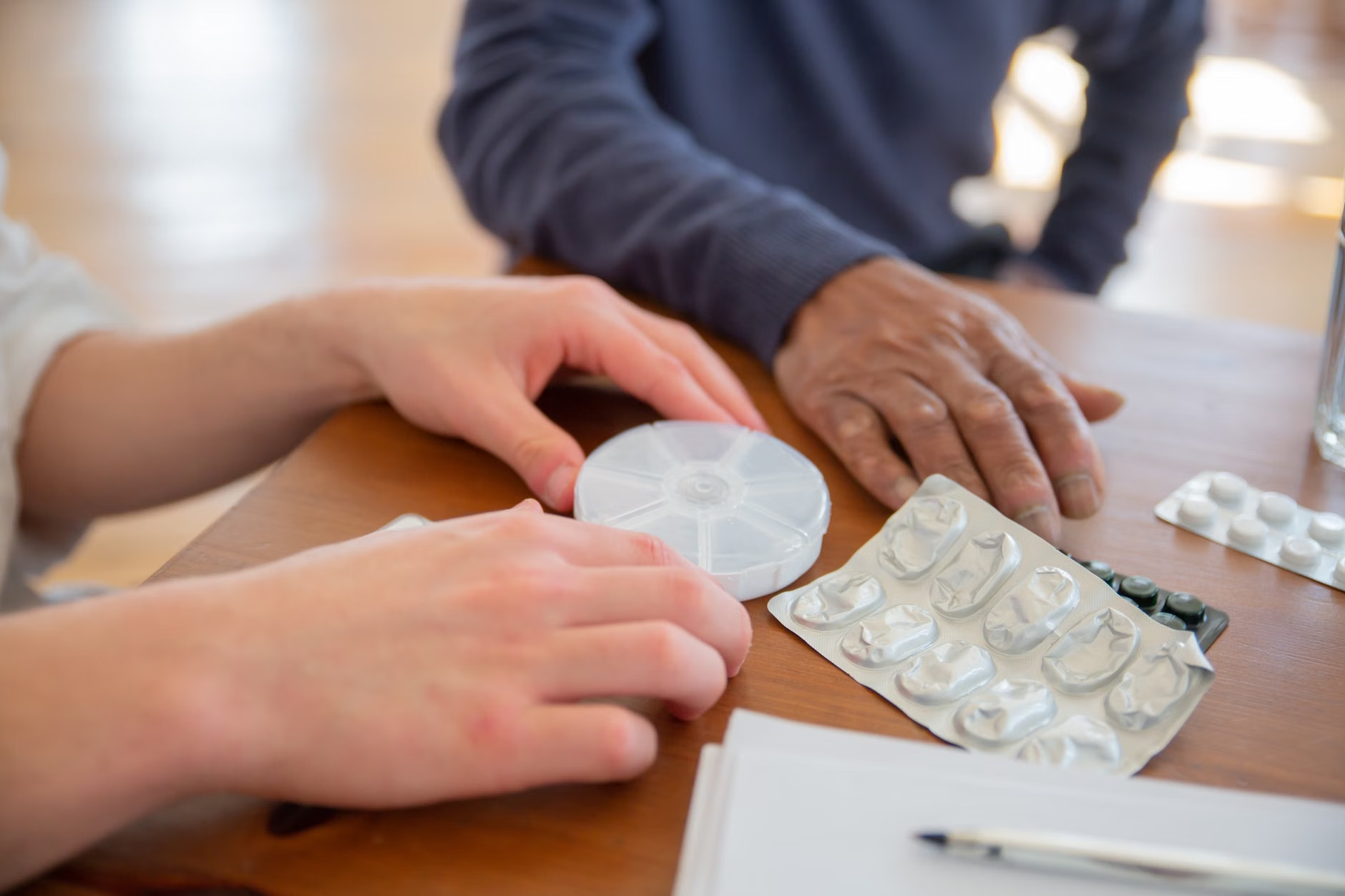
Polypharmacy—the use of multiple medications—is common among older adults. It increases the risk of adverse drug reactions. Always ask your doctor or pharmacist: “Is this medication still necessary?” and “Are there any interactions between my current prescriptions?” Never stop taking a prescribed medication without consulting a professional, as some drugs require a tapering-off period to prevent withdrawal or rebound effects.

Maintaining Mobility and Functional Strength
Mobility is the cornerstone of independence. It is not just about walking; it is about the ability to navigate your environment, perform daily tasks, and engage in hobbies. The primary goal of physical activity in your 60s, 70s, and 80s should be the preservation of functional fitness.
The Role of Strength Training
Sarcopenia, the age-related loss of muscle mass, begins to accelerate after age 60. This is not inevitable, but it requires resistance training to counteract. Strength training does not necessarily mean heavy lifting in a gym. It means challenging your muscles against resistance.
Practical Steps for Functional Strength:
- Sit-to-Stands: Practice sitting down and standing up from a chair without using your hands. This strengthens the quadriceps and glutes, which are essential for walking and climbing stairs.
- Balance Exercises: Practice standing on one leg while holding onto a sturdy counter for safety. Balance is a “use it or lose it” skill.
- Resistance Bands: These are inexpensive, portable, and gentle on joints, making them ideal for home use.
The “Walk Safely” Strategy
Walking is an excellent aerobic exercise, but it must be done with attention to environment. If you are walking outdoors, prioritize footwear with proper arch support and non-slip soles. Be aware of uneven surfaces, which are the primary cause of trips and falls for older adults. If you find your stamina decreasing, use the “stop-and-start” method: walk for 10 minutes, rest for 5, and then continue. This is often more sustainable than trying to walk for 30 minutes straight when you are fatigued.

Cognitive Health and Social Engagement
Cognitive health is deeply linked to your level of social engagement and intellectual stimulation. Isolation is a significant risk factor for cognitive decline. Maintaining social networks provides not only emotional support but also consistent cognitive challenges that occur during conversation and group activities.
Intellectual Stimulation vs. Entertainment
There is a difference between passive entertainment (watching television) and active intellectual stimulation. The latter involves learning new skills, engaging in complex discussions, or managing tasks that require problem-solving. Whether it is learning a new language, mastering a new hobby, or participating in a community board, the goal is to keep your brain “plastic”—meaning it is constantly forming new neural connections.
The Impact of Nutrition and Hydration
Cognitive function is sensitive to dehydration and nutritional deficiencies. As you age, the sensation of thirst often diminishes, meaning you may be dehydrated without realizing it. Aim to drink water throughout the day, rather than waiting until you are thirsty. Regarding nutrition, prioritize whole foods that support cardiovascular health, as what is good for the heart is generally good for the brain.
Addressing Common Misconceptions
Many older adults fall into the trap of believing that certain changes are “just part of aging.” While some physiological changes occur, others are signs of underlying conditions that can be managed.
- Misconception: “Falling is inevitable.” Fact: Falls are usually caused by identifiable factors such as medication side effects, poor lighting, tripping hazards, or weak muscles. All of these are manageable.
- Misconception: “I’m too old to start exercising.” Fact: Muscle tissue responds to stimulus at any age. Even in your 80s, strength training can significantly improve your quality of life.
- Misconception: “I should just accept this pain.” Fact: Chronic pain should be evaluated. While some discomfort may be expected, persistent pain that limits your movement should be investigated by a medical professional to ensure it is not a symptom of something treatable.
Legal and Financial Aspects of Health Planning
Part of preventive health is ensuring that your wishes are respected if you are ever unable to communicate them yourself. This is known as “Advance Care Planning.”
Advance Directives and Health Proxies
In many jurisdictions, you can designate a “Health Care Proxy” or “Power of Attorney for Health Care.” This is a person you trust to make medical decisions on your behalf if you are incapacitated. It is vital to have an open, honest conversation with this person about your values and your preferences regarding end-of-life care. Do not assume your family knows what you want; formalize it in writing according to your local legal requirements.
Digital Public Services and Benefits
Many countries have shifted their health and pension benefits to digital-first systems. Ensure you are familiar with the official government portals in your jurisdiction. Being able to access your records, schedule appointments, or check your benefits online can significantly reduce the administrative burden of managing your health.
Conclusion: The Path Forward
Preventive health is a marathon, not a sprint. It is defined by the small, consistent actions you take every day: tracking your blood pressure, staying active, eating nutrient-dense foods, and staying socially connected. By taking ownership of your health data and maintaining a proactive relationship with your healthcare providers, you are not just adding years to your life, but life to your years. Start by choosing one area—perhaps your medication list or your daily movement—and refine it this week.
Frequently Asked Questions (FAQ)
1. How often should I undergo a general health check-up?
For most adults aged 60–80, an annual physical examination is recommended. However, if you have chronic conditions like diabetes or heart disease, your doctor may recommend more frequent visits. Always follow the specific guidance provided by your healthcare provider based on your unique medical history.
2. What should I do if I feel my doctor is not listening to my concerns?
Clear communication is essential. If you feel unheard, try bringing a written summary of your symptoms and specific questions to your next appointment to ensure they are addressed. If the issue persists, you have the right to seek a second opinion or look for a physician who specializes in geriatric care, as they may be more attuned to the specific needs of older adults.
3. Are supplements recommended for all adults over 60?
No. Supplements should only be taken when there is a diagnosed deficiency or a specific medical need. Taking unnecessary supplements can lead to toxicity or harmful interactions with your prescription medications. Always consult with your doctor or a clinical pharmacist before adding any supplement to your daily routine.
Disclaimer: This article is for informational purposes only and does not constitute medical advice, diagnosis, or treatment. Always seek the advice of your physician or other qualified health provider with any questions you may have regarding a medical condition.
Official resources for further reading:
– World Health Organization: Ageing and Health
– National Institute on Aging (USA)
– NHS Live Well (UK)