Preventive health for adults aged 60 to 80 is not about avoiding aging; it is about maintaining the functional capacity required to live independently and pursue personal interests. By shifting the focus from reactive treatment to proactive maintenance, you can significantly influence your quality of life, mobility, and long-term autonomy.
- Proactive Scheduling: Preventive care is most effective when tied to a structured annual calendar, ensuring screenings and vaccinations are never missed.
- Mobility Maintenance: Maintaining balance and core strength is the primary defense against falls, which are the most significant threat to sustained independence.
- Systemic Navigation: Effective healthcare interaction requires preparation, including maintaining a consolidated medication list and a clear record of symptoms before every appointment.
Defining Preventive Health for the Modern Senior
Preventive health for those in their 60s, 70s, and beyond involves a shift in mindset. It moves away from the “wait until it hurts” approach toward a strategy of data-driven monitoring and lifestyle adjustments. This is not about restricting your life; it is about identifying potential physiological bottlenecks before they become urgent medical events.
In practice, this means distinguishing between essential screenings (like blood pressure monitoring or cancer screenings) and lifestyle habits (like nutrition, sleep, and physical activity). Understanding the difference allows you to prioritize your time and energy on actions that yield the highest return for your health span—the number of years you spend in good health.

The Annual Health Architecture: Organizing Your Care
The biggest hurdle to preventive care is often not a lack of access, but a lack of organization. When you reach your 60s, the number of specialists, screenings, and potential prescriptions can increase. Without a system, it is easy to lose track of what needs to be done.
Creating a Personal Health Dashboard
A “Health Dashboard” is a simplified, centralized record of your health status. You do not need complex software; a physical binder or a simple digital spreadsheet is sufficient. Your dashboard should include:
- Vaccination Logs: Dates for flu, pneumonia, shingles, and COVID-19 boosters.
- Screening Timelines: When your last colonoscopy, bone density scan, or cardiovascular checkup occurred.
- Medication Registry: A list of current medications, dosages, and the specific reason for each.
Why this matters: When you visit a new specialist or enter an emergency room, you are often the only person who has the full picture of your health. Providing a clear, written list prevents medication errors and ensures that the clinician has the necessary context to make safe decisions.
Mobility: The Foundation of Independence
Mobility—the ability to move freely and safely—is the single most important factor in aging well. Mobility is not just about walking; it is about balance, gait speed, and joint health. When mobility declines, the risk of falls increases, and the secondary effects of reduced activity (such as muscle atrophy and cardiovascular decline) begin to compound.
Assessing Your Current Mobility
A simple way to check your mobility is to monitor your “functional speed.” Can you stand up from a chair without using your hands? Can you walk a block without needing to stop for breath or rest? If you find yourself avoiding stairs or feeling unsteady on uneven ground, these are not “normal” signs of aging; they are signals that you need to engage in targeted physical activity.
Practical Exercises for Everyday Stability
You do not need a gym membership to maintain mobility. Focus on these three areas:
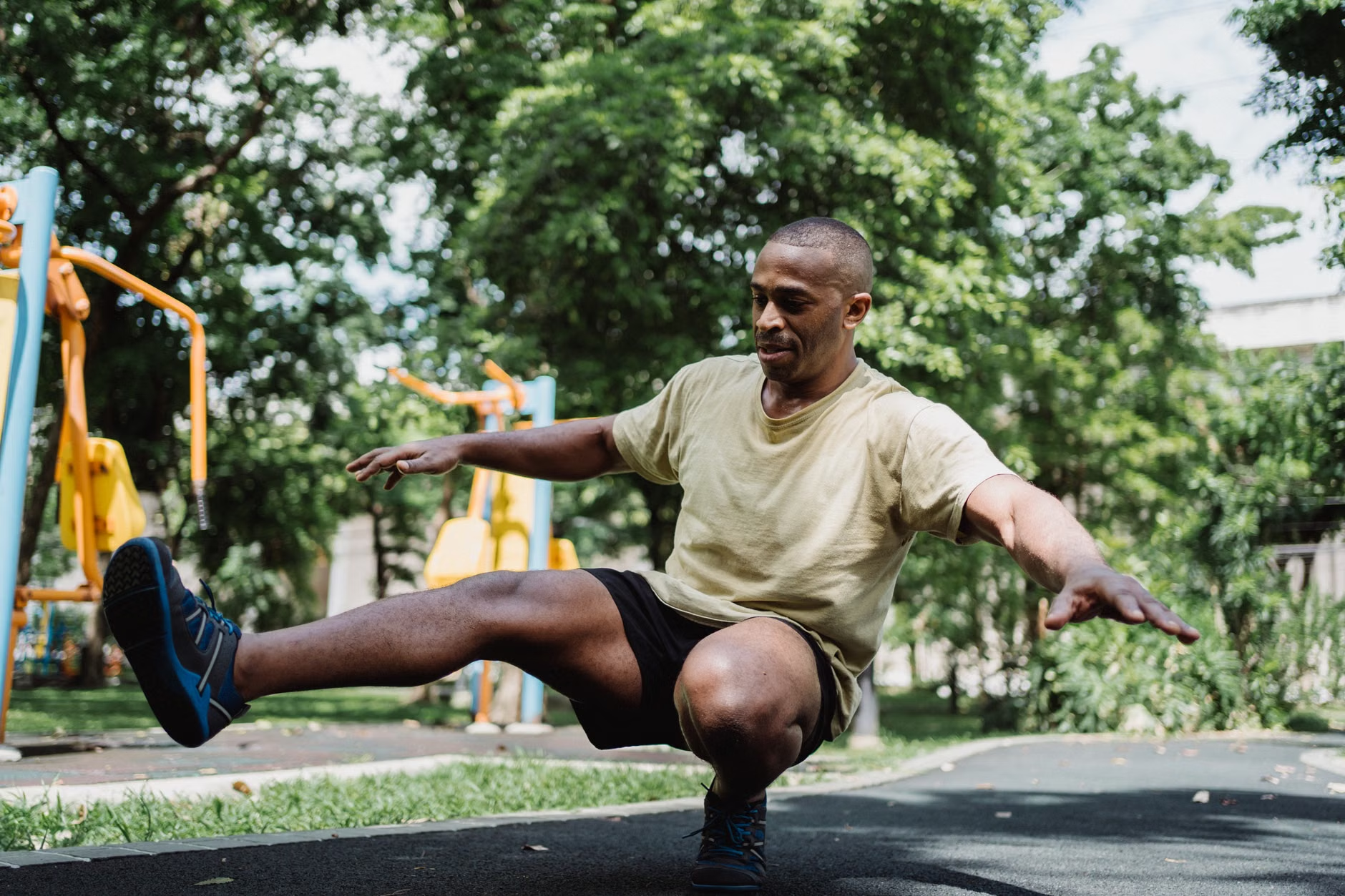
- Balance: Practice standing on one leg while brushing your teeth (holding onto the counter for safety). This strengthens the stabilizing muscles in your ankles and hips.
- Core Strength: Simple seated leg lifts or pelvic tilts help maintain the abdominal strength needed to keep your spine upright during walking.
- Flexibility: Consistent stretching of the calves and hamstrings prevents the “stiffening” that leads to shorter, more unstable strides.
| Activity Type | Goal | Frequency |
|---|---|---|
| Weight-bearing exercise | Bone density | 3x per week |
| Balance training | Fall prevention | Daily |
| Stretching | Range of motion | Daily |
Home Safety: The Unseen Preventive Measure
Many falls occur in the home, often in places where we feel the most comfortable. Preventive health includes auditing your living space. Consider the following “Safety Audit” for your home:
- Lighting: Are hallways and stairwells well-lit? Use motion-sensor night lights to prevent fumbling for switches in the dark.
- Floor Clearance: Remove throw rugs, which are leading causes of trips. Clear electrical cords from walkways.
- Bathroom Accessibility: Install grab bars in the shower and near the toilet. These are not signs of frailty; they are tools for safety that allow you to maintain independence for years longer.

When you visit a doctor, the quality of the interaction depends heavily on how you prepare. Doctors are often under strict time constraints. To get the most out of your appointment, arrive with a “Problem/Question List.”
The 3-Question Rule
Limit your primary concerns to three main points. If you have more, prioritize the most pressing issues. Use this framework for each concern:
- What is it? Ask the doctor to explain the symptom or condition in plain language.
- What is the evidence? Ask why they are recommending a specific test or medication.
- What is the outcome? Ask what you should expect to feel or notice if the treatment is working.
Common Mistake: Many older adults downplay their symptoms to avoid being a “bother” to their doctor. This is counterproductive. If you are experiencing dizziness, fatigue, or persistent pain, be specific. Instead of saying “I feel tired,” say “I can no longer walk to the mailbox without needing to sit down.” This specific, functional information helps the physician diagnose the issue more accurately.
Nutrition and Hydration: The Fuel for Maintenance
As we age, our metabolism slows, but our need for high-quality nutrients often increases. Preventive nutrition is about nutrient density. Focus on protein, which is essential for preserving muscle mass (sarcopenia prevention), and hydration, which is often overlooked as a cause for confusion, fatigue, and even urinary tract issues.
Insight: Thirst signals diminish with age. Do not wait until you are thirsty to drink. Keep a water bottle visible and track your intake. If you find your energy dipping in the afternoon, it is frequently a sign of mild dehydration rather than a need for more food.
Conclusion: The Path Forward
Preventive health is a process of small, consistent actions. By tracking your health data, maintaining your physical strength, auditing your home for safety, and preparing for medical interactions, you are building a foundation for longevity. You do not need to be perfect; you only need to be intentional.
Start by choosing one area from this guide to address this week—perhaps organizing your medication list or adding a daily balance exercise—and build from there. Your future self will benefit from the consistency you establish today.
Frequently Asked Questions
Q: How often should I have a comprehensive physical exam?
A: For adults aged 60-80, an annual physical is the gold standard. This allows your primary care provider to track trends in your blood pressure, cholesterol, and other biomarkers over time, rather than looking at a single snapshot.
Q: I feel embarrassed to ask for help with mobility tools like canes. Is this necessary?
A: Mobility tools are not symbols of decline; they are instruments of independence. Using a cane or trekking pole on uneven ground can prevent a fall that could lead to a long recovery. They enable you to stay active and mobile for longer, which is the ultimate goal of preventive health.
Q: Where can I find reliable information about screenings for my age?
A: Always consult your national health service or reputable medical associations. For example, in the US, the U.S. Preventive Services Task Force provides evidence-based recommendations on clinical preventive services. In the UK, the NHS provides clear guidance on national screening programs.