- Enhanced Visibility Standards: By 2026, many jurisdictions are shifting toward “Uniformity Ratios” in lighting, which eliminate dark patches that cause tripping hazards.
- Glare Reduction: New standards prioritize “warm-spectrum” lighting (3000K or lower) to reduce glare, which is critical for maintaining depth perception as we age.
- Proactive Assessment: You can assess park safety by checking for consistent, overlapping light pools rather than relying on single, high-intensity spotlights.
Public park lighting is undergoing a significant transformation as we approach 2026. For those of us who enjoy evening walks or social gatherings in local green spaces, these changes are not just about aesthetics; they are fundamental to maintaining independence and preventing falls. As visual acuity and contrast sensitivity naturally change with age, the way public spaces are illuminated becomes a primary factor in our ability to navigate them safely.
This guide explores the evolving standards for public park lighting, what they mean for your daily routine, and how you can identify “senior-friendly” lighting environments in your local community.
The Shift Toward Uniformity and Glare Control
Historically, park lighting was often installed with a focus on “spot lighting”—placing high-intensity lamps at long intervals. While this made an area look bright from a distance, it created a “zebra effect” on the ground: alternating pools of harsh light and deep, impenetrable shadows. This contrast is particularly difficult for the aging eye to process, as it takes time to adjust when moving between light and dark zones.
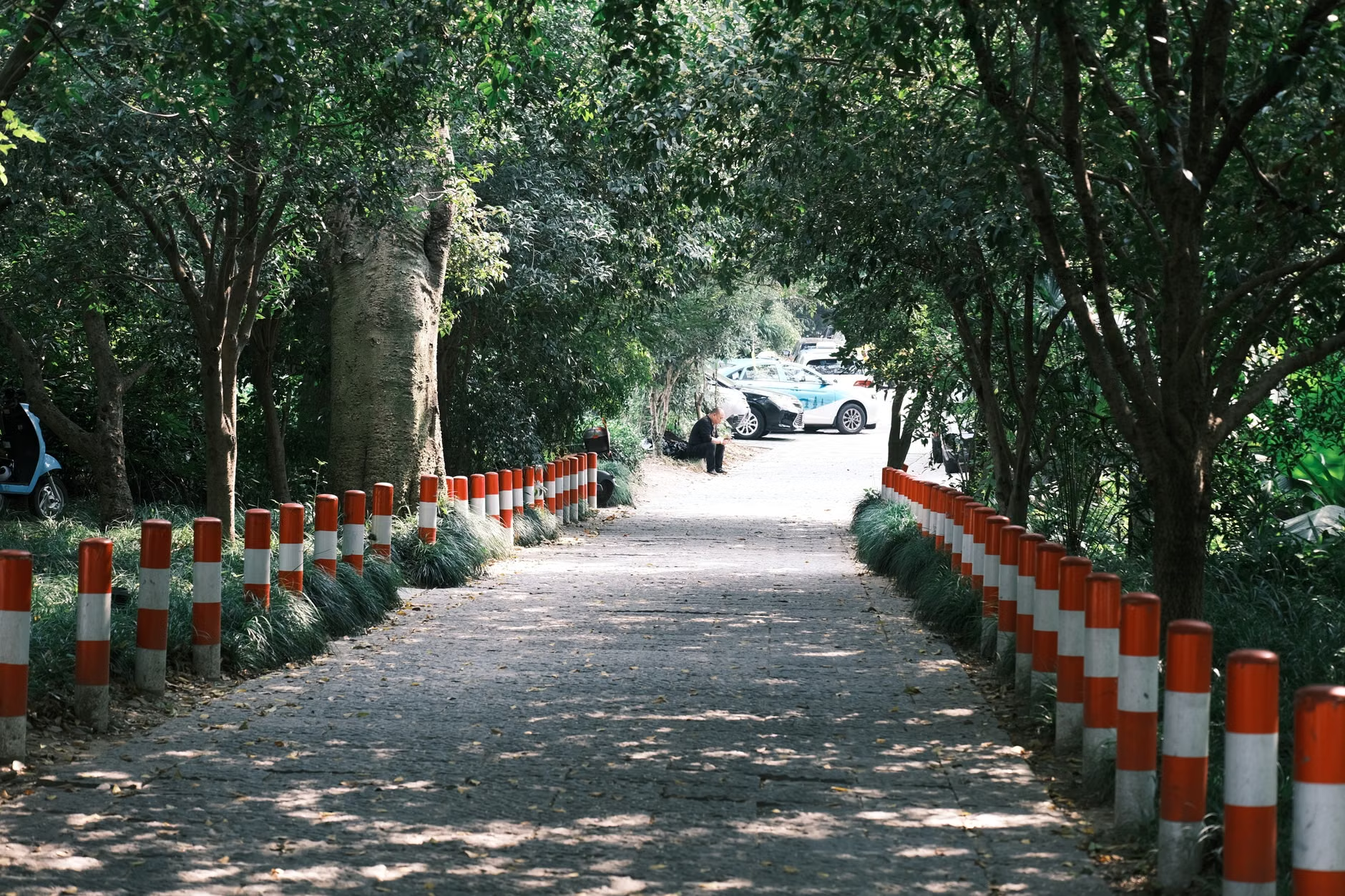
The 2026 standards, influenced by global organizations like the International Commission on Illumination (CIE), focus heavily on Uniformity Ratios. This is a technical term that simply means the light must be spread evenly across the walking surface. Instead of one bright light every 30 meters, the new standard encourages shorter, more frequent, and lower-intensity light sources (such as bollards or lower-mounted post lights).
Why Uniformity Matters for Mobility
When you walk, your brain constantly assesses the terrain. If the ground is unevenly lit, your perception of depth and texture is compromised. This can lead to misjudging the height of a curb or missing a change in pavement material, such as transitioning from concrete to gravel. Uniform light removes these “blind spots,” allowing your eyes to maintain a steady focus without the constant need for rapid retinal adjustment.
The “Warm-Spectrum” Advantage
Another major change is the move toward warmer color temperatures. LED technology, which is now the industry standard, can be incredibly harsh if set to a “cool” or “blue” spectrum (typically 5000K or higher). Research indicates that blue-heavy light can cause significant glare, especially for those with early-stage cataracts or light sensitivity. By 2026, many municipal codes are mandating “warm” lighting—often defined as 2700K to 3000K—which mimics the softer glow of traditional incandescent bulbs while maintaining the energy efficiency of LEDs.
Evaluating Your Local Park: A Practical Checklist
You do not need to be an engineer to assess whether a park is safely lit. When visiting a park during the transition to these new standards, use this checklist to determine if the environment supports your safety needs.
| Feature | What to Look For | Why it Matters |
|---|---|---|
| Shadow Depth | Are there dark gaps between light sources? | Prevents “night blindness” during transitions. |
| Glare Level | Can you look at the light source without squinting? | Reduces eye fatigue and maintains depth perception. |
| Ground Contrast | Is the path surface clearly visible against grass? | Helps define the safe walking boundary. |
| Transition Zones | Are entrances and exits brighter than the rest? | Provides a visual anchor for entering and leaving. |
If you notice a local park consistently fails these checks, it is often a matter of maintenance rather than just design. In many jurisdictions, reporting “poorly lit areas” through a municipal 311 service or a local parks department website can lead to a site audit. When making a report, be specific: note the exact location, the time of day, and the nature of the hazard (e.g., “the path near the north pond has a 15-foot dark gap between lights”).
The Role of Lighting in Fall Prevention
Falls are the leading cause of injury for adults aged 65 and older. While we often focus on footwear or exercise, environment is a critical, often overlooked variable. In the context of public parks, lighting serves as the first line of defense. By 2026, the integration of Smart Lighting will become more prevalent. These systems use motion sensors to increase light intensity as someone approaches a path and dim it when the area is empty.
While this sounds efficient, it can be a double-edged sword. If the sensor is poorly calibrated, the light may not turn on until you are already in the “dark zone.” If you use a park with motion-sensor lighting, test it during the daylight hours first. Walk the path to see if the lights trigger early enough to illuminate your path 10 to 15 paces ahead. If they do not, consider choosing a route with permanent, consistent lighting.
Lighting standards often assume a “clear” environment, but real-life park conditions vary. Overgrown tree branches are a frequent culprit in “blocking” light that was designed to be uniform. Even with the best 2026 standards in place, the physical environment changes seasonally.
Practical Decision Rule: During autumn and winter months, when foliage drops or lighting is obscured by early sunsets, prioritize routes that are “low-canopy.” Avoid paths that are heavily shaded by dense trees, as these often retain the most shadows even with modern lighting upgrades. Stick to the main, high-traffic arterial paths of the park, which are typically the first to receive lighting upgrades and regular maintenance.
Advocating for Better Standards in Your Community
If you are part of a community group or simply a frequent park user, you have a voice in how these standards are applied. Most city councils hold public consultations when planning infrastructure upgrades. When you see an announcement for a “Park Improvement Plan,” look for the “Lighting Master Plan” section.
Focus your advocacy on these three points:
- Accessibility over Aesthetics: Emphasize that lighting is a safety feature, not a decoration. Decorative “up-lighting” on trees often causes light pollution and glare, which is less helpful than downward-facing path lighting.
- Maintenance Cycles: Ask how often the lighting is cleaned. Dirty lenses can reduce light output by up to 30%, which is a significant loss of visibility.
- Inclusive Design: Request that lighting levels be calculated based on the “aging eye” (which requires more contrast) rather than the “standard 20-year-old eye.”
Understanding Global Variations
It is important to note that lighting standards vary by jurisdiction. In the United Kingdom, the BS 5489-1:2020 code of practice provides specific guidance for road and public space lighting. In the United States, the Illuminating Engineering Society (IES) provides the recommended practices that many municipalities adopt. While the goals are similar, the specific “lux” (a measure of light intensity) levels may differ. Always look for your local city’s “Public Works Department” or “Parks and Recreation” website to find the specific design guidelines for your region.
Conclusion: Taking Control of Your Environment
As we move toward 2026, the emphasis on human-centric, uniform lighting in public spaces is a positive shift for our global community. By understanding that light is not just about “being bright” but about “being consistent,” you can make better decisions about where and when to walk. Remember to prioritize paths with consistent, warm, glare-free light, and do not hesitate to report areas that fail to meet these essential safety criteria. Your ability to enjoy the outdoors is a vital part of your wellbeing, and safe, well-lit infrastructure is your right as a citizen.
Frequently Asked Questions
1. Is LED lighting really better for my eyes than traditional bulbs?
Yes, modern LED lighting is superior because it can be engineered for specific “color temperatures.” While older LEDs were harsh and blue, current standards favor “warm” LEDs (3000K or lower) which provide excellent visibility without the glare that typically accompanies older, high-intensity discharge lamps.
2. Should I carry a flashlight even if the park is lit?
Carrying a small, high-lumen LED flashlight is a sensible safety habit. Even in well-lit parks, a flashlight can help you spot temporary hazards like wet leaves, loose gravel, or puddles that may not be clearly visible under ambient lighting. It also makes you more visible to cyclists or others using the path.
3. How do I report a broken light in a public park?
Most cities have a non-emergency mobile app or a specific “Report a Problem” section on their official municipal website. If you are unsure, call your local parks and recreation office. Provide the nearest intersection or a specific landmark (like a bench number or trail marker) to ensure the maintenance crew can find the faulty light quickly.
Official source references:
- Illuminating Engineering Society (IES) – Standards and Research
- International Commission on Illumination (CIE) – Lighting Guidelines
- UK Government Street Lighting Policy Guidance

Disclaimer: This article is for informational purposes and does not constitute professional advice. Always prioritize your personal safety and comfort when choosing to exercise outdoors, and consult with your healthcare provider if you have specific concerns regarding your vision or mobility.