- Calligraphy acts as a dual-action exercise, combining fine motor coordination with meditative focus to support long-term cognitive health.
- Starting requires minimal investment; prioritizing ergonomic tools and proper lighting is essential to prevent strain and ensure comfort.
- The practice is not about artistic perfection but about the process of rhythmic breathing and intentional movement, which lowers stress levels and improves blood pressure regulation.
Mindful calligraphy is more than an aesthetic pursuit; it is a structured, rhythmic practice that integrates physical dexterity with cognitive discipline. For adults aged 60 to 80, this art form offers a unique intersection of neurological engagement and emotional regulation. Unlike high-intensity activities, calligraphy demands a slow, deliberate pace that encourages the practitioner to remain present, effectively functioning as a form of “moving meditation.”
The Cognitive and Physical Benefits of Mindful Calligraphy
The practice of calligraphy engages multiple regions of the brain simultaneously. When you focus on the formation of a character or a curve, you are activating the motor cortex for hand movement, the visual cortex for spatial awareness, and the prefrontal cortex for planning and error correction. This multifaceted engagement is a proven way to maintain neuroplasticity—the brain’s ability to form new neural connections throughout life.
Fine Motor Skills and Hand Health
As we age, maintaining the dexterity of the small muscles in the hands and fingers is critical for daily tasks like buttoning clothes, cooking, or using digital devices. Calligraphy requires a light yet controlled grip. By practicing consistent, flowing motions, you improve the flexibility of the carpal ligaments and the precision of the intrinsic hand muscles. It is an excellent way to maintain the range of motion in the thumb and fingers, which can help mitigate the stiffness associated with sedentary habits.
Stress Reduction Through Rhythmic Motion
The “mindful” aspect of calligraphy comes from the synchronization of breath and movement. When you coordinate the stroke of the pen with a slow exhale, you activate the parasympathetic nervous system. This physiological response lowers the heart rate and reduces the production of cortisol, the body’s primary stress hormone. A study on the effects of slow-paced artistic expression suggests that even 20 minutes of focused rhythmic activity can significantly decrease feelings of anxiety and improve overall mood stability.
Getting Started: Essential Tools and Ergonomic Setup
One of the most appealing aspects of calligraphy is its low barrier to entry. You do not need a dedicated studio or expensive equipment to begin. However, as an older adult, you must prioritize ergonomics to ensure that your practice remains enjoyable rather than physically taxing.
Selecting the Right Tools
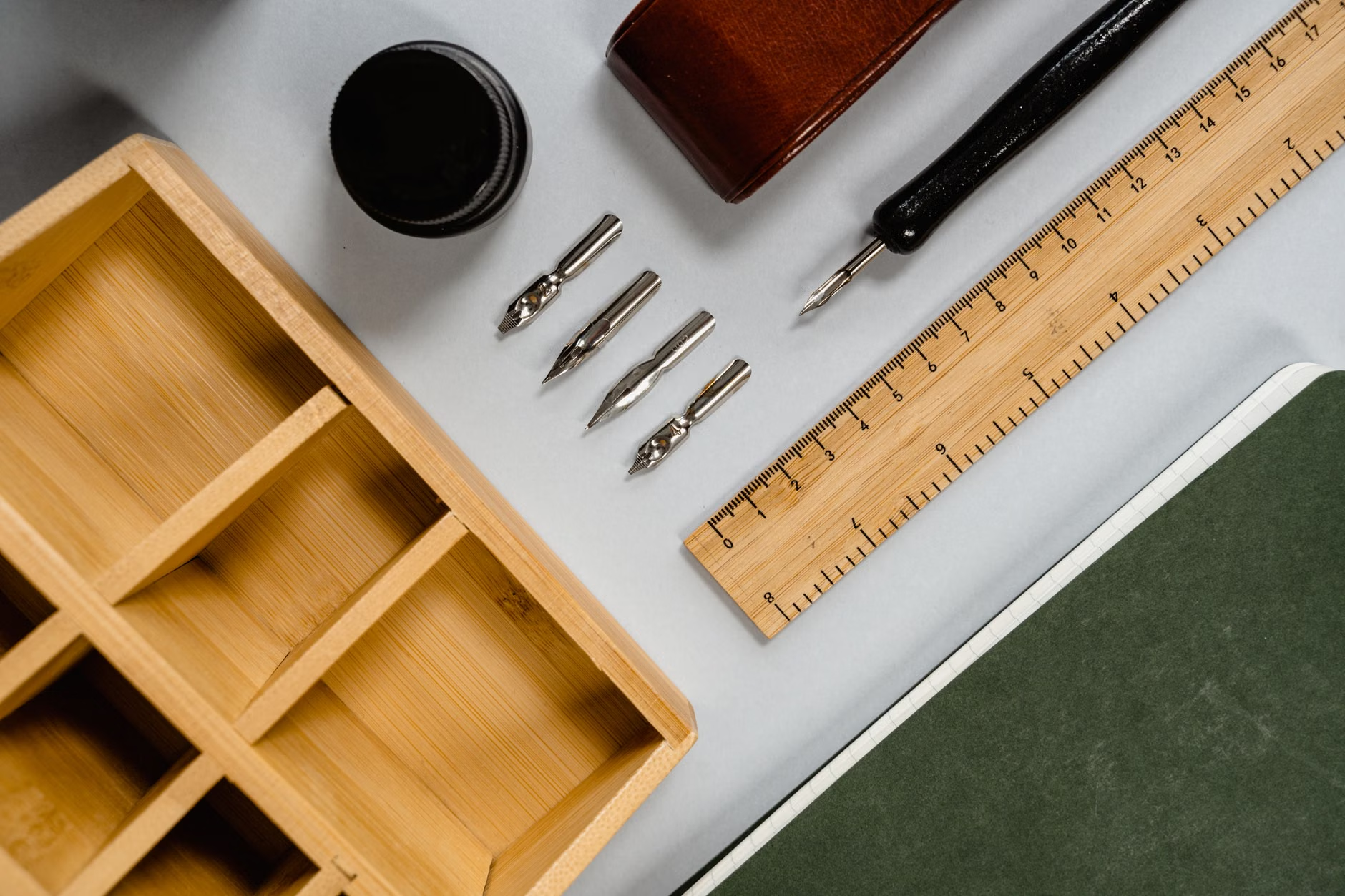
For beginners, the following table outlines the essential tools to get started while considering factors like ease of use and grip comfort.
| Tool | Consideration for Seniors | Recommendation |
|---|---|---|
| Pen Holder | Grip thickness and weight | Choose a thicker, ergonomic holder to reduce strain on knuckles. |
| Nibs | Flexibility and scratchiness | Start with a medium-flex nib to avoid excessive pressure. |
| Paper | Texture and bleed-resistance | Use smooth, high-quality paper to ensure the nib glides easily. |
Common Mistake: Many beginners purchase “fine-point” or “extra-fine” nibs immediately. These require significant pressure control and are prone to catching on paper fibers. Start with a “broad-edge” or “medium” nib, which allows for smoother strokes and requires less muscle fatigue.
Structuring Your Practice for Success and Safety
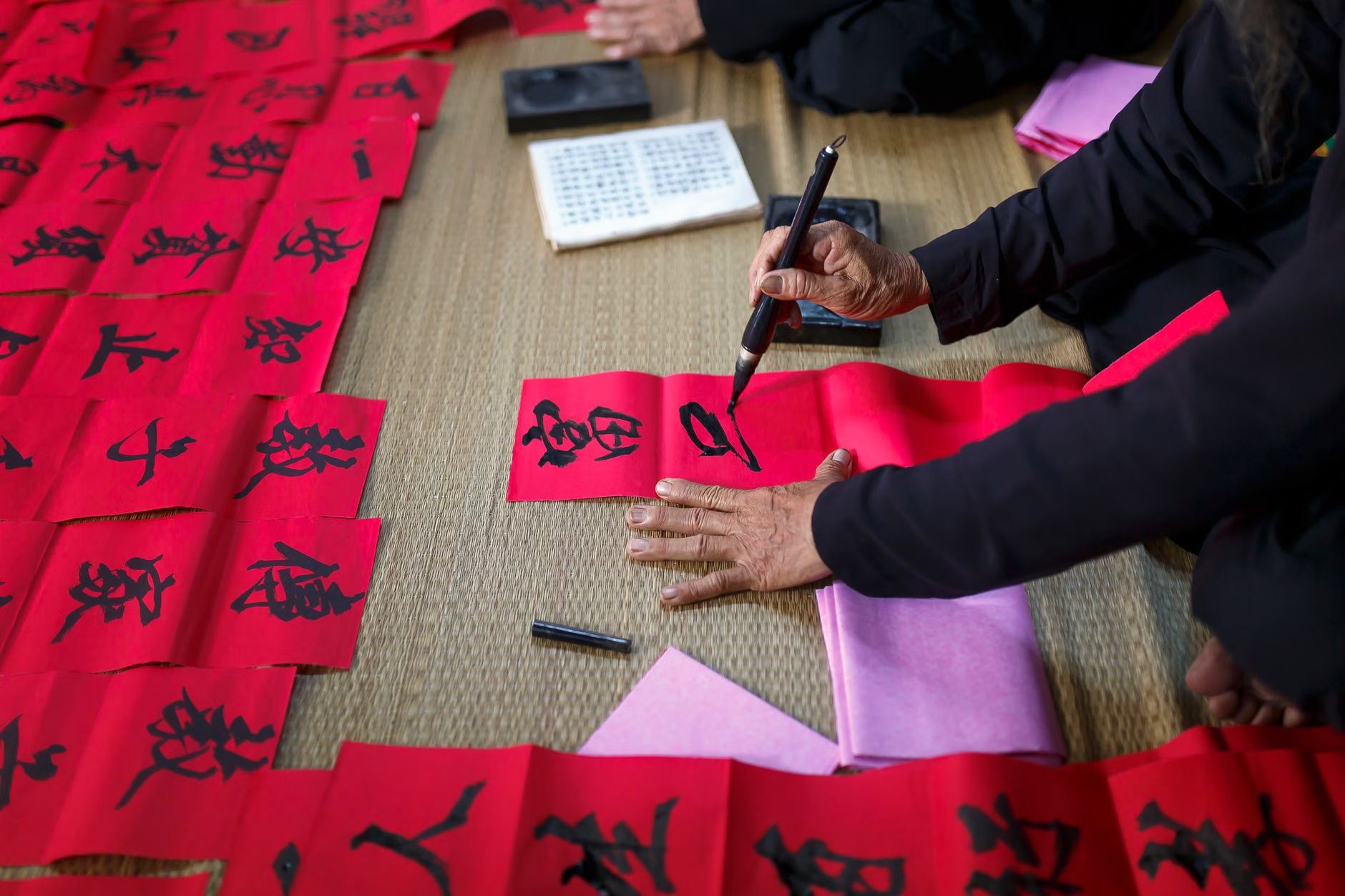
Consistency is more beneficial than intensity. Attempting to practice for hours at a time can lead to hand cramps, eye strain, or neck discomfort. Instead, adopt a “micro-practice” approach.
The 20-Minute Rule
Dedicate 20 minutes to your practice, broken down as follows:
- Minutes 0-5: Preparation and Breathing. Set up your workspace. Ensure your desk is at an appropriate height—your elbows should be at a 90-degree angle when resting on the surface. Focus on deep, belly-centered breaths.
- Minutes 5-15: The Stroke Phase. Focus on basic lines and curves rather than complex letters. This reduces the mental load and allows you to focus solely on the sensation of the pen moving across the paper.
- Minutes 15-20: Review and Cleanup. Look at your work without judgment. Clean your nibs immediately to prevent ink buildup, which can make the metal brittle or clogged.
Preventing Physical Strain
If you experience pain in your wrist or thumb, stop immediately. This is often a sign of “choking” the pen—holding it too tightly. A helpful trick is to occasionally place the pen down and shake your hands out, or perform gentle wrist circles. Ensure your lighting is bright and directed from the side opposite your writing hand to avoid shadows that force you to lean in, which can strain your neck and upper back.
Advanced Considerations: Beyond the Basics
Once you are comfortable with basic strokes, you might be tempted to move toward more intricate styles like Copperplate or Gothic script. While these are rewarding, be mindful of the “stamina threshold.” Intricate scripts require more sustained concentration and precision. If you find your hand shaking or your focus wavering, it is a sign to revert to simpler, more fluid movements. Mindfulness is about listening to your body’s limits, not pushing past them for the sake of completion.

Integrating Mindfulness into Daily Life
The skills learned in calligraphy—patience, steady breathing, and focused attention—can be applied to other areas of life. Many practitioners find that after a session of calligraphy, they approach other tasks, such as reading or household chores, with a more grounded perspective. The intentionality required to craft a single letter naturally spills over into a more intentional way of living.
If you have concerns about existing hand conditions such as osteoarthritis, consult with an occupational therapist before beginning. They can provide specific exercises to warm up your joints and suggest adaptive pen holders that accommodate your specific needs. You can find resources and local groups through organizations like the International Association of Master Penmen, Engrossers and Teachers of Handwriting (IAMPETH), which offers online tutorials and community support for enthusiasts of all skill levels.
Conclusion: The Path to Lifelong Learning
Calligraphy is a journey of self-discovery that rewards patience and practice. By focusing on the physical sensations of movement and the mental clarity of the present moment, you turn a hobby into a vital tool for cognitive and emotional health. Start small, listen to your body, and enjoy the beauty of every stroke.
Frequently Asked Questions
- Q: Is calligraphy difficult if I have mild arthritis in my hands?
A: It can be managed with proper tools. Using an ergonomic, thicker pen holder and avoiding long, uninterrupted sessions can minimize discomfort. Always consult your doctor or an occupational therapist if you experience persistent pain. - Q: How much space do I need to set up a practice area?
A: A small, well-lit desk or a sturdy dining table is sufficient. The most important factor is the height of the surface, which should allow you to sit with a straight back and relaxed shoulders. - Q: Do I need to be artistic to start calligraphy?
A: Absolutely not. Calligraphy is a disciplined skill based on specific movements and techniques. It is more akin to learning a craft than creating fine art, and anyone can learn the fundamentals with consistent, gentle practice.
Official Resources for Further Learning:
For more information on the benefits of fine motor activities for seniors, visit the National Institute on Aging. To find local workshops and community resources, check the IAMPETH official website.