- Chess provides a unique combination of pattern recognition, long-term strategic planning, and emotional regulation that helps maintain cognitive flexibility in later life.
- Local chess clubs serve as “third places”—social anchors outside of home and work—that combat isolation through regular, low-pressure social interaction.
- You do not need to be a master player to benefit; the social ritual of the game is just as valuable as the mental exercise itself.
For many adults aged 60 to 80, the search for a meaningful hobby often balances the need for mental stimulation with the desire for genuine social connection. While digital brain-training apps have become popular, they often lack the human element that keeps the mind truly engaged. Local chess clubs represent a hidden, high-impact resource for active aging. They offer a structured, low-cost environment where the complexity of the game meets the necessity of community.
The Cognitive Architecture of Chess for the Mature Mind
Chess is frequently described as a “gym for the brain,” but for the aging adult, it is more accurately a complex system of cognitive maintenance. Unlike rote memorization tasks, chess requires the simultaneous engagement of multiple brain regions.
Pattern Recognition and Executive Function
When you play chess, you are not just looking at pieces; you are interpreting a visual field of changing possibilities. This activates the prefrontal cortex—the area of the brain responsible for executive functions like decision-making, planning, and impulse control. Research suggests that engaging in intellectually demanding tasks can contribute to “cognitive reserve,” a concept describing the brain’s ability to improvise and find alternative ways to get a job done, even in the face of age-related changes.
The “Flow” State and Stress Reduction
The game demands total focus, which often induces a state of “flow.” In this state, the worries of daily life—such as financial planning, health appointments, or household chores—recede into the background. For seniors, this provides a necessary mental vacation. It is not about winning; it is about the sustained concentration that calms the nervous system and provides a sense of agency that is often lost in more passive forms of entertainment.
The Social Power of the “Third Place”
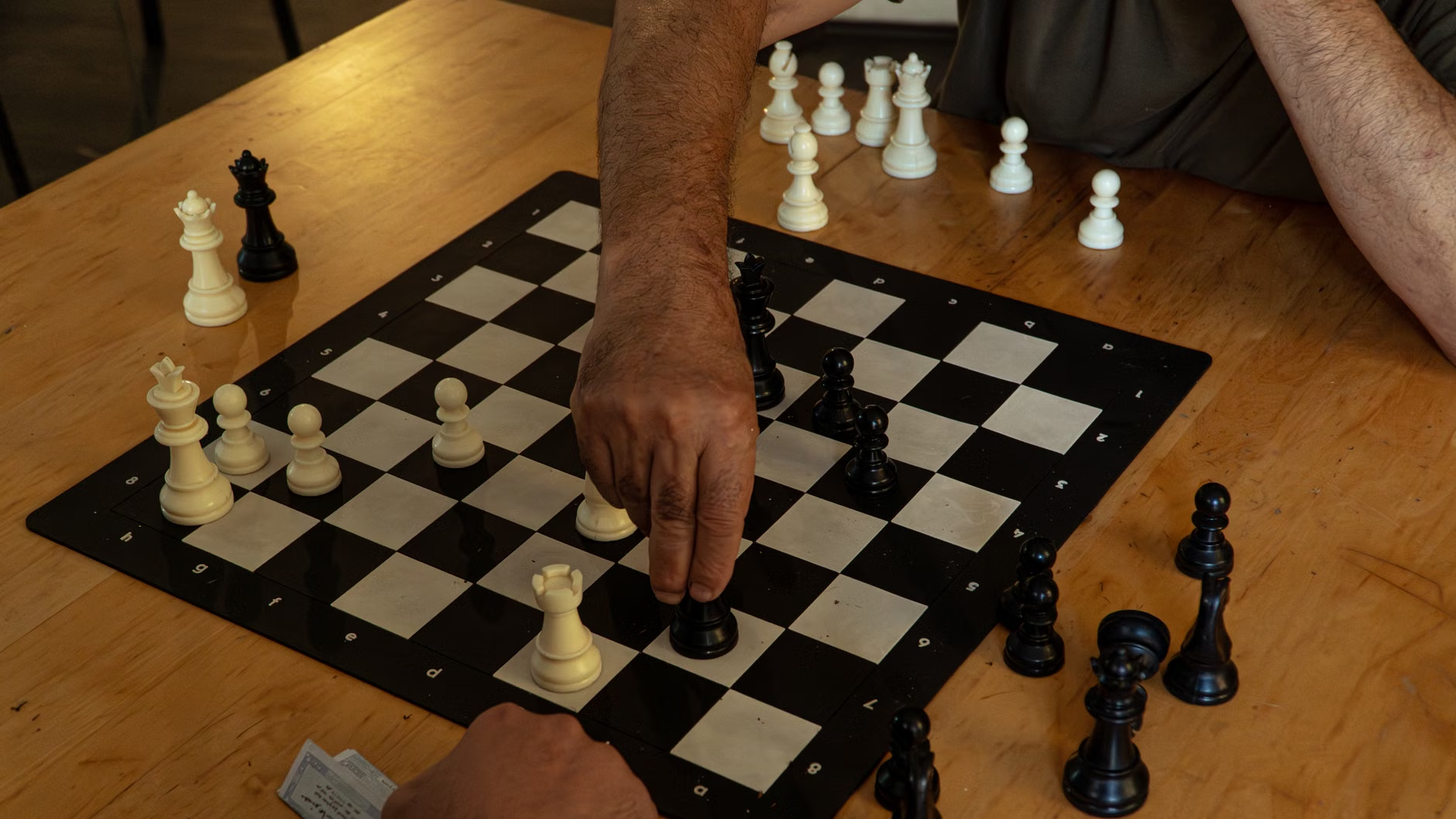
Sociologists often refer to “third places”—environments outside of the home (first place) and the workplace (second place)—as vital to community health. For retirees, the loss of the workplace can leave a void in daily social structure. A local chess club functions as a perfect third place.
Structured Interaction vs. Forced Socializing
Many social activities for seniors feel forced or overly structured. Chess, by contrast, is governed by clear, universal rules. This provides a “social scaffold.” You do not need to initiate deep personal conversations immediately. You sit, you shake hands, you play, and you exchange a few words about the game. This low-pressure environment allows relationships to grow organically over time.
Intergenerational Exchange
Unlike many senior-specific hobby groups, chess clubs are often remarkably intergenerational. Playing against a 20-year-old or a 40-year-old provides a different perspective and keeps one connected to broader social trends. It challenges the “siloing” of age groups and keeps both parties intellectually alert.
| Feature | Digital Chess Apps | Local Chess Clubs |
|---|---|---|
| Social Interaction | Minimal/Text-based | High/In-person |
| Physical Environment | Sedentary at home | Requires travel/movement |
| Cognitive Depth | High | High |
| Commitment | On-demand | Scheduled/Routine |
The table above illustrates a clear distinction: while digital apps provide convenience, local clubs provide the social and physical routines that are often missing in modern, isolated living situations. If you have mobility concerns, digital options are excellent; however, if you are able to travel, the club environment provides significantly higher dividends for your mental and emotional well-being.
How to Find and Evaluate a Local Chess Club
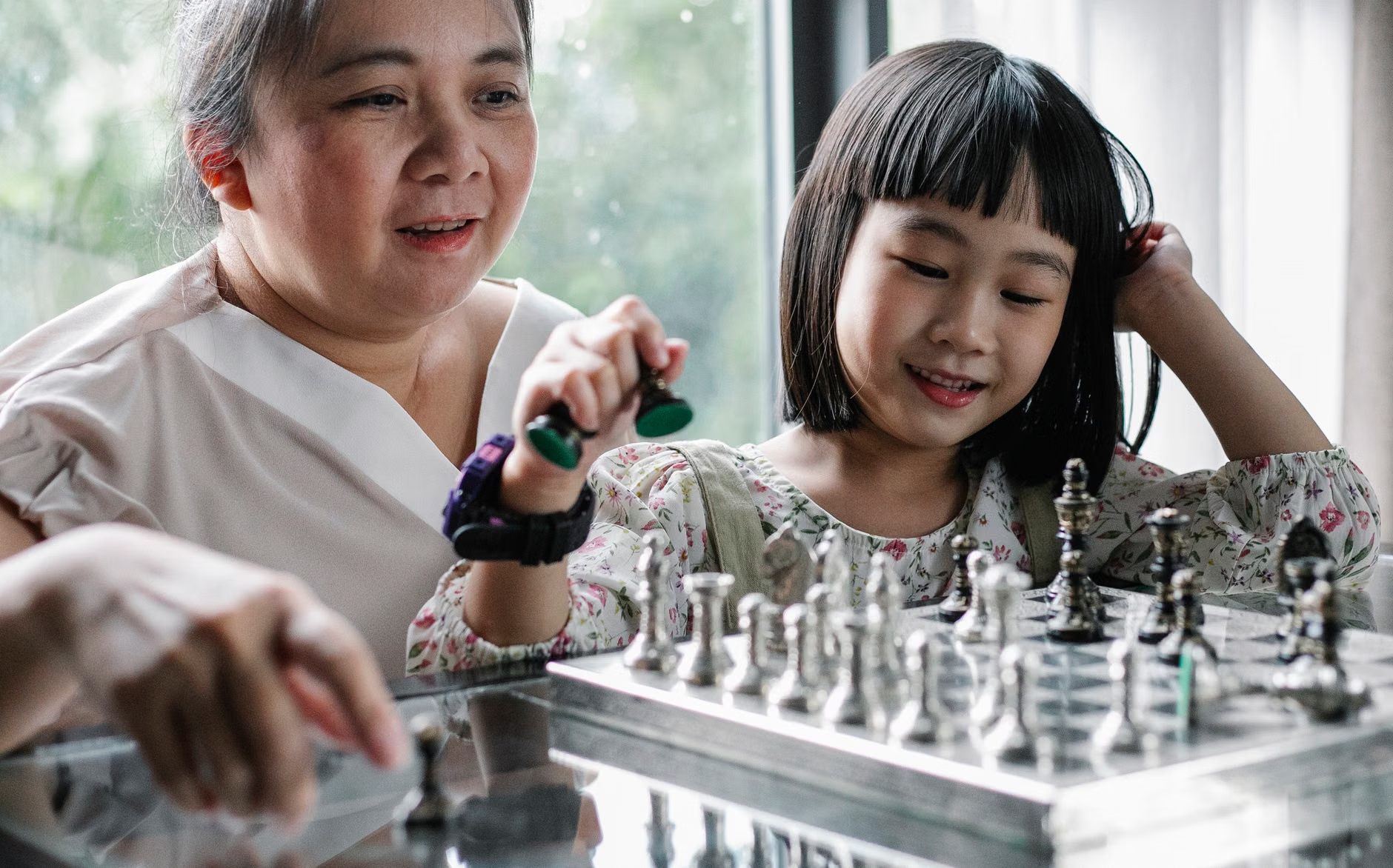
Finding the right club is not just about proximity; it is about finding a group that matches your comfort level and social needs. Not all chess clubs are the same.
Step-by-Step Selection Process
- Check Community Centers and Libraries: Many public libraries and community centers host “Chess for Seniors” or open-play afternoons. These are usually free or low-cost and prioritize social interaction over competitive intensity.
- Look for “Casual Play” vs. “Rated Play”: If you are a beginner or returning to the game after decades, avoid clubs that focus primarily on FIDE (World Chess Federation) rated tournaments. These can be high-pressure. Look for “casual” or “social” groups.
- Assess Accessibility: Before your first visit, check the venue for accessibility. Are there stairs? Is there adequate lighting? Is the seating ergonomic? A 3-hour session on a hard, low chair can be physically taxing.
- The “One-Visit” Rule: Do not commit to a membership immediately. Visit once to observe the culture. Is it quiet and intense, or is it chatty and welcoming? Choose the environment that matches your current energy levels.
Overcoming Common Barriers to Entry
Many adults hesitate to join a club due to perceived barriers. Let’s address these directly.
“I haven’t played in 40 years, I’ll be too slow.”
Most clubs are very welcoming to returning players. The beauty of chess is that the rules have not changed. Your muscle memory will return faster than you think. If you feel rusty, spend two weeks playing against an online engine at the lowest setting just to refamiliarize yourself with the board before attending.
“I’m worried about the time commitment.”
You do not need to attend every session. Many clubs operate on a “drop-in” basis. Treat it like a coffee shop visit—arrive when you can, leave when you feel tired. There is no requirement to play every round.
“What if I lose every game?”
In a good club, the focus is on the “post-game analysis.” Win or lose, players often discuss the moves. This is where the learning happens. Losing a game is merely a data point for how to improve your next move. It is a humble, constructive activity that keeps the ego in check.
The Hidden Inconvenience: Physical Fatigue and Ergonomics
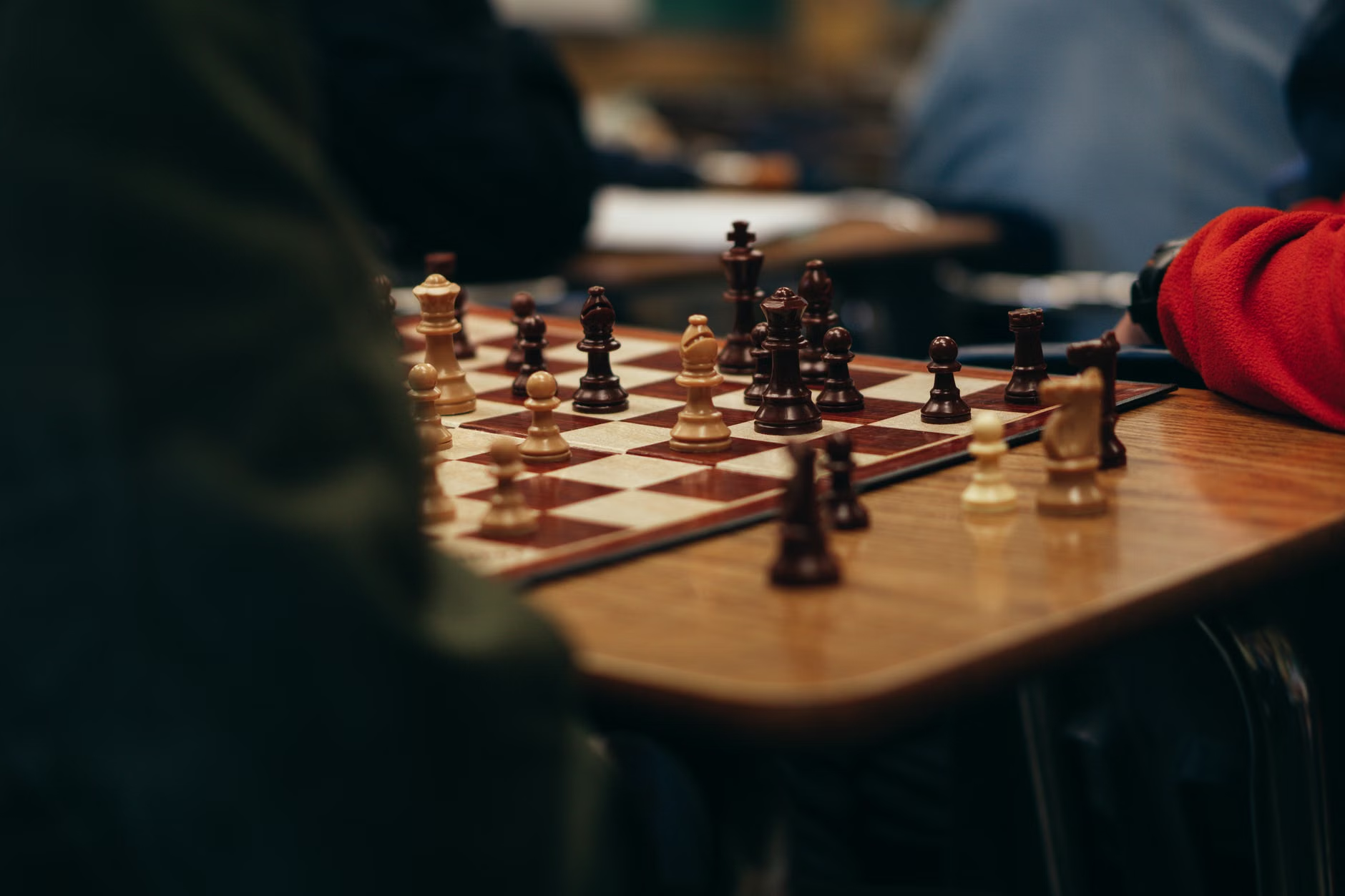
While the mental benefits are clear, we must consider the physical reality of the 60-80 age bracket. Chess is a sedentary activity, but it can be physically tiring if not approached correctly.
- Stamina Management: A tournament game can last hours. If you suffer from back pain or fatigue, opt for “Blitz” or “Rapid” formats, which have shorter time controls. This keeps the game moving and allows for more frequent breaks.
- Eye Strain: Chess boards are high-contrast. If you have macular degeneration or significant dry eye, ensure you play in a well-lit area and take “visual breaks” every 20 minutes by looking at a distant object.
- The “Walk” Factor: If your club is in a large building, consider the distance from the parking lot to the room. Use a cane or walker if necessary, and do not feel embarrassed to do so. A good club is inclusive.
Integrating Chess into a Healthy Lifestyle
Chess should not be your only activity. It is most effective when paired with physical exercise. Research indicates that the combination of physical activity (which increases blood flow to the brain) and cognitive activity (which uses that blood flow to build neural pathways) is the “gold standard” for healthy aging.
Try this routine: On days you attend your chess club, take a 20-minute brisk walk before leaving the house. This “warms up” your brain, making it more receptive to the complex problem-solving required during the game. This simple habit turns a sedentary hobby into a comprehensive health strategy.
Conclusion: The First Move is Yours
The power of the local chess club lies in its simplicity. It asks for nothing more than your presence and your attention. In an era where digital distractions are constant, the tactile experience of moving a wooden piece and the human experience of sitting across from another person are profound acts of wellness.
If you are looking to sharpen your mind, meet new people, and establish a meaningful routine, look up your local library or community center today. You don’t need to be a grandmaster to reap the rewards; you only need to be curious. The board is set; the rest is up to you.
Frequently Asked Questions
1. Do I need to buy my own chess set to join a club?
No, almost all local clubs provide boards and pieces for public use. You only need to bring yourself. If you prefer to play on your own equipment, you are welcome to bring a travel set, but it is rarely required.
2. Is there a minimum age or skill level required to participate?
Most clubs are open to all ages and skill levels. In fact, many clubs pride themselves on being inclusive. If you are a complete beginner, it is helpful to mention this when you arrive, and most clubs will pair you with a more experienced player who can help you learn the ropes.
3. How much does it cost to join a local chess club?
Many library or community-based clubs are free. Some private clubs may charge a small annual membership fee (usually ranging from $20 to $50) to cover the cost of electricity, heating, and tournament equipment. Always check the club’s website or call ahead to verify their fee structure.
Official resources for finding local chess clubs:
– International Chess Federation (FIDE) – Global Club Directory
– US Chess Federation – Club Finder (Example for US-based readers)
– Check your local municipal government website or public library portal for specific community-sponsored programs in your region.