- Prioritize footwear: Your choice of shoes is the single most important factor for museum stamina and joint health.
- Adopt the “Layering Principle”: Museums have varying climates; dress in layers to avoid carrying heavy outer garments.
- Travel light, travel smart: A minimalist approach reduces physical fatigue and simplifies navigating public transport and security checkpoints.
Minimalist Packing for Cultural Museum Trips: A Guide for Mature Travelers
For many, the allure of a cultural museum trip lies in the quiet contemplation of history, art, and innovation. However, the physical reality of navigating vast gallery spaces can be demanding. Minimalism in packing is not just about aesthetics; it is a strategic approach to preserving your energy and ensuring that the focus remains on the exhibits rather than the weight of your luggage.
This guide provides a comprehensive framework for packing efficiently, focusing on the specific mobility and health needs of travelers aged 60 to 80.
The Philosophy of Minimalist Packing for Cultural Travel
Minimalism in the context of senior travel is defined by the elimination of non-essential items that contribute to physical strain. When you pack less, you gain independence. You spend less time waiting at baggage claim, less time maneuvering bulky bags through narrow transit corridors, and less time worrying about lost items. For the mature traveler, every kilogram saved is an investment in your stamina for the day’s activities.
The goal is to achieve “frictionless travel.” This means your gear should facilitate, not hinder, your movement. If you find yourself constantly adjusting a heavy shoulder bag or struggling to lift a suitcase into an overhead bin, you are losing the energy that should be reserved for your museum visits.
Assessing Your Physical Needs Before Packing
Before you place a single item in your suitcase, conduct a personal mobility audit. Consider the following:
- Walking Distance: How many kilometers can you comfortably walk on a hard museum floor before needing a rest?
- Joint Health: Do you require specific cushioning or support for your knees and ankles?
- Temperature Sensitivity: Do you struggle with the cold air conditioning common in many large museums?
- Digital Accessibility: Are you comfortable using a smartphone for digital tickets and maps, or do you require physical copies?
Strategic Footwear: The Foundation of Museum Stamina
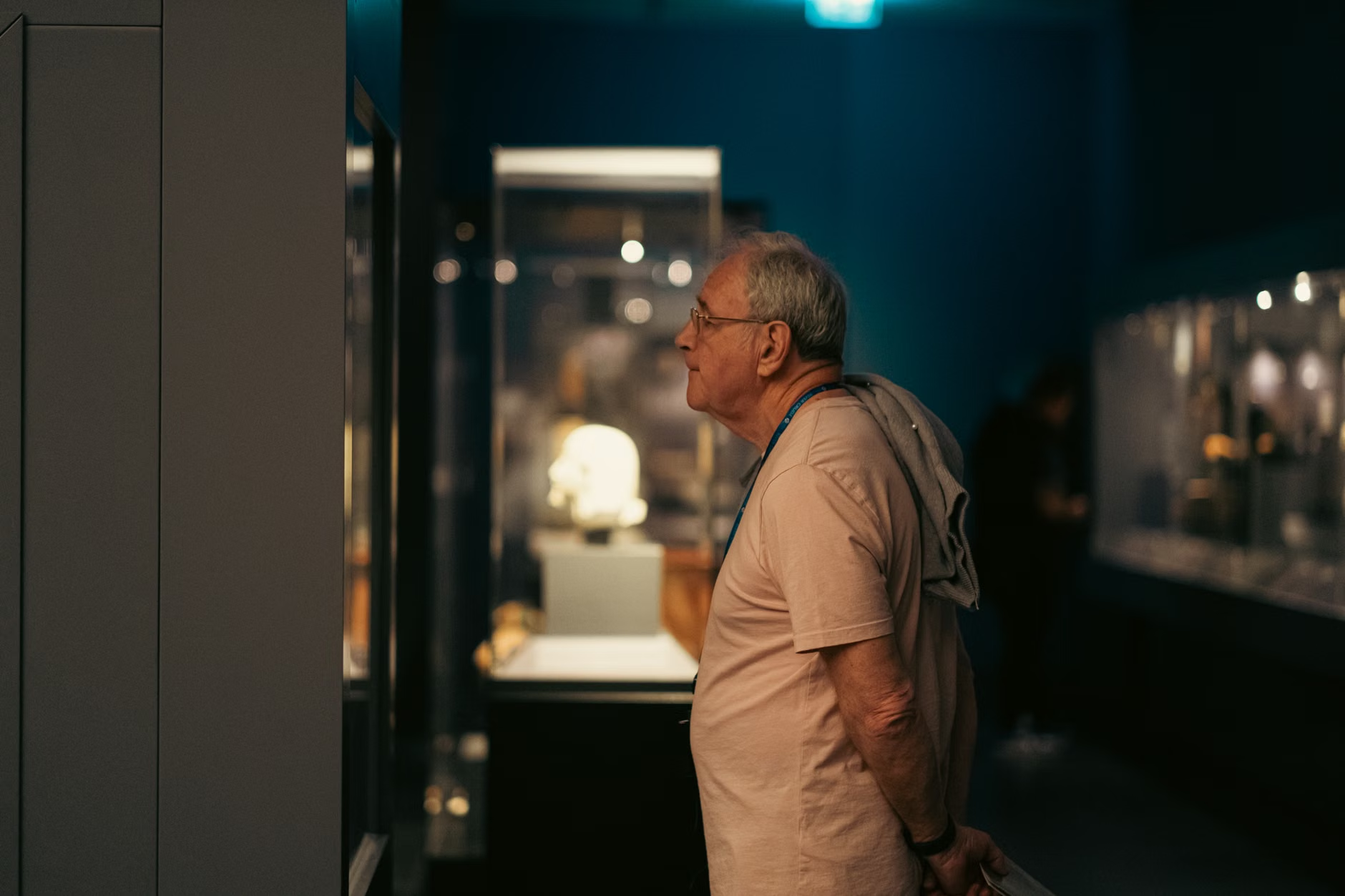
In a museum environment, your feet are your primary mode of transport. Many museums are notorious for their unforgiving marble or concrete floors, which offer zero shock absorption. Selecting the right footwear is the single most important decision you will make.
The “Three-Criteria” Rule for Museum Shoes
When selecting shoes for your trip, evaluate them against these three criteria:
- Cushioning: Look for professional walking shoes with midsole support designed to absorb impact. Avoid fashion sneakers with thin, flat soles.
- Security: Ensure the shoe provides excellent arch support and a secure fit. Slip-ons are convenient, but if they do not provide adequate lateral stability, they can lead to fatigue or falls.
- Breathability: Feet swell during travel and long walks. A breathable mesh or high-quality leather will prevent discomfort throughout the day.
Common Mistake: Many travelers bring brand-new, “clean-looking” shoes for a trip. Never wear new shoes to a museum. Always ensure your footwear is “broken in” over at least two weeks of daily walking before your departure.
Curating Your Minimalist Wardrobe
The secret to minimalist packing is the “Capsule Wardrobe.” Instead of packing for every hypothetical scenario, pack for the specific environment of a museum. Museums are often kept at a constant, cool temperature to protect artifacts, which can feel chilly even in the summer.
The Layering Strategy
Layering allows you to adapt to the environment without the need for bulky coats. A typical museum-ready wardrobe includes:
- Base Layer: A moisture-wicking, breathable t-shirt or blouse.
- Mid Layer: A lightweight cardigan or zip-up sweater. This is your primary tool for temperature control.
- Outer Layer: A versatile, lightweight, and weather-resistant jacket if you are traveling between sites.
Table 1: Packing Efficiency Comparison
| Item | Minimalist Choice | Why it matters |
|---|---|---|
| Outerwear | Lightweight packable shell | Reduces bulk and weight; easy to stow in a small bag. |
| Footwear | Ergonomic walking sneakers | Prevents joint fatigue and reduces fall risks. |
| Bag | Cross-body bag or light backpack | Distributes weight evenly; keeps hands free for railings. |
Managing Health and Mobility Essentials
Minimalism does not mean sacrificing health. It means organizing your health essentials so they are accessible without being overwhelming. If you take daily medications, a compact, labeled pill organizer is essential. Do not carry original, bulky pharmacy bottles if you are only going for a few days.
The “Essential Carry” Checklist
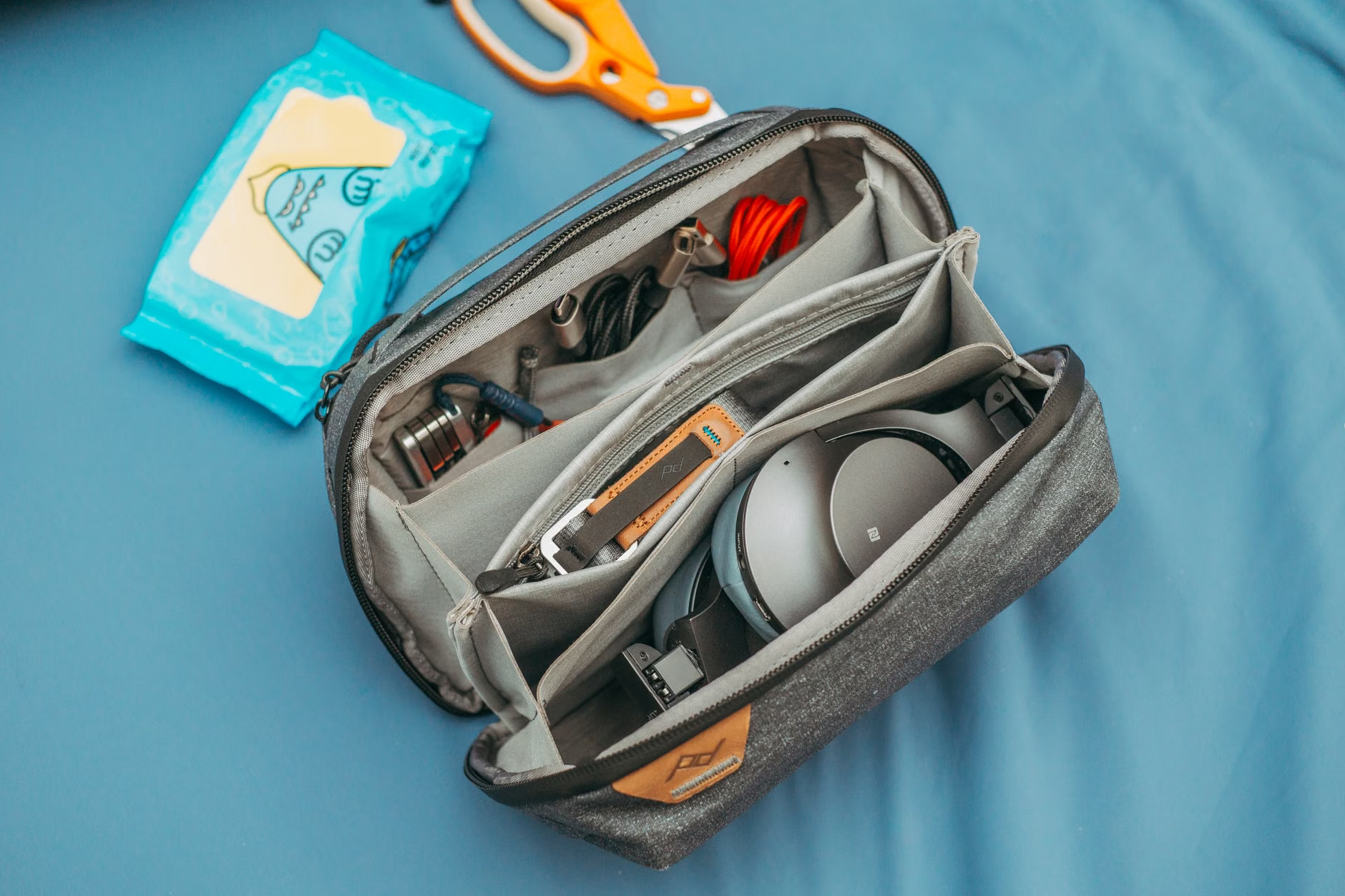
Keep these items in a small, organized pouch that stays with you at all times:
- Current Medication List: A printed copy of your prescriptions and dosage instructions.
- Emergency Contact Info: Clearly labeled in your bag and stored in your phone.
- Hydration: A collapsible, lightweight water bottle. Many museums have water fountains, and staying hydrated is critical for stamina.
- Digital Tools: Your phone, a portable charger (power bank), and a physical backup of your museum tickets.
Modern museums are increasingly accessible, but this does not mean they are effortless. Before your visit, check the museum’s website for specific accessibility information. Look for keywords like “wheelchair rental,” “seating areas,” and “elevator locations.”
Practical Steps for a Successful Visit
- Check the Floor Plan: Most museums offer digital maps. Identify where the elevators and rest areas are located before you arrive.
- The “Bench Rule”: Do not wait until you are exhausted to sit down. Make it a habit to rest on museum benches every 30 to 45 minutes, even if you feel fine. This prevents the “crash” that often occurs toward the end of a long visit.
- Use the Cloakroom: If you are carrying a bag, use the museum’s cloakroom or lockers. Carrying even a light bag for three hours can increase back and shoulder tension.
The Unexpected Variable: Sensory and Cognitive Load
One overlooked aspect of museum travel is “museum fatigue,” which is a combination of physical tiredness and cognitive overload. When we take in too much information, our ability to process and enjoy it diminishes. A minimalist approach to your itinerary is just as important as a minimalist approach to your packing.
Decision Rule: Limit your museum visits to one major venue per day. If the museum is exceptionally large (like the Louvre or the British Museum), choose two or three specific galleries you want to see rather than trying to walk the entire perimeter. Focusing your attention makes the experience more rewarding and less physically taxing.
Safety and Digital Preparedness
In today’s digital landscape, accessibility is often tied to technology. While it is important to be digitally prepared, don’t rely solely on your phone. Batteries drain, and signals can be weak in the basement levels of older buildings.
Digital and Physical Safety Checklist
- Download Offline Maps: Most museum apps or general map apps allow you to download content for offline use.
- Paper Backups: Always keep a printed copy of your itinerary, hotel address, and contact information.
- Secure Your Valuables: Use a cross-body bag with zippers that can be secured. Avoid carrying large amounts of cash; use contactless payment methods where possible.
Conclusion: Refining Your Travel Experience
Minimalist packing for a cultural museum trip is ultimately about prioritizing your capacity to enjoy the experience. By selecting the right footwear, utilizing a capsule wardrobe, and managing your physical energy with deliberate rest, you transform a potentially exhausting day into a deeply enriching one. Remember, the quality of your visit is measured by the insights you gain and the enjoyment you experience, not by how many rooms you manage to walk through.
Start by auditing your current gear. If it’s heavy, bulky, or uncomfortable, look for lighter, more ergonomic alternatives. Your future self—and your feet—will thank you.
Frequently Asked Questions (FAQ)
1. Is it better to use a backpack or a cross-body bag for museum visits?
A cross-body bag is often preferred for museum visits because it is easier to access your items without removing the bag. However, if you have back issues, a small, lightweight backpack with ergonomic straps is better for weight distribution. Ensure your choice is small enough to not be considered a nuisance in crowded galleries.
2. How can I manage the temperature fluctuations in large museums?
The “Layering Principle” is your best defense. Wear a moisture-wicking base layer, a comfortable sweater or cardigan, and a light jacket. This allows you to add or remove layers as you move between different gallery temperatures, ensuring you stay comfortable without carrying heavy, redundant clothing.
3. What should I do if I feel physically tired during a museum visit?
Do not push through the fatigue. Most museums have dedicated seating areas, cafes, or benches in the galleries. Use these spaces to rest for 10–15 minutes. If you are struggling, don’t hesitate to ask staff about the location of the nearest elevator or seating area. It is perfectly acceptable to end your visit early if your energy levels are depleted.
Official resources for travel accessibility can be found through your local tourism board or the specific museum’s website. Always check the official “Accessibility” or “Visitor Information” page of the museum you intend to visit for the most accurate, up-to-date guidance on facilities and services.