- Prioritize Surface Quality: Historic plazas often feature cobblestones; look for “accessibility maps” or satellite views to identify flat, paved thoroughfares before arriving.
- Energy Budgeting: Limit plaza visits to one per day, pairing them with nearby accessible transport to minimize unnecessary walking and preserve stamina.
- Advanced Verification: Do not rely on general “wheelchair accessible” tags; call or email to confirm the presence of accessible restrooms and step-free entrance widths.
Historic plazas are the heart of many cities worldwide, offering a unique window into local culture, architecture, and daily life. For the mature traveler, these spaces are often the most desirable destinations. However, they can also present significant challenges—uneven surfaces, limited seating, and complex layouts. Navigating these environments successfully requires a shift from spontaneous wandering to intentional, evidence-based planning.
The Reality of Historic Terrain: Planning for Mobility
The aesthetic charm of a historic plaza—often defined by centuries-old cobblestones, uneven limestone, or steep inclines—is frequently at odds with modern accessibility requirements. When planning a visit, your primary concern should be the transition from transport to the cafe seating area.
Common Mistake: Many travelers assume that because a cafe is located in a famous, “tourist-friendly” plaza, the path leading to it is paved and level. In reality, historic districts often use aesthetic paving materials that are hazardous for those with mobility aids or balance concerns.
Step-by-Step Assessment Strategy
- Satellite View Analysis: Use digital map tools to switch to satellite mode. Look for “path-like” structures or smoother, grey-toned surfaces that indicate flat paving rather than jagged cobblestone.
- The “Last 100 Meters” Rule: Identify the closest drop-off point for taxis or public transport. If the distance from the drop-off to the cafe is more than 200 meters of uneven ground, reconsider the route or look for a secondary entrance.
- Verification Call: Call the cafe directly during off-peak hours (usually 10:00 AM or 3:00 PM). Ask specifically: “Is the entrance from the plaza level, or is there a step? Does your establishment have a restroom on the ground floor that is accessible?”
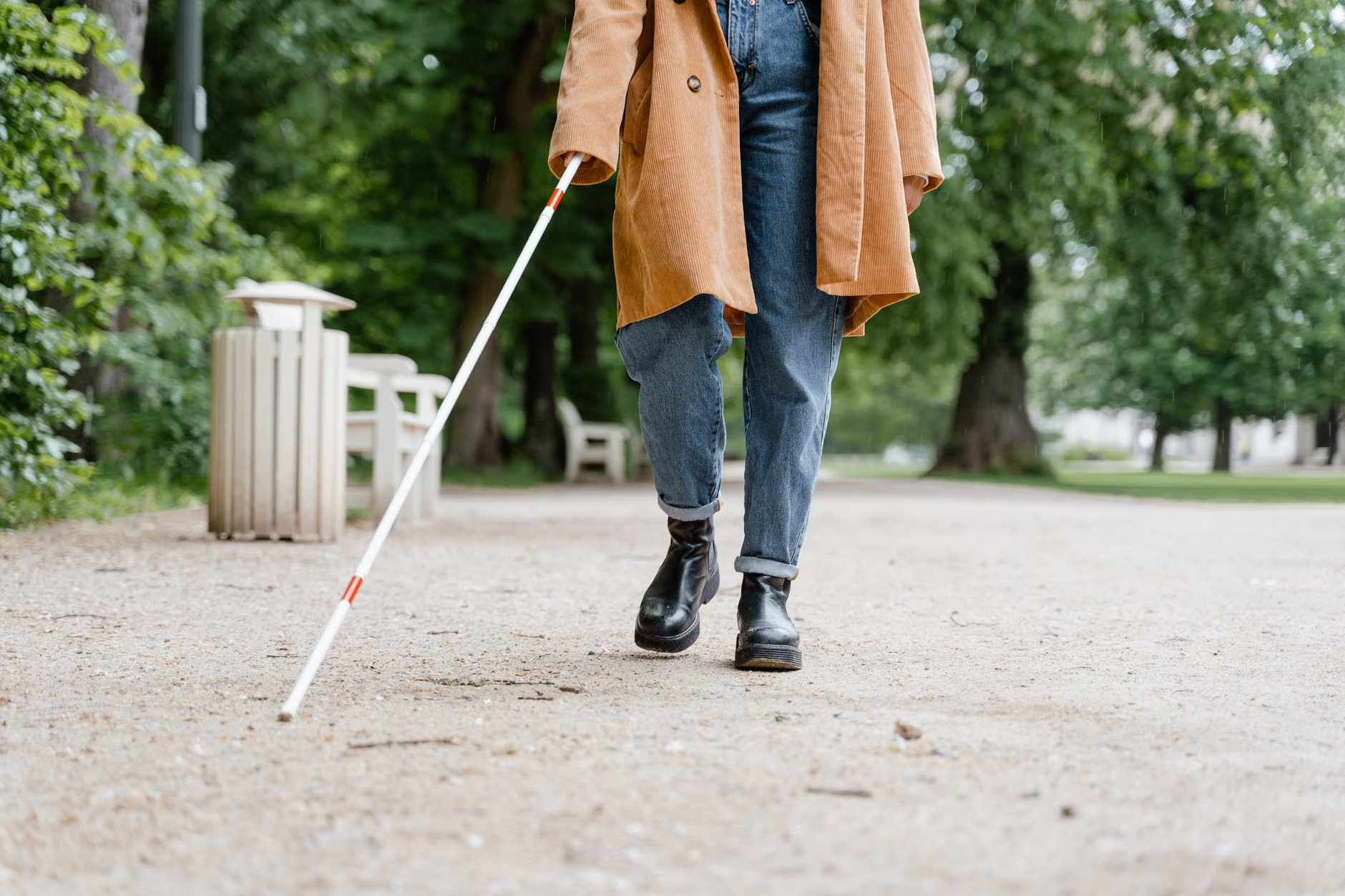
Managing Stamina: The “One Plaza, One Day” Protocol
Stamina management is not about limitation; it is about extending your ability to enjoy the entire duration of your trip. Historic plazas are sensory-rich environments that require higher levels of mental and physical focus, especially when navigating crowds or busy outdoor seating.
A realistic itinerary for a traveler aged 60–80 might look like this:
- Morning (The Peak Window): Arrive at the plaza at 9:30 AM. The air is cooler, crowds are thinner, and the staff is more available to assist with finding the most stable, accessible seat.
- Mid-Session Rest: After 45 minutes, perform a “reset.” This involves standing up, walking a few steps to stretch the hip flexors, or using the restroom while the facilities are still clean and quiet.
- The Exit Strategy: Plan your departure 30 minutes before you feel “tired.” This ensures you have the energy to navigate the walk back to transport safely without the fatigue-induced loss of balance that often occurs at the end of a long day.
Selecting the Right Cafe: Infrastructure vs. Atmosphere
When selecting a cafe, the architectural history of the building is often a predictor of its accessibility. Older, converted buildings may have narrow corridors or basement-level restrooms, while modern renovations in historic shells often prioritize inclusivity.
| Feature | What to Look For | Why it Matters |
|---|---|---|
| Entrance | Flush threshold or permanent ramp | Prevents tripping and accommodates mobility aids. |
| Seating | Chairs with armrests and back support | Provides stability and reduces fatigue during long sessions. |
| Restrooms | Ground-floor, wide-door access | Essential for safety and comfort; avoids stairs. |
| Lighting | Natural or bright, even lighting | Improves depth perception for navigating floor transitions. |
If you have mobility constraints, prioritize establishments with “outdoor-only” seating if the interior is historic and inaccessible. Many cafes in plazas like those in Rome or Prague offer excellent service at outdoor tables that are on the same level as the plaza, effectively bypassing the interior accessibility issues entirely.
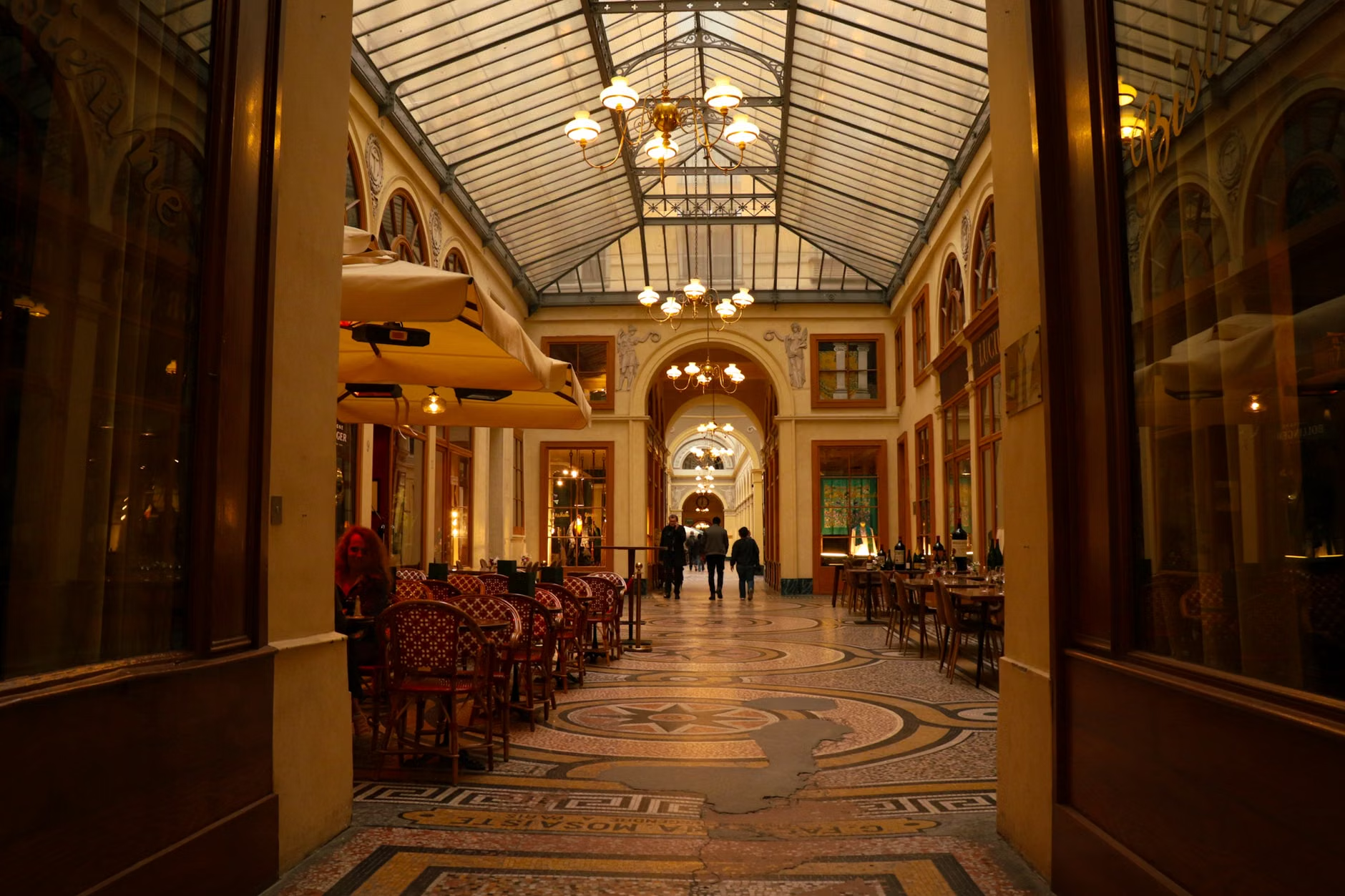
The accessibility of your cafe visit begins long before you arrive. In many global cities, historic centers are “ZTL” (Zona a Traffico Limitato) or pedestrian-only zones. This means your taxi or bus will drop you at the edge of the historic district.
Practical Insight: Do not assume that your hotel concierge’s recommendation for a “nearby” cafe accounts for your mobility needs. Always ask: “Is the walk from the taxi drop-off point to the cafe entrance flat and paved?” If the response is ambiguous, use a map application to measure the incline. An incline of more than 5% can be significantly taxing for those with limited stamina or balance issues.
Essential Gear for the Plaza Experience
Preparation is the difference between a stressful outing and a relaxing one. Your “Plaza Kit” should be lightweight but comprehensive:
- Foldable Cane/Seat: If you are unsure about the availability of seating, a lightweight, foldable cane that doubles as a seat is a prudent investment.
- Digital Accessibility Map: Many cities now offer official “Accessibility Maps” on their tourism websites. Download these offline to your smartphone.
- Hydration and Medication: Keep a small, organized pouch with your daily essentials. Do not keep these in a heavy backpack that affects your center of gravity. A cross-body bag or a small, lightweight daypack is preferable.

The Overlooked Variable: The “Crowd Factor”
A plaza that is accessible at 10:00 AM may become inaccessible by 2:00 PM due to the influx of tourists, street performers, and cafe crowds. The “crowd factor” is not just about space; it is about visibility. When a plaza is crowded, you lose the ability to see low-lying obstacles, such as uneven stone edges or stray table legs.
If you find yourself in a suddenly crowded plaza, the best strategy is to move to the perimeter. The outer edges of plazas usually feature wider, more consistent walkways and are less prone to the “bottleneck” effect of central cafe seating. If the cafe you chose becomes too crowded, do not hesitate to ask the staff for a quieter table or to move to a less congested part of the terrace.
Understanding Local Regulations and Rights
In many jurisdictions, such as those within the European Union (under the European Accessibility Act) or the United States (under the Americans with Disabilities Act), public-facing businesses are required to provide reasonable accommodations. However, “historic building” exemptions often apply, meaning that a cafe in a 500-year-old building may not be legally required to install an elevator or widen a doorway if it compromises the structural integrity of the site.
What this means for you: You cannot always rely on the law to guarantee your physical access. Your best tool is direct communication. By contacting the establishment ahead of time, you are not just checking for access; you are also signaling your arrival, which often prompts staff to reserve the most accessible table for you.
Safety and Emergency Preparedness
When traveling, always identify the nearest point of exit from the plaza. Historic plazas can be confusing, with narrow alleyways leading out in multiple directions. Before you sit down, take a moment to look at the street signs or landmarks. If you are traveling with a companion, agree on a “meeting point” in case you become separated in a crowded environment.
If you carry a medical alert device or have specific health needs, ensure your information is up to date and easily accessible in your bag. While the goal is a relaxing afternoon, being prepared for minor emergencies—such as an unexpected change in weather or a sudden need for a quiet space—allows you to enjoy the atmosphere with peace of mind.
Conclusion: The Art of Intentional Travel
Navigating historic plaza cafes is an exercise in balancing curiosity with self-awareness. By choosing your timing, assessing the terrain, and communicating directly with establishments, you can enjoy these cultural landmarks without compromising your comfort or safety. Remember that the goal is not to visit every historic site, but to enjoy the ones you choose at a pace that honors your stamina and your desire to experience the world.
Start by selecting one plaza for your next outing, apply the “Last 100 Meters” assessment, and enjoy the coffee, the architecture, and the vibrant life of the square. Your travel experience is defined by the quality of your moments, not the quantity of your stops.
Frequently Asked Questions
1. How can I verify if a historic cafe has accessible restrooms?
Do not rely on website photos, as they rarely show the path to the restroom. Email or call the cafe directly. Ask: “Is the restroom located on the same floor as the dining area, and is it wide enough for a walker or wheelchair?” If they cannot confirm, assume it is not accessible and plan to use a public, accessible facility nearby.
Prioritize your safety and energy. If the terrain is unexpectedly challenging, look for the nearest “perimeter” cafe. These are often easier to reach than those in the center of the plaza. If you still cannot find a suitable spot, use your pre-downloaded map to find a nearby park or library with seating, which are often more strictly regulated for accessibility.
3. Are there specific times of day when plazas are more accessible?
Yes. Mid-morning (between 9:00 AM and 11:00 AM) and mid-afternoon (between 3:00 PM and 5:00 PM) are generally the quietest times. Avoid lunch hours (12:00 PM – 2:00 PM) and early evenings, when plazas become crowded and staff are too busy to provide personalized assistance with seating or navigation.
For further reading on travel accessibility, visit the European Network for Accessible Tourism (ENAT) or your local government’s tourism accessibility portal for specific guidance on navigating historic districts.