- Smart-home rebates in 2026 are increasingly focused on “demand-response” technology, which allows your devices to save you money during peak energy price periods.
- Eligibility often depends on your utility provider rather than national law; always check your local “Energy Efficiency Program” portal before purchasing equipment.
- Installation of smart devices should prioritize accessibility, such as voice-control integration and high-contrast, large-text interfaces.
As we move into 2026, the intersection of smart-home technology and energy efficiency has shifted from a luxury convenience to a primary strategy for managing household costs. For older adults, this evolution offers a unique opportunity: the ability to reduce monthly utility bills while simultaneously enhancing the safety and comfort of their living environments. Unlike previous years, 2026 programs are heavily subsidized by governments and utility providers globally to stabilize the electrical grid.
Understanding the 2026 Energy Rebate Landscape
In 2026, energy rebates are no longer just about “buying a smart thermostat.” They are now structured as “whole-home efficiency packages.” Many jurisdictions in North America, Europe, and parts of the Asia-Pacific region have transitioned to performance-based incentives. This means the rebate is not just a flat discount on a device, but a reward for the energy savings that device achieves over a set period.
Why does this matter? For a homeowner, it means the focus should be on the integration of devices rather than standalone gadgets. A smart thermostat is helpful, but a smart thermostat connected to automated blinds and energy-efficient lighting creates a ecosystem that acts on your behalf to minimize waste.
The Shift Toward Demand-Response Systems
The most significant trend this year is the rise of “demand-response” incentives. Utility companies are struggling to manage peak demand during extreme weather events. To prevent grid failure, they offer rebates to homeowners who allow their smart devices to slightly adjust settings—for example, increasing the temperature by two degrees during a peak heatwave—when demand is highest. In exchange, the homeowner receives either a direct rebate on the hardware or a monthly credit on their utility bill.
| Device Type | Primary Benefit for Seniors | Rebate Potential |
|---|---|---|
| Smart Thermostats | Automated climate control; reduced manual adjustment. | High (often 50-100% of cost) |
| Smart Lighting | Fall prevention (pathway lighting); convenience. | Moderate (often per-bulb or kit) |
| Energy Monitors | Real-time tracking of appliance health/usage. | Moderate (often combined with audits) |
| Smart Blinds/Shades | Thermal insulation; reduced glare. | Low to Moderate (tax credits) |
Which option is best for you? If your priority is mobility and safety, focus on Smart Lighting. If your priority is managing a fixed income against rising energy prices, prioritize a Smart Thermostat with demand-response capabilities.
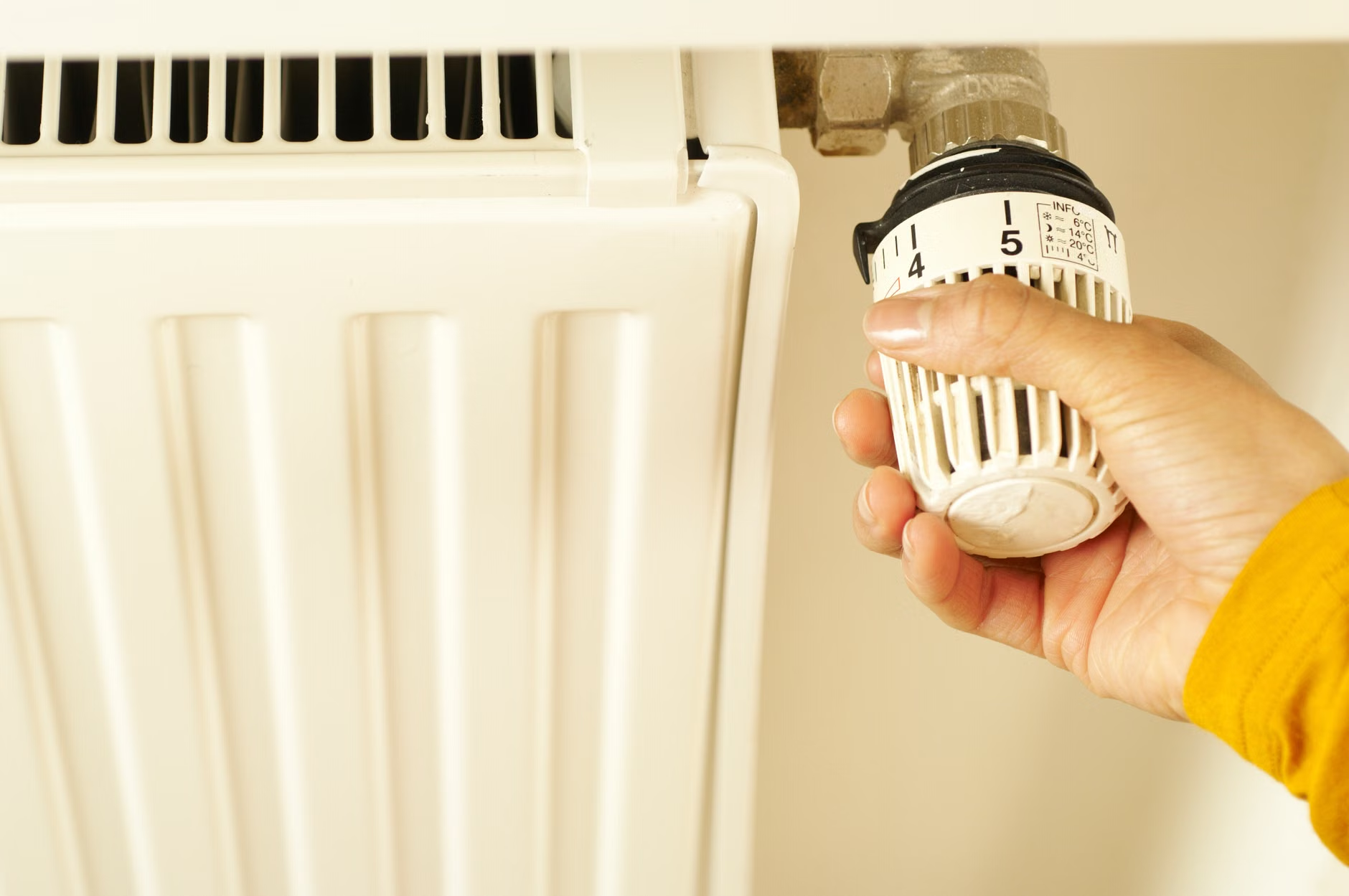
Applying for rebates can be daunting, but the process has been streamlined significantly by 2026. Follow these steps to ensure you do not miss out on available funds.
- Verify Your Utility Provider: Most rebates originate from your local electricity or gas provider, not the national government. Visit their website and search for “Residential Energy Efficiency Programs.”
- Conduct a Virtual Audit: Many providers now offer free, AI-driven virtual home energy audits. This identifies exactly which upgrades will yield the highest return on investment for your specific floor plan.
- Check “Qualified Product” Lists: Never purchase a device before checking the provider’s “Qualified Product List” (QPL). If the device is not on this list, it may not be eligible for the rebate.
- Retain Documentation: Keep digital or paper copies of the receipt, the installation invoice, and the device’s serial number. Many portals require these to be uploaded to trigger the rebate payment.
Safety and Accessibility: Beyond Energy Savings
The true value of smart-home technology for those aged 60 to 80 lies in the hidden benefits of accessibility. When installing these systems, consider the “Human-Machine Interface” (HMI).
Voice Control and Automation
For individuals with limited mobility or arthritis, touch-screen interfaces can sometimes be frustrating. In 2026, almost all major smart-home brands have refined their voice-control integration. By pairing a smart thermostat or lighting system with a voice assistant, you can adjust your home environment without leaving your chair or bedside.
The Importance of Professional Installation
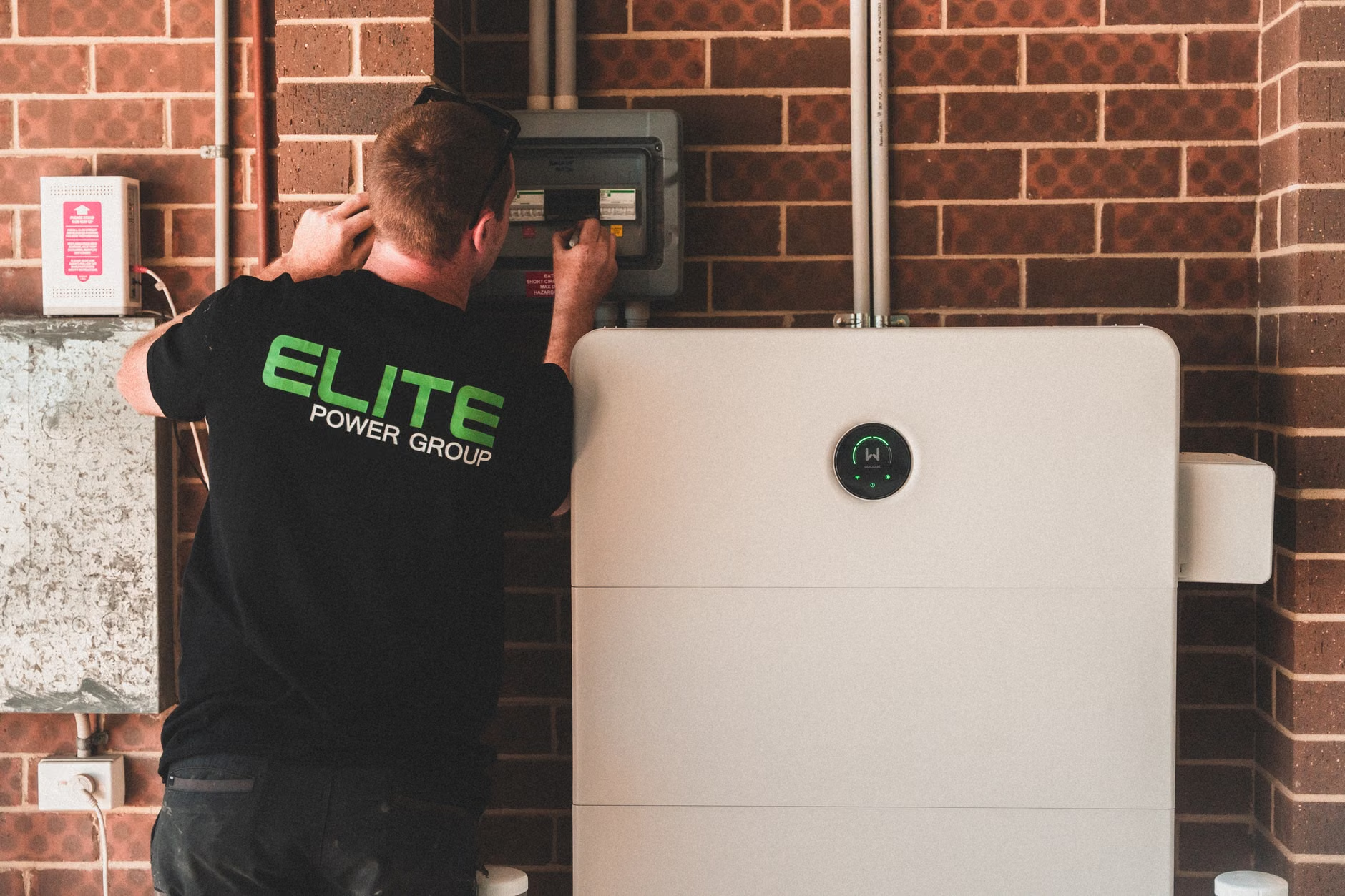
While many smart devices are marketed as “DIY” (Do-It-Yourself), for seniors, professional installation is often the safer and more reliable choice. Many utility rebate programs actually provide a “bonus” rebate if you hire a certified professional to install the equipment. This ensures that the wiring is correct, the device is properly calibrated, and the security settings (such as Wi-Fi encryption) are configured to prevent unauthorized access.

Common Pitfalls and How to Avoid Them
Even with the best intentions, there are common mistakes that can lead to frustration or financial loss. One common issue is “Compatibility Fatigue.” This happens when a homeowner buys a smart thermostat from one brand, smart bulbs from another, and a smart plug from a third, only to find that they do not “talk” to each other.
The Solution: Look for the “Matter” or “Zigbee” certification logos on packaging. These are universal standards that ensure different brands of smart devices can work together seamlessly. This creates a unified experience where you only need one app to control your entire home.
Another pitfall is privacy. Many smart devices collect data on your habits. When setting up your devices, take the time to look at the privacy settings. You can usually opt out of “data sharing” with third-party marketers without losing any of the device’s functional energy-saving features.
Financial Planning for Future-Proofing
When considering these investments, view them as an upgrade to your home’s infrastructure. A home that is energy-efficient, automated, and accessible is significantly more valuable and easier to maintain as you age in place. If you are a caregiver helping an older adult, focus on the “set and forget” features. Once the system is programmed, the goal is for it to operate silently in the background, requiring minimal interaction.
Conclusion: Taking the First Step
The 2026 landscape for smart-home energy rebates is more accessible and beneficial than ever before. Your first step should not be buying a device, but rather contacting your utility provider to ask: “What energy efficiency incentives are available for my home?” By starting with the utility provider, you ensure that you are working within an approved framework that guarantees eligibility and financial return.
Remember that the best smart-home system is one that reduces your cognitive load, not one that adds to it. Prioritize devices that automate your environment, and always opt for professional installation when available to ensure safety and long-term reliability.
Frequently Asked Questions (FAQ)
1. Do I need a high-speed internet connection for these rebates to be useful?
While some smart devices can function offline, most energy-saving features—such as remote monitoring, software updates, and demand-response participation—require a stable Wi-Fi connection. If your home internet is unreliable, consider a mesh Wi-Fi system to extend coverage to all corners of your house.
2. Are these rebates taxable income?
In most jurisdictions, utility rebates for energy efficiency are considered a “price reduction” rather than income, and therefore are not taxable. However, this can vary by country and local tax law. Always consult with your tax advisor or visit your local government’s official revenue service website for specific guidance in your region.
3. What if I am renting my home?
Many landlords are now open to smart-home upgrades because they increase the value of the property. Check if your local rebate program allows “tenant-initiated” upgrades, or approach your landlord with the proposal that these upgrades will lower utility costs for future tenants, potentially making the property more attractive.
Official Source References:
- International Energy Agency (IEA) – Energy Efficiency Policies
- ENERGY STAR® – Smart Home Rebate Search (Regional)
- OECD – Digital Public Services and Consumer Protection
Deep Dive: Integrating Smart Systems for Long-Term Care
Beyond simple energy savings, the integration of smart-home technology serves as a foundation for “Ageing in Place.” When we discuss energy rebates, we are essentially subsidizing the installation of sensors and controllers that can eventually be used for health monitoring and safety alerts. For instance, a smart energy monitor can detect if a specific appliance (like a coffee maker or a stove) has been left on for an unusual amount of time. This is not just an energy-saving feature; it is a critical safety intervention.
When selecting your smart ecosystem, consider the following technical criteria for longevity:
- Local Processing: Whenever possible, choose devices that process data locally on the device rather than relying entirely on the cloud. This ensures that your system continues to work even if your internet connection drops.
- Interoperability: As mentioned, look for the ‘Matter’ standard. This is an industry-wide initiative to ensure that devices from different manufacturers (e.g., Apple, Google, Amazon) can communicate on the same network. This prevents you from being locked into a single brand’s ecosystem, which may become obsolete.
- Maintenance Requirements: Smart devices require software updates. Ensure that the devices you choose have a track record of long-term support. Avoid “off-brand” devices from unknown manufacturers that may stop releasing security updates after only a year or two.
By framing your energy-efficiency journey through this lens, you are not just chasing a small rebate check; you are investing in a resilient home environment that will support your independence for years to come. The financial return is immediate, but the peace of mind provided by a smart, responsive home is the true long-term benefit.
Furthermore, consider the “energy audit” as a diagnostic tool. A professional audit does more than suggest a new thermostat; it identifies insulation gaps, air leaks, and inefficient appliances that contribute to high costs. Often, the rebate for the audit itself is the best “gateway” into the world of smart-home efficiency. Start there, and let the professionals guide you toward the specific upgrades that make sense for your unique home layout.
In conclusion, the 2026 rebate landscape is designed to encourage systemic change. Whether you are a homeowner or a tenant, the tools are available to make your living space more comfortable, affordable, and safe. By focusing on certified, interoperable technology and leveraging the expertise of your local utility provider, you can navigate this transition with confidence and reap the benefits of a modern, efficient home.
The key is to remain proactive. Do not wait for an appliance to break before considering a smart replacement. By planning ahead, you can take advantage of rebate cycles and seasonal promotions, further maximizing your savings. Stay informed through your local utility’s newsletter, and don’t hesitate to reach out to their customer support lines—they are often incentivized to help you adopt these technologies, as it reduces the load on their infrastructure.
Finally, remember that you are not alone in this process. Many community centers and senior advocacy groups are now providing workshops on “Digital Literacy for the Home,” which often cover exactly these types of smart-home installations. Engaging with these resources can provide both the knowledge and the social support needed to make these transitions successful.