- Cognitive Stimulation: Genealogy acts as a complex puzzle that challenges memory, pattern recognition, and analytical thinking, supporting long-term brain health.
- Systematic Approach: Starting with yourself and working backward using verifiable records prevents common research traps and saves significant time.
- Digital and Analog Harmony: Combining traditional document research with modern digital DNA and archival databases provides the most accurate and rewarding experience.
The Intellectual Challenge of Ancestral Discovery
Genealogy is far more than a sentimental hobby; it is a rigorous intellectual discipline that engages the brain in ways few other pastimes do. For adults aged 60 to 80, the process of documenting family history offers a unique intersection of cognitive training and personal fulfillment. When you piece together a family tree, you are effectively performing historical research, data analysis, and critical thinking simultaneously.
The cognitive benefits of genealogy stem from the complexity of the task. You are required to cross-reference dates, interpret conflicting records, and synthesize information from various sources—such as census records, birth certificates, and oral histories. This process keeps the brain active, requiring sustained attention and the ability to organize disparate pieces of information into a cohesive narrative.
Unlike passive entertainment, genealogy is a dynamic, problem-solving pursuit. It demands that you formulate hypotheses (e.g., “Was this person the son of John or James?”) and then set out to prove or disprove them through evidence. This scientific approach to your own history provides a sense of purpose and intellectual satisfaction that can be deeply rejuvenating.

Structuring Your Research: A Step-by-Step Methodology
The most common mistake beginners make is jumping too far into the past without a solid foundation. To ensure your research is accurate and rewarding, you must adopt a structured, “inside-out” approach. This methodology ensures you do not waste time chasing ancestors who do not belong in your family line.
Phase 1: The Foundation (You and Your Immediate Family)
Start with yourself. Document your full name, birth date, place of birth, and any other significant life events. Move to your parents, then your grandparents. At each step, gather documentation. This is not just about names; it is about verifying facts. For each individual, aim to collect three types of records: vital records (birth, marriage, death), census records, and personal documents (letters, journals, photographs).
Phase 2: The Verification Process
In genealogy, a name is only a label. Without a date and location, it is impossible to distinguish between two people with the same name. Always look for “corroborating evidence.” If you find a birth record, does it match the age listed in the census record? Does the location align with where other family members were living at the time? This constant cross-referencing is the core of the intellectual work involved.
Modern technology has revolutionized genealogy, but it has also introduced the risk of “tree-copying.” Many online platforms allow users to sync their trees with others. While this is helpful, it often leads to the propagation of errors. Always treat other users’ family trees as “leads” rather than “facts.” If an online tree claims your ancestor was born in 1820, verify that claim with an original record before adding it to your own research.
| Resource Type | What It Offers | Reliability Level |
|---|---|---|
| Vital Records | Birth, marriage, death certificates | High (Primary Source) |
| Census Records | Household composition, residence | Medium (Subject to reporting errors) |
| Family Lore | Context, stories, relationships | Low (Secondary/Anecdotal) |
The table above illustrates why you should prioritize primary sources. While family stories add color to your history, they are often prone to the “telephone game” effect, where details change over generations. Use lore as a starting point for your research, but treat it as a hypothesis that needs to be confirmed by official documents.

Understanding the Role of DNA Testing
DNA testing has become a popular tool for genealogists, but it is frequently misunderstood. It is important to realize that DNA is not a “magic key” that will automatically build your family tree. Instead, it is a tool for validation and discovery of unknown connections.
What DNA can do: It can confirm biological relationships, help you break through “brick walls” where documents are missing, and provide information about your ethnic heritage. It is particularly useful for those who have gaps in their knowledge due to adoption or lost records.
What DNA cannot do: It cannot provide a paper trail. You will still need to perform traditional research to understand the “how” and “why” of your family’s migration, social status, and individual lives. Furthermore, DNA results are estimates based on scientific models and reference populations; they should be viewed as probabilities rather than absolute, immutable facts.
When considering a DNA test, prioritize companies with large, diverse databases. Privacy is also a critical factor; ensure you read the terms of service regarding how your genetic data is stored and whether it is shared with third parties. For many, the most rewarding aspect of DNA testing is identifying distant cousins who may have photos or documents you have never seen.
Overcoming Common Research Hurdles
Even the most experienced genealogists encounter “brick walls”—periods where it seems impossible to find more information. This often happens in the mid-19th century or earlier, when record-keeping was less standardized. When you hit a wall, do not be discouraged. This is where your analytical skills will be truly tested.
Look for Collateral Relatives: If you cannot find information on your direct ancestor, research their siblings, cousins, or neighbors. Often, these individuals left behind records—wills, land deeds, or newspaper obituaries—that mention your ancestor and reveal the missing piece of the puzzle.
Consider Geographical Context: If an ancestor disappears from the records, think about why. Did they move? Did they join the military? Did the county lines change, meaning their records are now in a different jurisdiction? Understanding the historical context of the time and place is essential for effective research.
Join Local Societies: Genealogy is often a solitary activity, but it is best done in a community. Local genealogical societies often have access to records that are not digitized and are not available online. Engaging with others who are researching the same region can lead to breakthroughs that you could never achieve alone.
The Emotional and Social Dimensions of Genealogy
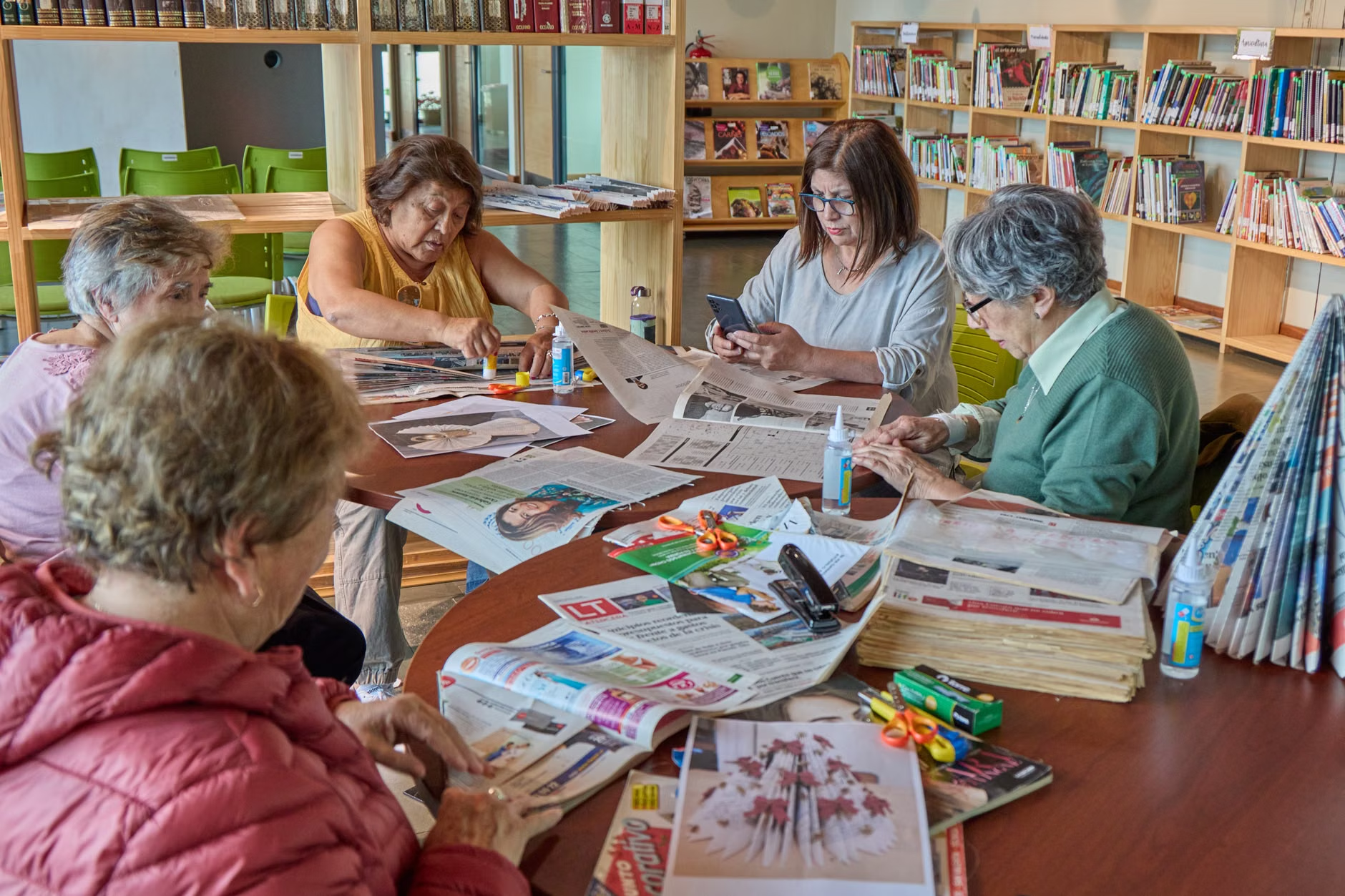
Beyond the cognitive benefits, genealogy provides a profound sense of connection. For many, it serves as a way to “re-parent” or “re-connect” with ancestors who were lost to time or distance. This can be a healing experience, helping to contextualize your own life within a much larger timeline.
Sharing your findings with family members is a great way to foster intergenerational bonding. When you explain the history of a great-grandparent to your children or grandchildren, you are passing down a sense of identity. This storytelling aspect of genealogy helps preserve values, struggles, and triumphs that might otherwise be forgotten.
However, be mindful that genealogy can sometimes uncover painful truths. Historical records may reveal difficult family histories, such as displacement, poverty, or social stigma. Approach these discoveries with empathy and perspective. Remember that your ancestors were products of their time, and their actions were often dictated by circumstances far beyond their control.
Practical Tips for Long-Term Engagement
To keep the hobby sustainable and enjoyable, avoid burnout by setting small, manageable goals. Instead of trying to “find everyone,” pick one specific question to answer each week. For example, “This week, I will find the marriage record for my great-grandfather.”
Organization is Key: Use a standardized system for your files. Whether you use a digital software program or a physical filing cabinet, ensure that every document is labeled with the name, date, and source. A disorganized genealogy project will eventually become overwhelming and lead to frustration.
Protect Your Data: If you use online platforms, always keep a backup of your work on your personal computer or an external hard drive. Never rely solely on a website to store your life’s work. Technology changes, and websites can disappear or change their business models.
Engage with Local Archives: If you are able to travel, visiting the places where your ancestors lived can be a transformative experience. Standing in the churchyard where they were buried or walking the streets of their hometown provides a tactile connection that no amount of digital research can replicate. Ensure you plan for mobility needs by checking the accessibility of local archives and historical sites beforehand.
Conclusion: The Legacy of Inquiry
Genealogy is a journey of a lifetime. It is a pursuit that honors the past while keeping your mind sharp and engaged in the present. By approaching your family history with the same rigor you would apply to any professional endeavor, you ensure that your findings are accurate and that your cognitive investment yields the greatest possible reward. The goal is not to reach a final destination, but to appreciate the process of discovery, the thrill of the hunt, and the richness of the stories you uncover along the way.
Frequently Asked Questions
1. Do I need to be a history expert to start genealogy?
No, you do not need formal training. Genealogy is a skill learned through practice. Start with your immediate family and use online tutorials or local library resources to learn how to interpret records as you go.
2. Is it expensive to start researching my family tree?
It can be as cheap or as expensive as you choose. Many basic records are available for free through public libraries, government archives, and sites like FamilySearch.org. Subscription-based services offer convenience, but they are not strictly necessary for a rewarding experience.
3. How do I know if the information I find online is accurate?
Never trust a single online source. Always look for at least two independent, primary sources (like a birth certificate and a census record) that confirm the same information. If you cannot find a supporting document, treat the information as a theory rather than a fact.
Official Resources for Further Research: