- Voice control is a tool for autonomy: By 2026, voice-activated systems are moving beyond simple timers to complex, integrated safety ecosystems that monitor environmental hazards and health-related anomalies without requiring wearable devices.
- Privacy-first design is the new standard: Current trends prioritize local processing, meaning your data stays within your home network rather than being uploaded to the cloud, significantly reducing security risks.
- Integration over isolation: The most effective systems in 2026 connect lighting, door locks, and emergency notification systems into one cohesive, voice-managed dashboard, reducing the need for multiple, confusing apps.
The Evolution of Voice-Activated Safety for 2026
As we approach 2026, the intersection of voice-activated technology and home safety has matured into a sophisticated, user-centric landscape. For adults aged 60 to 80, the primary goal of these systems is no longer just “convenience”—it is the preservation of independence and the proactive management of home environments. Unlike early smart home devices that required complex programming and constant app management, the 2026 generation of systems is designed for intuitive, natural language interaction.
This transition represents a shift from “smart home as a gadget” to “smart home as a support system.” Whether you are managing mobility challenges or simply looking to streamline your daily routine to reduce physical strain, these systems act as a silent, reliable assistant. This article explores how to navigate these technologies, prioritize your privacy, and implement a system that genuinely enhances your daily life.

Understanding the “Local Processing” Trend
One of the most significant changes in 2026 is the migration of “intelligence” from the cloud to the home. In previous years, voice commands were sent to massive server farms to be processed, which raised valid concerns about privacy and internet dependency. Today, high-end home safety hubs perform voice recognition and data analysis locally on the device itself.
Why this matters for you:
- Reduced Latency: Because the device doesn’t need to “talk” to a remote server, your voice commands are executed almost instantaneously.
- Privacy Security: Your home activity, voice recordings, and safety logs remain within your four walls. This significantly lowers the risk of third-party data breaches.
- Reliability: If your internet connection drops, your core safety features—such as voice-activated lighting or smoke detection alerts—remain fully functional.
When selecting a system for your home, look for the term “Edge Computing” or “Local Voice Processing” on the packaging or manufacturer website. If a device requires a constant internet connection for basic functionality, consider it a limitation for a robust, long-term safety plan.
Integration: Moving Beyond Individual Gadgets
A common mistake in setting up a home safety system is purchasing disparate devices that do not “talk” to each other. For example, having a smart lock that works on one app and a voice-activated speaker that works on another creates unnecessary cognitive load. The 2026 trend is the Unified Safety Ecosystem.
A unified system allows you to create “Safety Scenes.” For instance, a single command like “Goodnight” can simultaneously lock the front door, turn off non-essential appliances, activate motion-sensitive night lights in the hallway, and check that the stove is powered down. This reduces the number of steps you need to take to secure your home each evening, conserving your energy and providing peace of mind.
Comparison of Safety System Architectures
| Feature | Disconnected Gadgets | Unified Ecosystem |
|---|---|---|
| Setup Complexity | High (Multiple apps) | Low (Centralized) |
| Voice Consistency | Varied/Unreliable | High/Uniform |
| Maintenance | Tedious | Automated updates |
| Best For | Casual users | Long-term safety & support |
For most readers, the Unified Ecosystem is the superior choice for safety. It provides a predictable environment where errors are minimized, and the learning curve is flattened through consistent command structures.

Proactive Environmental Monitoring
Voice activation is not just about turning lights on and off; it is about gathering data that helps you stay safe. In 2026, voice-activated hubs serve as the “brain” for environmental sensors that monitor for risks that are often missed. These include:
- Water Leak Detection: Sensors placed under sinks or near water heaters that alert you via voice: “Warning: Water detected under the kitchen sink.”
- Air Quality and Carbon Monoxide: Real-time monitoring that provides verbal updates on air quality, which is critical for those with respiratory sensitivities.
- Temperature Regulation: Voice-controlled thermostats that can be adjusted from bed or a chair, preventing the need to navigate to the wall panel if you feel chilled or overheated.
Practical Decision Rule: When purchasing sensors, prioritize those that offer “audible alerts” rather than just phone notifications. If you are in another room, a phone notification might be missed. A voice-activated speaker announcing, “There is a potential leak in the laundry room,” is immediate and actionable.
Installation and Maintenance: The “Do-It-Yourself” Reality
Many systems today are marketed as “plug-and-play,” but for a comprehensive safety system, a bit of planning goes a long way. If you are not comfortable with technical configuration, it is perfectly acceptable to enlist the help of a professional installer or a tech-savvy family member. However, you should still maintain control over the system.
Step-by-Step Implementation Guide:
- Audit your home: Identify the most common areas of movement (hallways, bathroom, kitchen).
- Select a hub: Choose one primary system (e.g., Matter-enabled hubs) to ensure compatibility between devices from different manufacturers.
- Test the voice commands: Spend time practicing commands. Use natural, simple language: “Turn on hallway lights,” instead of complex “Activate scenario A.”
- Develop a backup plan: Always keep manual controls (light switches, physical keys) functional. Technology should supplement, not replace, physical infrastructure.
One overlooked variable is the firmware update. Ensure that your system is set to “auto-update” so that security patches are applied without you needing to intervene. Check these settings once every quarter to ensure they haven’t been reset.
Addressing Privacy and Security Concerns
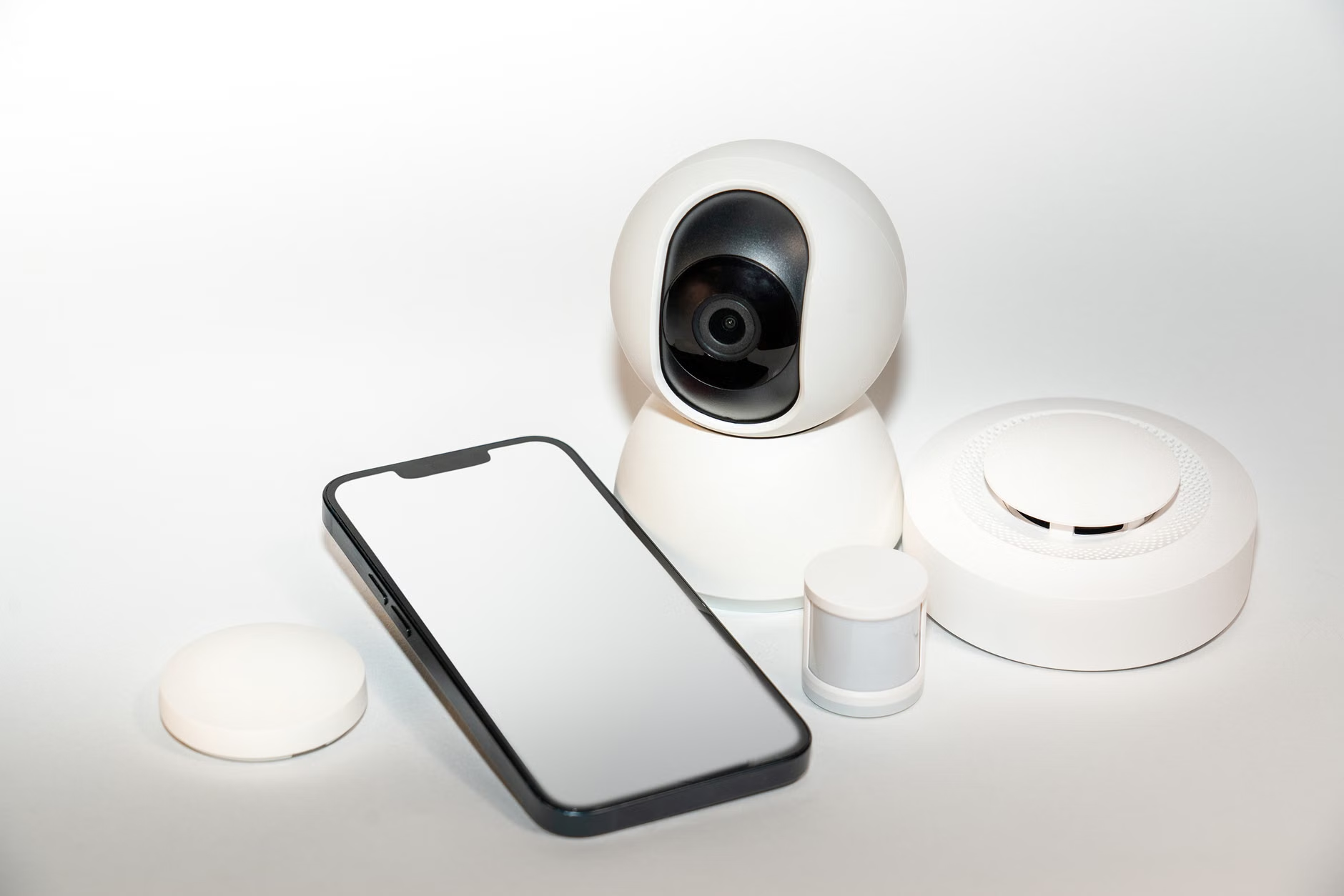
With increased connectivity comes the responsibility of digital safety. In 2026, the best systems incorporate “Privacy Shutters” for any cameras included in the kit and physical “mute” buttons for microphones. If you are ever uncomfortable with the level of monitoring, you should be able to physically disconnect or mute the device instantly.
Furthermore, avoid using common passwords for your home network. Use a dedicated, strong password for your smart home account, and enable “Two-Factor Authentication” (2FA). 2FA adds a layer of security by requiring a code sent to your phone before any major changes can be made to your home settings.
The Role of Voice Systems in Caregiving
For family members or caregivers, these systems provide a non-intrusive way to ensure a loved one is safe. Many 2026 systems allow for “Caregiver Access,” where a family member can be alerted if a specific sensor is triggered (e.g., the front door opening at an unusual hour) or if the system detects an inactivity pattern that deviates from the norm.
It is important that this feature is discussed openly. The goal is to provide safety, not surveillance. Define clear boundaries: what information is shared, with whom, and under what conditions (e.g., only in the event of an emergency alert). This transparency builds trust and ensures that the technology serves the person living in the home, not the other way around.
Future Outlook: Predictive Safety
As we look beyond 2026, the technology is moving toward “Predictive Safety.” This involves using machine learning to identify patterns that might precede an accident. For example, if you frequently turn on the bathroom light at 3:00 AM, the system might eventually suggest adjusting the brightness of that light automatically to prevent eye strain or disorientation, or it might notice a change in your movement speed that could indicate a health issue requiring a check-up.
This is not a substitute for professional medical advice, but it is a powerful tool for self-awareness. If your system begins providing “insights” or “suggestions” regarding your movement patterns, treat them as information to share with your healthcare provider during your next visit. Bring a summary of these observations to your appointment to provide your doctor with a clearer picture of your daily activity.
Conclusion: Taking the Practical Next Step
The 2026 landscape for voice-activated home safety is defined by local privacy, unified control, and proactive monitoring. By choosing a system that prioritizes these three elements, you can create a home environment that adapts to your needs rather than forcing you to adapt to it. Start by evaluating your current home safety gaps—is it lighting at night? Is it the difficulty of reaching certain switches? Is it the need for faster emergency communication? Address one area at a time, prioritize systems that work offline, and always maintain your manual overrides.
Technology should be a quiet, helpful presence in your home. By taking the time to set it up correctly, you are not just buying devices; you are investing in your long-term independence and quality of life.
Frequently Asked Questions
1. Do I need a high-speed internet connection for these systems to work?
While many features (like software updates and remote alerts) require an internet connection, modern 2026 systems are designed to perform core safety functions—such as local voice commands and sensor-triggered lighting—without an active internet connection. This ensures your home remains safe even during outages.
2. Is voice-activated technology difficult to learn for someone who is not tech-savvy?
The current trend is “Natural Language Processing,” which means the devices are trained to understand everyday conversational speech rather than rigid, technical commands. If you can speak clearly, you can use these systems. Many manufacturers also provide “Quick Start” cards with simple, pre-programmed phrases to help you get started comfortably.
3. What happens if the system makes a mistake or misunderstands a command?
All voice-activated systems in 2026 are designed with a “failsafe” philosophy. If a command is ambiguous, the system will ask for clarification rather than executing a potentially incorrect action. Furthermore, you can always override any smart action with a physical switch or a manual override button, ensuring you are never locked out of controlling your own home.
Official guidance on smart home privacy and security can be found through your national cybersecurity agency, such as the Cybersecurity & Infrastructure Security Agency (CISA) in the United States or equivalent local authorities in your jurisdiction.