Community gardening offers a unique intersection of physical activity, social engagement, and mental stimulation that is particularly beneficial for adults aged 60 and older. Beyond the harvest of fresh produce, these shared spaces act as vital hubs for maintaining cognitive health and preventing the social isolation that can affect aging populations.
- Physical Adaptation: Using raised beds and ergonomic tools eliminates the need for kneeling or bending, making gardening accessible for those with mobility concerns.
- Cognitive and Social Resilience: Gardening in a group setting provides structured social interaction and complex problem-solving opportunities that support brain health.
- Safety First: Managing heat exposure, hydration, and physical pacing is essential for sustainable participation in outdoor community projects.
The Science of Social Gardening: Why It Matters
For many older adults, the transition into retirement often involves a reduction in the “incidental” social interactions that once occurred in the workplace. Community gardening addresses this by providing a “third place”—a social environment separate from home and professional life—where individuals can build connections based on shared interests.
Research suggests that engagement in collective green spaces can lower cortisol levels and improve mood. Unlike solitary activities, community gardening requires negotiation, collaboration, and shared responsibility. This “social glue” is a powerful antidote to loneliness. When we garden with others, we are not just growing plants; we are cultivating a support system.
Assessing Accessibility and Safety in Garden Spaces
Before joining a community garden, it is important to evaluate the site’s physical infrastructure. Not all gardens are created equal, and your comfort and safety depend on specific design elements.
Key Infrastructure Checklist
| Feature | Why It Matters | What to Look For |
|---|---|---|
| Raised Beds | Reduces joint stress | Beds at waist height (approx. 70-90cm). |
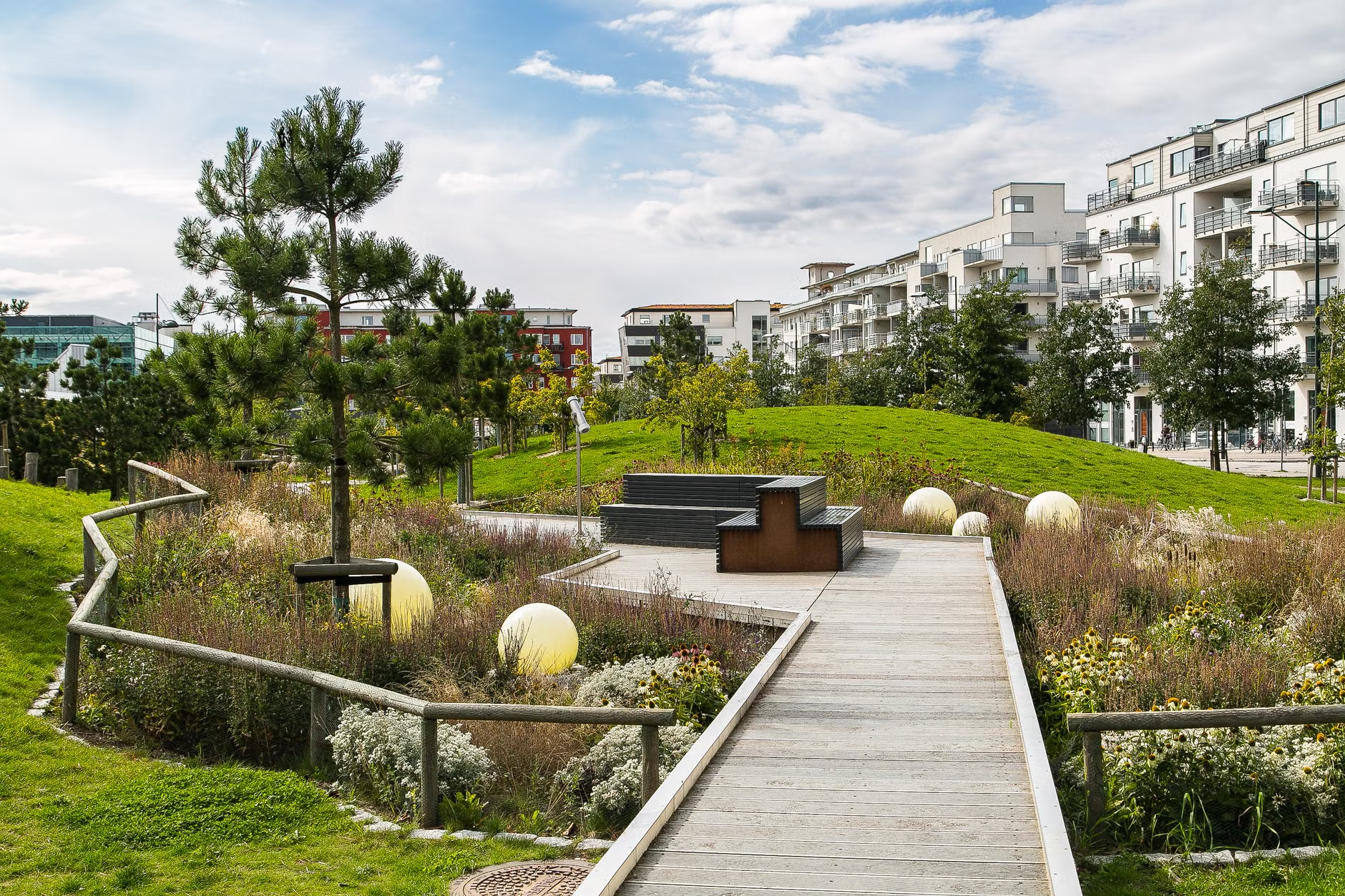
| Path Surfaces | Prevents falls | Flat, non-slip, wide enough for walkers or canes. |
| Seating | Prevents overexertion | Benches with backrests placed in shaded areas. |
| Water Access | Prevents dehydration | Easy-reach spigots or automated irrigation systems. |
Common Mistake: Many new gardeners underestimate the physical toll of traditional ground-level gardening. If a garden only offers ground-level plots, consider if you have the range of motion to get up and down safely. If not, prioritize gardens that feature raised beds or vertical gardening installations.
Integrating Gardening into Your Weekly Routine
Sustainability in gardening is about pacing. Rather than viewing gardening as a high-intensity workout, frame it as a form of “functional movement.”
Step-by-Step Action Plan:
- Start Small: Begin with one small container or a shared plot. Avoid over-committing to large sections that require daily, intensive labor.
- Temperature Management: Garden during the “golden hours”—early morning or late afternoon. Avoid the peak heat of the day (usually 11:00 AM to 3:00 PM) to prevent heat exhaustion and dehydration.
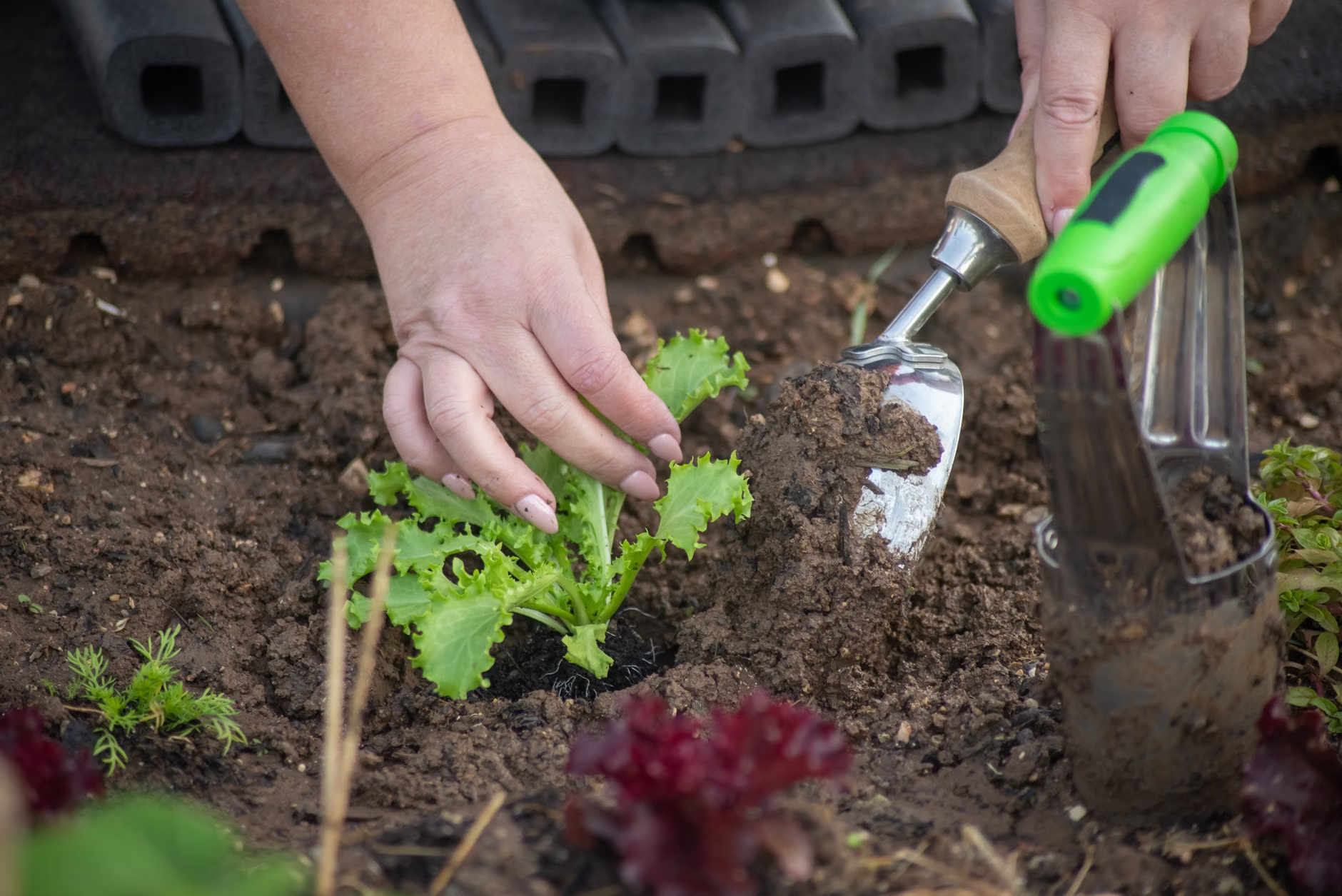
- Ergonomic Tooling: Invest in long-handled tools or those with padded, non-slip grips. These reduce the force required for digging and weeding, protecting your wrists and back.
- Logistics of Care: If you have a specific health condition, such as heart disease or respiratory issues, consult your primary care provider about appropriate activity levels. Always carry a phone, water, and any necessary medications with you.
The Hidden Benefits: Cognitive and Nutritional Gains
Gardening is an intellectually demanding task. It involves planning, tracking growth cycles, identifying pests, and understanding soil health. This constant learning process stimulates neuroplasticity. Furthermore, having access to fresh, nutrient-dense produce allows you to take control of your diet. Growing your own herbs or vegetables often leads to increased intake of fiber and micronutrients, which are essential for maintaining energy levels as you age.

Community gardens are diverse spaces. You will encounter people of different ages, backgrounds, and skill levels. This diversity is a strength, but it can also present challenges if expectations regarding labor and harvest-sharing are not clear. Most community gardens have a set of bylaws or a committee. Before joining, ask to see these rules to understand the expectations for maintenance and communication.
Deep Dive: Overcoming Potential Barriers
While the benefits are clear, there are real-world hurdles. Transportation is often the primary barrier. If you do not live within walking distance of a garden, check if the site is near public transport hubs or if there is a carpooling culture among members. Additionally, consider the “off-season.” What happens to the garden in winter? Many vibrant communities organize indoor workshops or seed-starting sessions to maintain social connection even when the soil is frozen.
Conclusion: Your Next Steps
To begin, search for local community gardens through your municipal parks and recreation department or national gardening associations. Visit the site during a weekend morning to observe the culture. Does it feel welcoming? Is the physical layout compatible with your current mobility? Ask current members about their experience—their feedback is the most accurate indicator of whether the garden will meet your social and physical needs.
Frequently Asked Questions
Is community gardening safe for those with limited mobility?
Yes, provided you choose a garden with accessible infrastructure like raised beds and paved paths. Always assess your own balance and stamina before beginning, and use tools that minimize the need for kneeling or reaching.
Do I need to be an expert gardener to join?
Most community gardens welcome beginners. They are often social learning environments where experienced members mentor newcomers. Check if your local garden offers orientation sessions.
How can I find a community garden in my area?
Start by contacting your local council, municipal parks department, or searching online directories such as the American Community Gardening Association (for US-based readers) or equivalent national organizations in your country. These bodies often maintain maps of registered plots.
Disclaimer: This article is for informational purposes and does not constitute medical advice. Please consult with your healthcare provider before beginning any new physical activity, especially if you have chronic health conditions.