- Prioritize Footwear: Your comfort on heritage tours is dictated by your shoes; choose stability and cushioning over aesthetics to prevent fatigue and injury.
- The “Load-Bearing” Rule: Keep your daypack under 3 kilograms to protect your posture and stamina, ensuring you can enjoy the walk without physical strain.
- Smart Preparation: Digital document backups and a physical “emergency contact” card are essential safety measures when navigating unfamiliar urban heritage sites.
The Art of Minimalist Packing for Urban Heritage Walking Tours
Urban heritage walking tours offer a unique window into history, but they often involve navigating uneven cobblestones, long stretches of standing, and varying microclimates. For travelers aged 60 to 80, the secret to enjoying these experiences lies not in what you bring, but in how effectively you curate your gear. Minimalist packing is not about depriving yourself; it is about eliminating the physical burden that detracts from the joy of discovery.
The Philosophy of Minimalist Mobility
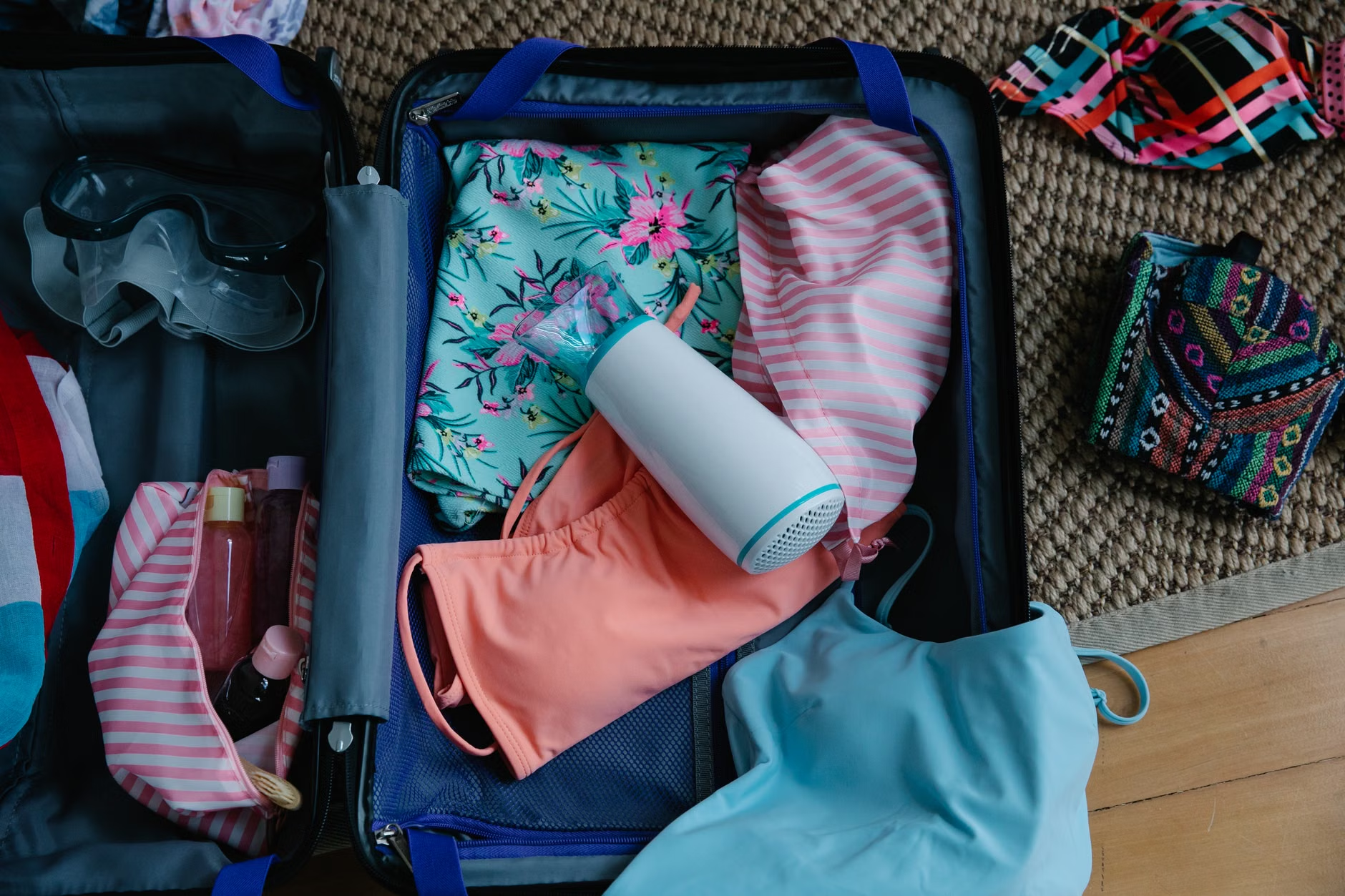
When you are walking through a city like Rome, Kyoto, or Cusco, your greatest asset is your mobility. Every extra kilogram in your bag increases the strain on your joints and reduces your endurance. Minimalist packing for heritage tours focuses on functional versatility—choosing items that serve multiple purposes and prioritizing lightweight materials.
A common mistake is over-preparing for “what-if” scenarios. Instead of carrying a heavy umbrella, a heavy coat, and a massive first-aid kit, focus on modular systems. If you are traveling for seven days, you do not need seven outfits. You need a capsule wardrobe that can be washed or layered. By keeping your total load light, you maintain a lower center of gravity, which is crucial when navigating stairs or steep historic inclines.
Strategic Footwear: The Foundation of Your Tour
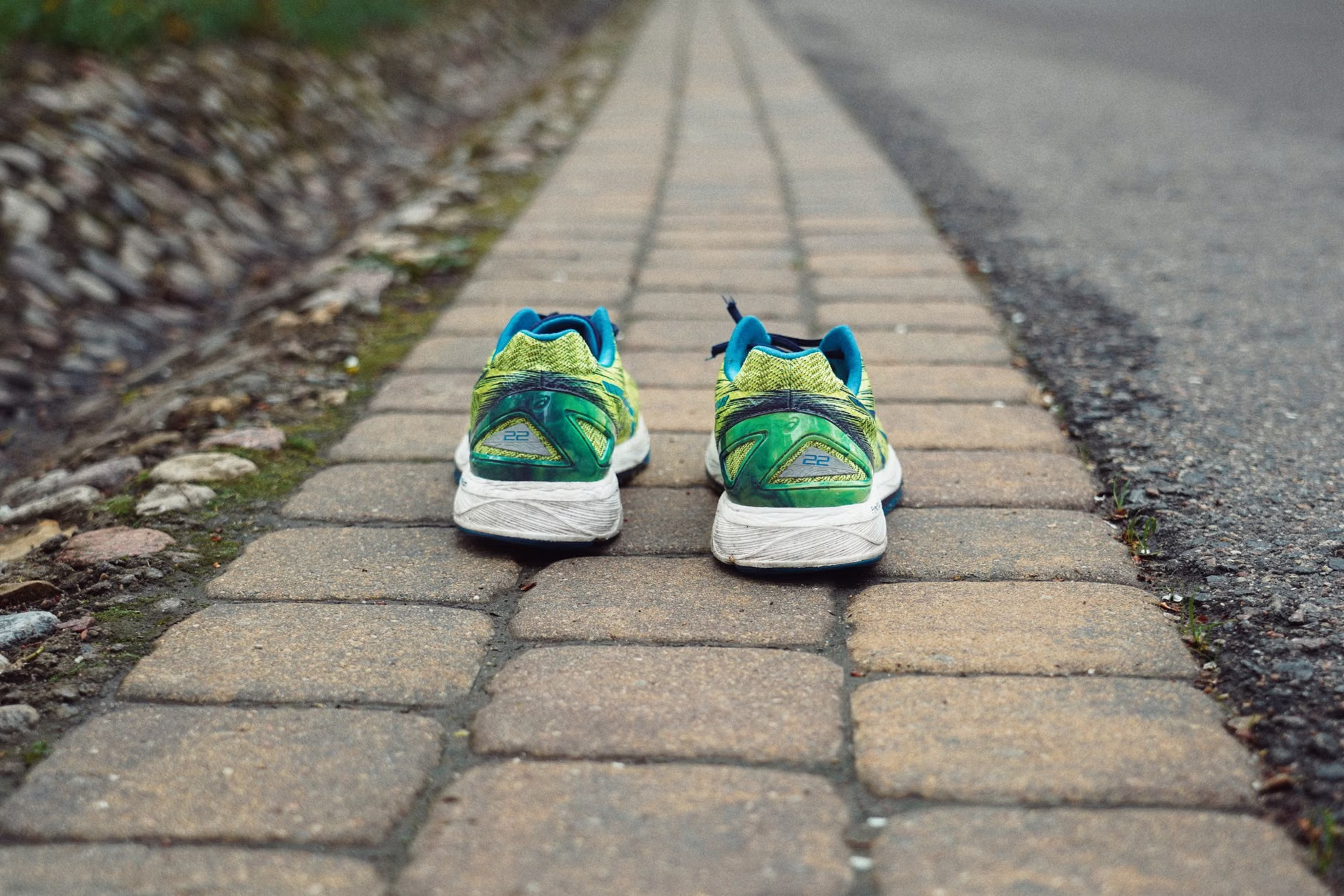
Your shoes are the most important piece of equipment you will pack. Heritage sites are notorious for irregular surfaces—cobblestones, uneven stone steps, and worn-down pathways. These surfaces demand more from your ankles and feet than a standard sidewalk.
Choosing the Right Support
Look for shoes that provide arch support, lateral stability, and shock absorption. Avoid flat-soled sneakers or thin-soled loafers. If you have specific foot conditions, such as plantar fasciitis or neuropathy, consult a podiatrist before your trip to ensure your footwear matches the demands of a high-walking itinerary.
| Feature | Why it Matters | What to Look For |
|---|---|---|
| Cushioning | Reduces impact on joints | EVA midsoles or gel inserts |
| Tread | Prevents slips on wet stone | Deep, rubberized lug patterns |
| Weight | Prevents leg fatigue | Synthetic mesh or lightweight leather |
Note: Always break in new shoes at least two weeks before your trip. Wear them on walks of increasing duration to identify potential pressure points or friction areas.
The Daypack: Balancing Comfort and Capacity
Your daypack is your mobile home while you are out exploring. A heavy bag pulls your shoulders back, causing neck strain and altering your gait. A poorly balanced bag can even affect your balance, which is a significant safety risk on steep historic paths.
Rules for a Senior-Friendly Daypack
- Weight Limit: Aim for a total weight of 2.5 to 3 kilograms (roughly 5-6 lbs).
- Distribution: Use a backpack with a sternum strap or a waist belt to transfer weight from your shoulders to your hips.
- Accessibility: Ensure your water bottle, medication, and map/phone are in external pockets to avoid digging through the bag.
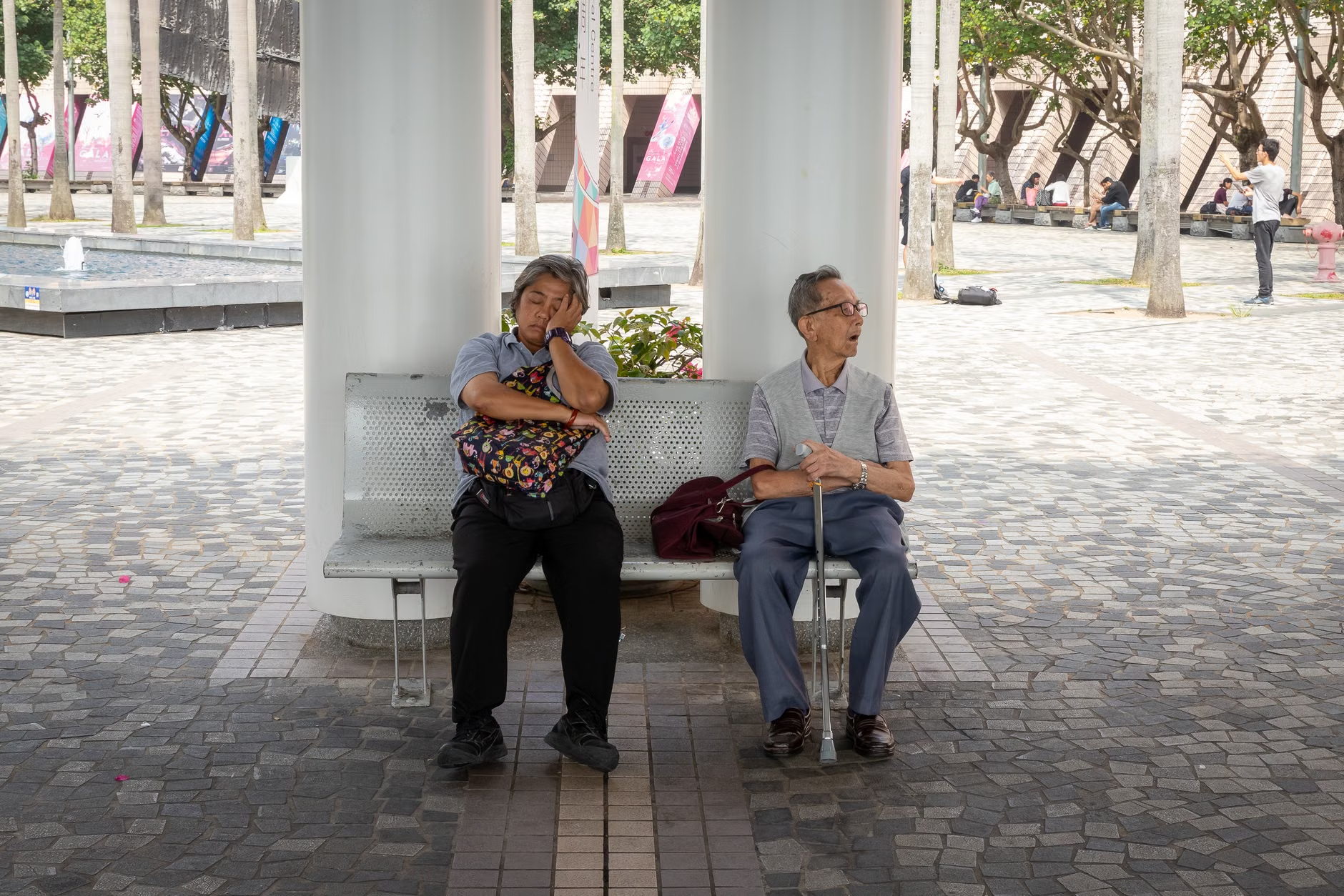
Hidden Inconvenience: Many heritage sites lack public seating. Consider carrying a lightweight, collapsible walking stick or a cane seat if you have concerns about stamina. These tools are not just for mobility—they provide a psychological safety net that allows you to walk further with more confidence.
Managing Health and Essentials on the Move
Preventive care is essential when you are away from your home environment. This means being proactive rather than reactive.
Medication Management
Keep your medications in their original packaging, accompanied by a copy of your prescription. If you are crossing international borders, carry a summary of your medical history provided by your doctor. This document should include your blood type, known allergies, and a list of current medications with their generic names.
Digital vs. Physical Documentation
While digital apps are convenient, they can fail due to battery drain or connectivity issues. Always carry a “hard copy” folder that includes:
- A printed copy of your itinerary and hotel addresses.
- Emergency contact information for your local embassy or consulate.
- A small amount of local currency, even if you plan to use cards (some small heritage shops may be cash-only).
The Reality of Urban Heritage Logistics
Heritage tours often take you into areas built before modern accessibility standards existed. You may encounter narrow doorways, steep staircases with no handrails, and limited lift access.
Assessing Accessibility Before You Go
Before visiting a site, check the official website for “accessibility information” or “visitor guidance.” Many sites, such as those listed by UNESCO, provide specific details on terrain difficulty. If a site is described as having “steep inclines” or “uneven ground,” consider whether you are comfortable navigating these with your current level of mobility.
Decision Criterion: If you are traveling with a partner or caregiver, have a pre-agreed “escape route.” If a site becomes too physically demanding, identify the nearest transport hub or café where you can wait comfortably while your companion continues or where you can simply enjoy the atmosphere without further exertion.
Advanced Packing Strategy: The Capsule Concept
Minimalism is achieved through a limited color palette and versatile layers. A heritage walking tour usually happens in the morning or afternoon, where temperatures can fluctuate. A lightweight, moisture-wicking base layer combined with a breathable windbreaker is often more effective than one heavy coat.
Avoid denim, which is heavy, slow to dry, and restrictive. Opt for performance fabrics that offer stretch and breathability. Remember that you are in a city; you do not need specialized “hiking gear” that looks out of place in a museum or a restaurant. Choose “urban-technical” clothing that performs like athletic wear but looks like casual travel attire.
Safety and Stamina: The Overlooked Variables
The most common cause of travel-related fatigue is not walking itself, but the lack of recovery. When planning your daily schedule, incorporate “anchor points.” An anchor point is a pre-planned stop where you know you can sit for 30 minutes, access a restroom, and have a drink.
Insight: Dehydration is often mistaken for fatigue. Even in cool weather, walking through urban corridors can lead to fluid loss. Carry a reusable water bottle and set an alarm on your phone to prompt hydration every two hours. By maintaining your fluid levels, you reduce the risk of dizziness and maintain the cognitive energy required to navigate complex urban layouts.
Conclusion: Prioritizing Your Experience
Minimalist packing is the gateway to a more spontaneous and less stressful travel experience. By focusing on supportive footwear, a lightweight load, and clear documentation, you remove the physical barriers that often discourage older travelers from fully engaging with the world’s great heritage sites. Remember that the goal is not to see everything, but to experience what you do see with comfort and clarity. Start by auditing your daypack today—if you haven’t used an item in the last two days of your daily routine, it likely does not belong in your travel bag.
Frequently Asked Questions
- 1. How do I handle sudden changes in weather while walking?
- Carry a lightweight, packable poncho or a windbreaker that fits into a small pouch. Avoid heavy umbrellas, which are cumbersome in crowds and ineffective in windy conditions.
- 2. Should I bring a power bank for my phone?
- Yes, a small, lightweight power bank (under 10,000mAh) is essential. Using GPS and cameras drains batteries quickly, and having a functioning phone is your primary tool for navigation and safety.
- 3. How can I identify if a walking tour is too physically demanding?
- Look for tour descriptions that mention “walking pace,” “stairs,” or “inclines.” If the tour provider does not specify, contact them directly and ask: “How much of the tour involves stairs or non-flat ground?” If they cannot provide a clear answer, it is safer to choose a different operator.