- Intergenerational co-living is shifting in 2026 from informal arrangements to structured, architecturally designed communities that prioritize accessibility and social connection.
- Choosing the right model requires balancing individual autonomy with shared responsibilities; look for clear legal agreements regarding maintenance, house rules, and privacy.
- Financial sustainability in these models often involves shared utility costs and lower rent compared to traditional senior-only facilities, but requires careful vetting of the management structure.
As we move into 2026, the concept of “home” is undergoing a significant transformation for adults aged 60 to 80. Moving away from traditional, age-segregated senior living facilities, a growing number of individuals are opting for intergenerational co-living. This model brings together diverse age groups—often students, young professionals, and older adults—under one roof, sharing common spaces while maintaining private living quarters. This article explores the realities of these models, how they function, and the practical steps you should take if you are considering this lifestyle shift.
Understanding the 2026 Intergenerational Housing Landscape
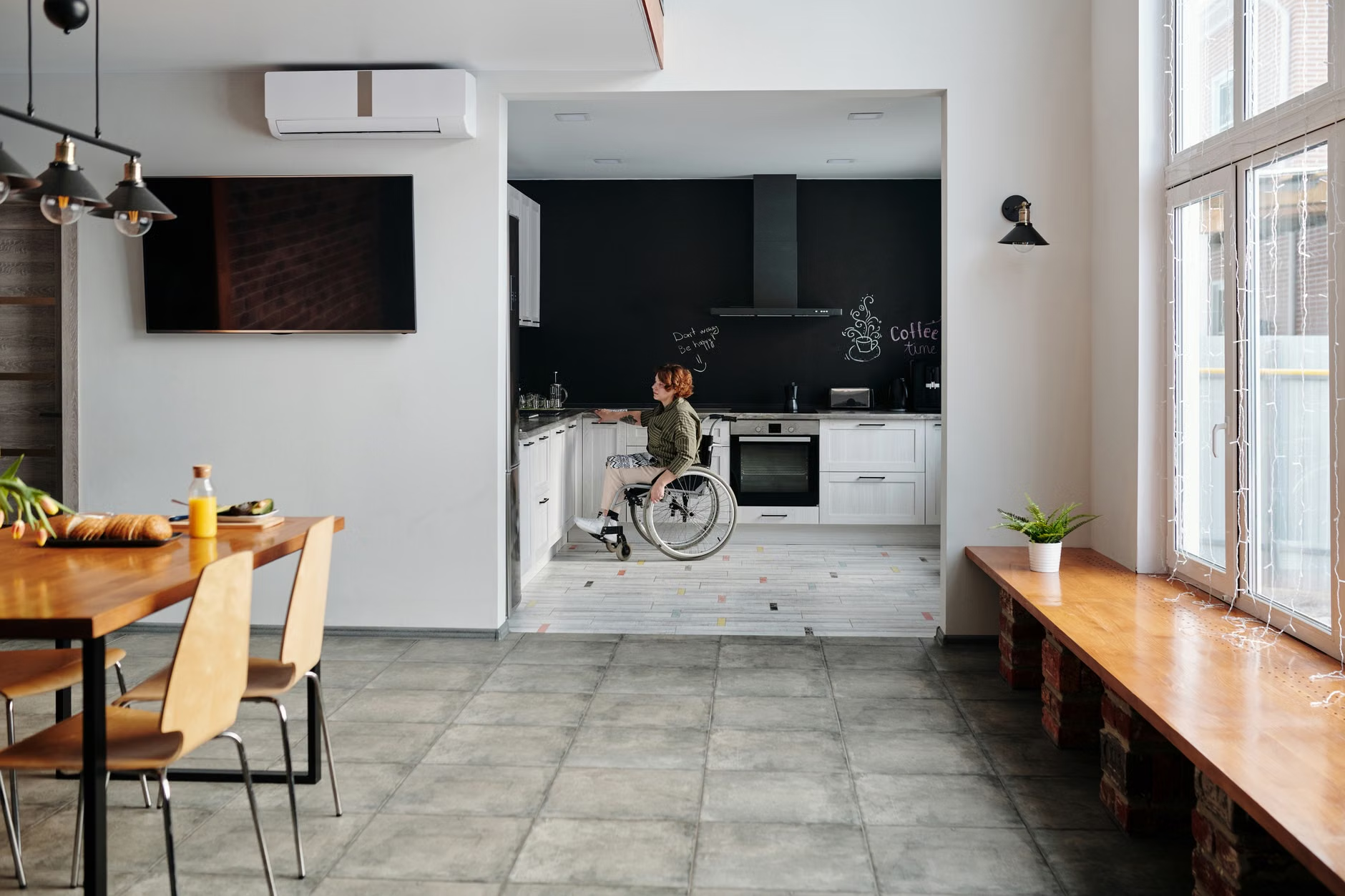
In 2026, intergenerational housing is no longer just a trend; it is becoming a recognized housing solution supported by local governments and non-profit organizations in cities across Europe, North America, and parts of Asia. What distinguishes the current model from the past is the intentionality of design. Modern developments are now built with “universal design” principles from the ground up, meaning they feature wide doorways, step-free access, and high-contrast lighting that benefits residents of all ages.
Why does this matter? For many older adults, the primary driver for seeking new housing is the desire to remain socially connected while avoiding the isolation that can occur in age-restricted communities. By living alongside younger generations, residents often find opportunities for informal knowledge exchange, shared hobbies, and a built-in support network that feels less like a clinical environment and more like a neighborhood.
The Core Models of Co-living
To navigate the market, it is helpful to understand the three primary structures currently dominating the landscape:
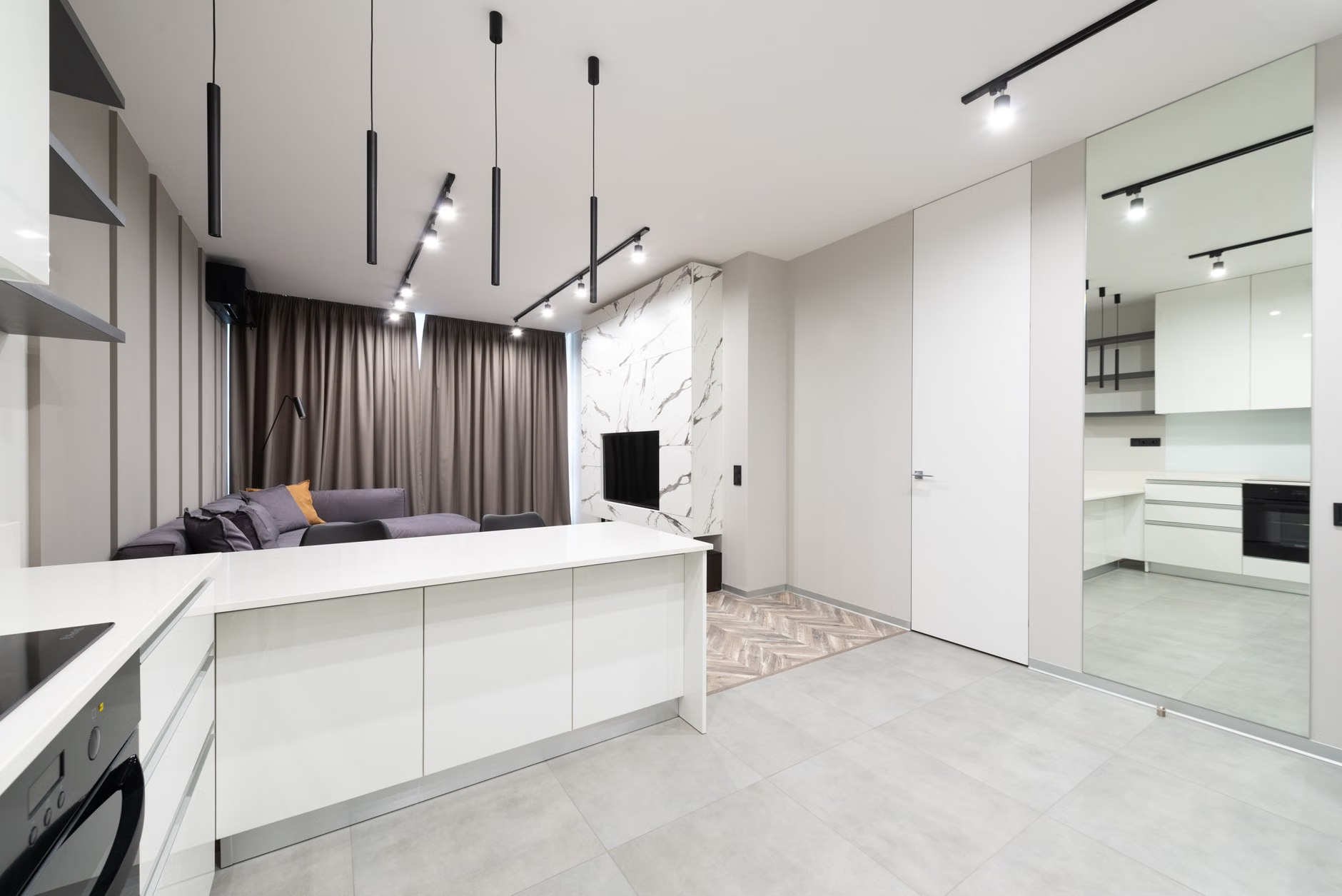
- Dedicated Co-living Complexes: These are purpose-built buildings where private apartments are complemented by large, shared communal zones like kitchens, libraries, or fitness centers.
- Home-Share Programs: A more flexible, often non-profit-led model where an older homeowner offers a spare room to a student or young worker at a reduced rate in exchange for light assistance or companionship.
- Community Land Trusts: A collective ownership model where residents own their units but share common land and facilities, governed by a board of residents.
Choosing the right model depends heavily on your comfort with shared space and your desire for administrative responsibility.
Evaluating Your Needs: A Decision Framework
Before committing to an intergenerational living arrangement, you must assess your personal priorities. It is easy to be swayed by the idea of “community,” but the daily reality of shared living requires a clear-eyed assessment of your tolerance for noise, varying schedules, and collective decision-making.
| Feature | Purpose-Built Co-living | Home-Share Programs | Community Land Trusts |
|---|---|---|---|
| Privacy | High (Private Unit) | Medium (Shared Home) | High (Private Home) |
| Responsibility | Low (Management Handles) | Medium (Personal Agreement) | High (Governance Roles) |
| Accessibility | Built-in (Standard) | Variable (Requires Audit) | Variable (Owner Managed) |
| Cost Stability | Medium (Market-linked) | High (Fixed/Low) | High (Equity-based) |
If you prefer a “lock-and-leave” lifestyle where maintenance is handled by a third party, purpose-built complexes are generally the most suitable. Conversely, if you have a strong desire for autonomy and the ability to modify your living space, a community land trust or a long-term home-share arrangement might be preferable.
The most common mistake prospective residents make is failing to formalize the “rules of engagement.” Whether you are moving into a managed facility or entering a private home-share, you must have clear documentation.
Checklist for Vetting Agreements:
- Maintenance Responsibilities: Who is responsible for repairs? If a lightbulb goes out or a faucet leaks, is there an on-site manager, or is it the resident’s duty?
- Guest Policies: How are overnight guests handled in shared spaces? Understanding this early prevents friction later.
- Dispute Resolution: Is there a formal mediation process if a conflict arises between residents of different ages?
- Exit Clauses: What are the notice periods for moving out? In 2026, many modern contracts offer flexible exit terms for seniors, but verify these in writing.
Always consult with a legal professional or a housing advocate before signing a long-term lease or equity agreement. In many jurisdictions, such as the UK or certain US states, there are specific “Fair Housing” laws that protect against age-based discrimination, but private co-living agreements can sometimes operate in a grey area of contract law.
The Role of Technology in 2026 Co-living
Technology is a silent partner in the success of modern co-living. In 2026, most successful communities utilize digital platforms for “community management.” These apps are not just for paying rent; they are used for scheduling shared meals, booking common rooms, and even signaling if a resident needs a hand with groceries or a ride to a medical appointment.
If you are not tech-savvy, do not let this discourage you. Most reputable facilities provide training or have a “community connector”—a staff member or resident leader—who acts as the bridge. If a facility does not have a plan for bridging the “digital gap,” it may indicate a lack of consideration for the needs of older residents.

Health and Wellbeing: Managing the Transition
Moving from a long-term family home to a shared environment is a significant life event. While the social benefits are well-documented—including reduced feelings of loneliness and increased physical activity—it is important to manage your expectations regarding your own health needs.
Warning: Intergenerational co-living is not a substitute for assisted living or nursing care. While many younger residents may be happy to help with occasional tasks, they are not trained caregivers. If you have chronic conditions that require daily medical support, you must ensure that your co-living arrangement is located within proximity to professional home-care services. Do not rely on the “community” to provide medical care that they are not equipped to deliver.
To prepare for a move, create a “Health Passport.” This should be a document that includes your current medication list, your primary care physician’s contact information, and a summary of any mobility requirements. If you are moving to a new country or city, research the local public health system—such as the NHS in the UK, Medicare in the US, or the various provincial systems in Canada—to understand how to register as a new patient immediately upon arrival.
The Importance of Physical Accessibility
When touring potential co-living spaces, do not rely on marketing photos. Visit the site in person. Look specifically for “threshold-free” entries, which are essential for those using walkers or wheelchairs. Ensure that elevators are large enough to accommodate mobility aids and that common areas have seating with armrests, which are significantly easier to get out of than deep, soft sofas.
Ask about the “lighting philosophy” of the building. As we age, our eyes require more light to perceive depth. A building that uses warm, ambient lighting may look beautiful in brochures but can be dangerous for someone with declining vision. Look for well-lit corridors and clear, high-contrast signage.
Hidden Inconveniences to Consider
Even in the most well-planned communities, there are hidden trade-offs. One of the most common is the “clash of rhythms.” Younger residents may be working or studying late, while older residents may prefer early mornings. Soundproofing is often a point of contention. Before signing, spend time in the building during the evening hours to gauge the noise levels in shared areas.
Another overlooked variable is the “turnover rate.” If your community relies heavily on students, you may experience a high turnover every six to nine months. This can be disruptive to the social fabric of the building. Ask the management about the average length of residency for younger tenants. A mix of long-term residents and shorter-term tenants often provides the best balance of stability and freshness.
How to Take the First Step
If you are interested in exploring this housing model, start by reaching out to local housing authorities or non-profit organizations that specialize in “age-friendly” urban planning. In many cities, these organizations maintain lists of approved co-living providers.
Start with these three steps:
- Audit your current space: Make a list of what you love about your current home and what you are willing to give up in exchange for community.
- Identify your “Must-Haves”: Is it proximity to public transport? Is it having a private balcony? Is it being within walking distance of a pharmacy?
- Schedule a site visit: Never commit to a co-living space without seeing the communal areas during a “peak” time, such as a weekend afternoon or an evening, to see how the community actually interacts.
Conclusion
The shift toward intergenerational co-living in 2026 offers a promising path for adults who wish to maintain their independence while fostering deeper social connections. By choosing a model that aligns with your lifestyle, ensuring that your legal and health needs are clearly defined, and prioritizing physical accessibility, you can find a living arrangement that is both secure and enriching. Remember, the goal is not to find the perfect home, but to find a home that supports your goals for the next chapter of your life.
Frequently Asked Questions (FAQ)
1. Is intergenerational co-living cheaper than living alone?
Often, yes. By sharing utilities, internet costs, and sometimes food expenses, the overall cost of living can be lower. However, you must factor in the “opportunity cost” if you are moving from a home you own outright into a rental model. Always calculate the total monthly outflow compared to your current expenses to see if the financial benefit is substantial.
2. Can I bring my own furniture and belongings?
This depends entirely on the model. Purpose-built co-living complexes are often fully furnished to maintain a consistent aesthetic and functionality. Home-share arrangements usually allow you to bring your own belongings, as you are moving into a private room. Always clarify the furniture policy before signing an agreement, as “downsizing” is often a requirement for moving into modern, smaller-footprint co-living units.
3. What if I do not get along with my younger housemates?
Conflict is a possibility in any shared environment. This is why it is vital to choose a managed facility that has a clear code of conduct and a third-party management team that handles disputes. If you are entering a private home-share arrangement, ensure that you have a “trial period” in your contract, allowing both parties to end the agreement with minimal notice if the living arrangement is not a good fit.
For further information on housing rights and senior living standards, you may refer to resources such as the World Health Organization’s Age-Friendly World initiative or your local government’s housing department website.