Last month was a total nightmare for me. It started as a persistent tickle in my throat—I honestly thought it was just a lingering cold. But as the days went by, a literal “wall of fire” began climbing from my chest to my throat every single night. The pain was so intense that I often sat upright in bed at 3 AM, heart racing, wondering if I should head to the ER.
Hi there! I’m Cooldy, a dedicated health info seeker who believes in testing everything on myself before sharing it. Last month, while battling that agonizing chest burn, I realized that much of the “common wisdom” we hear about acid reflux is actually what keeps us sick. Today, I’m sharing the counterintuitive truths and the “real-life” routine that finally put out the fire when even prescription meds couldn’t.
💡 The 3-Line Core Summary
- Acid reflux is often caused by low stomach acid (hypochlorhydria), where undigested food creates gas pressure that forces the esophageal valve open.
- Chewing sugar-free gum for 15 minutes after meals acts as a “natural antacid” by stimulating bicarbonate-rich saliva.
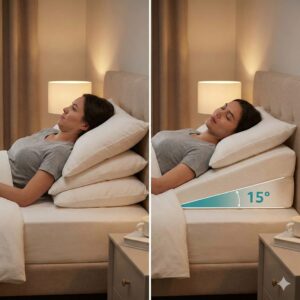
- Forget high pillows; a 15-degree gentle incline from your lower back to your head is the only way to physically keep acid down during sleep.
Why Is My Chest Still Burning Despite the Pills?
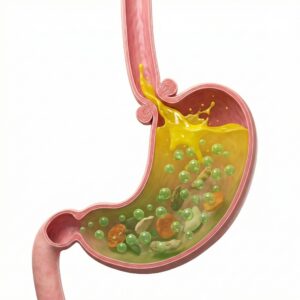
Halfway through last month, I was frustrated. I was popping antacids like candy, but the “rebound” pain was getting worse. I started digging into recent clinical data and stumbled upon a shocker: as we age, our stomachs often produce too little acid, not too much.
When you lack enough acid, food sits in your stomach and starts to ferment. This creates gas, which builds up pressure (intra-abdominal pressure) and pushes what little acid you have back up into your esophagus. I was shocked to learn that by taking antacids, I was actually making my digestion worse and fueling the gas pressure. That “heart-dropping” sensation I felt? It was my body screaming for better digestion, not less acid.
The “Medication Trap”: Why Am I Suddenly So Tired?
During my struggle last month, I noticed I was getting frequent leg cramps and felt utterly drained. I thought it was just lack of sleep. Nope. It was the “Side Effect Trap” of long-term PPI (Proton Pump Inhibitor) use.
Stomach acid is vital for absorbing Magnesium, Calcium, and Vitamin B12. By suppressing my acid for weeks, I was accidentally starving my body of these nutrients. The leg cramps and eye twitches were signs of Magnesium deficiency, and the brain fog was classic B12 depletion. I learned the hard way that relying solely on “acid blockers” is like putting a band-aid on a broken pipe. 🧪
| Nutrient | Symptoms of Deficiency (Low Acid) | Cooldy’s Practical Tip |
| Magnesium | Muscle cramps, eye twitching, insomnia | Consider a supplement if on long-term meds |
| Vitamin B12 | Chronic fatigue, memory issues, anemia | Focus on restoring natural gut pH |
| Calcium | Bone density loss, joint aches | Acid is required to ionize calcium for absorption |
Stop Propping Up Your Head—Prop Up Your Torso
The nighttime burn was the hardest part. Everyone told me, “Sleep on your left side!” I did, but then my shoulder started killing me. Then I tried stacking three pillows, which just gave me a stiff neck and made my breathing feel constricted.
The “Eureka” moment came when I tried a wedge incline. It’s not about the head; it’s about the slope. By creating a 15 to 20-degree incline starting from your mid-back, you use gravity to keep the stomach contents where they belong. Since I started using a wedge setup at the end of last month, I haven’t woken up with that “acid throat” once. 🛌
The Coffee Compromise: What You Need to Know
I’m a coffee lover. Telling me to quit caffeine felt like a death sentence. But last month, I found a middle ground: Cold Brew.
Cold brew is steeped without heat, resulting in a much lower acid profile than traditional hot coffee. It’s significantly gentler on the stomach lining. The key? Never drink it on an empty stomach. Always have a little something first.
However, there is one “healthy” trigger I had to banish: Peppermint. While it feels “cooling,” peppermint actually relaxes the esophageal sphincter—the very valve we need to keep shut! If you want a soothing drink, skip the mint and go for Ginger tea. The gingerol in it helps move food out of the stomach faster, reducing that reflux-causing pressure. 🍵
Cooldy’s 3-Step “Miracle Routine” (Tested & Proven)
Here is exactly what I did last month to reclaim my life:
- The 15-Minute Gum Hack: Chew sugar-free gum after every meal. This increases saliva flow by up to 300%. Saliva is alkaline and acts as a natural buffer that washes the esophagus clean.
- The Apple Cider Vinegar (ACV) Ritual: If you feel heavy and bloated after eating (a sign of low acid), try one tablespoon of raw ACV in a large glass of water before meals. It sounds crazy to add acid, but for many, it’s the missing key to proper digestion. (Note: Skip this if your esophagus is currently raw/sore). 🍎
- Diaphragmatic Breathing: Your diaphragm is the external support for your esophageal valve. Spending 5 minutes a day on “belly breathing” strengthens this muscular seal.

How Was Your Last Night?
Acid reflux isn’t just about “bad luck”; it’s a signal that your body’s digestive balance is off. Last month taught me to stop fighting my symptoms and start listening to the cause.
Forget the generic advice for a moment—what has actually worked for you? Or what’s the one symptom that’s keeping you up at night? Drop a comment below, and let’s figure this out together. We all deserve a night of sleep without the fire. 💬
Credible Sources for Further Reading:
👉Related Posts
How to Lower Uric Acid Naturally: Prevent Gout and Protect Your Kidney Health