❄️ When the Frost Bites: Keeping Your Heart’s Highways Smooth and Safe
Hello everyone! It’s your friendly neighborhood information hunter, Cooldy, back with some essential wisdom for the chilly season.
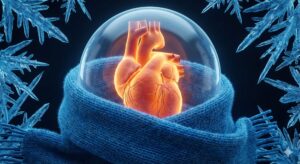
Have you noticed how the morning air has started to feel a bit sharper lately? While the frost on the windows looks like a scene from a movie, that sudden drop in temperature is actually a major signal for our bodies to go into “defense mode.” Specifically, our blood vessels—those incredible highways that deliver life-sustaining oxygen to every corner of our being—start to feel the pressure.
I’ve spent the last few days digging through health journals and expert advice to figure out why winter is so tough on our hearts and, more importantly, what we can do to stay vibrant and energetic until spring. You don’t need to be a doctor to understand this; I’ve broken it all down into simple, cozy advice you can use today!
🛑 The Science of the “Squeeze”: Why Cold Weather Affects Your Flow
Think about a garden hose left outside in the winter. The rubber gets stiff, right? Our blood vessels react similarly to the cold, but with an added twist. When our skin feels the chill, our brain sends a message: “Quick! Save the heat!” To prevent heat from escaping, our blood vessels undergo something called vasoconstriction.
💡 Cooldy’s Dictionary: Vasoconstriction
This is just a fancy word for “narrowing.” Imagine a wide four-lane highway suddenly merging into a single lane. The number of cars (your blood) stays the same, but the road gets smaller. This naturally increases the pressure against the walls of the “road.”
For many of us, this sudden spike in blood pressure can be a bit of a shock to the system. If there’s already some “traffic jam” material (like cholesterol) in the vessels, that narrow lane becomes even harder to navigate. This is exactly why we hear more stories about heart issues during the winter months. But don’t worry—knowledge is power, and we’re going to learn how to keep those lanes wide open!
👟 The “Morning Trap”: Rethinking Your Winter Exercise Routine
We’ve all been told that “the early bird catches the worm,” and many of us take pride in our 6:00 AM walks. However, in the dead of winter, that “worm” might actually be a health risk.
When we first wake up, our internal “activation system” (the sympathetic nervous system) kicks into gear, which naturally raises our blood pressure a little bit. If you step out of a warm bed and straight into 30°F (-1°C) air, you’re giving your heart a double-whammy of stress.
How to move safely when the mercury drops:
- The 10 AM Rule: If possible, wait until the sun is high and the air has warmed up a bit. The period between 10 AM and 2 PM is usually the safest window for outdoor activity.
- Warm Up… Indoors: Don’t start your exercise the moment you hit the pavement. Do 10 minutes of light stretching or marching in place in your warm living room first. This gets the blood flowing gradually.
- The Power of Layers: Instead of one heavy coat, wear several thin layers. This traps warm air between the fabric. Most importantly, wear a hat and a scarf. We lose a huge amount of body heat through our heads and necks, and keeping the neck warm helps prevent the vessels leading to the brain from shrinking.
- Listen to Your Breath: If the air is so cold it hurts to breathe, wrap your scarf loosely over your mouth. This warms the air before it hits your lungs and shocks your chest.
🍽️ The “Vessel Cleaners”: What to Put on Your Plate
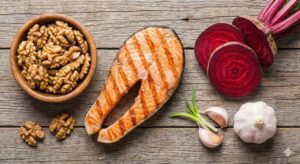
They say we are what we eat, and when it comes to blood flow, your kitchen is your best pharmacy! Here are three “superstar” ingredients that act like a cleaning crew for your arteries.
🐟 1. Omega-3: The Natural Lubricant
Think of Omega-3 fatty acids as the “high-quality oil” for your engine. Found in fatty fish like salmon, mackerel, and sardines, these healthy fats help lower “bad” cholesterol and keep your blood from getting too “sticky.”
- Cooldy’s Tip: If you’re not a fan of fish, walnuts and chia seeds are great plant-based alternatives!
🧄 2. Garlic and Onions: The Flavorful Protectors
Garlic contains a compound called Allicin, which is famous for helping blood vessels relax and dilate (get wider). Onions are rich in Quercetin, an antioxidant that helps prevent the “rusting” (oxidation) of your blood vessels.
- Cooldy’s Tip: Let chopped garlic sit for 10 minutes before cooking it; this “activates” the healthy compounds!
🥗 3. Beets: The Purple Powerhouse
Beets are rich in natural nitrates. Now, don’t confuse these with the bad nitrates in processed meats! These plant nitrates turn into Nitric Oxide in your body, which tells your blood vessels to relax and open up wide.
- Cooldy’s Tip: Try roasting them with a bit of olive oil or blending a small piece into a fruit smoothie. The color is beautiful, and your heart will thank you!
🚨 Recognizing the “Silent Alarms”: Don’t Ignore These Signs!
The tricky thing about our heart and vessels is that they don’t always “hurt” in the way a stubbed toe does. Sometimes the signals are subtle. In winter, we often dismiss these signs as “just the flu” or “the winter blues.” Let’s learn to listen better.
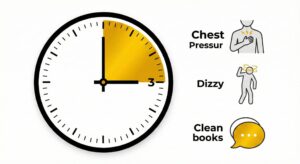
The “Big Four” Warning Signs:
- That “Elephant” Feeling: It might not be a sharp pain. It could feel like an elephant is sitting on your chest, or just a strange tightness that doesn’t go away when you rest.
- Sudden Dizziness: If the room starts spinning or you feel faint while doing something simple like walking to the mailbox, your heart might be struggling to pump blood against the cold-constricted vessels.
- One-Sided Weakness: This is a big one. If you suddenly find that one arm feels heavy or your face feels “droopy” on one side, this is a medical emergency.
- Word Salad: If you find yourself struggling to find simple words or your speech sounds slurred (like you’ve had too much to drink, even though you haven’t), your brain needs help immediately.
⏰ The Golden Time Rule
When it comes to the heart or brain, time is muscle. Getting to a hospital within 3 hours (the “Golden Time”) can make the difference between a full recovery and long-term struggle. If something feels “off,” don’t wait until tomorrow. Call for help!
🛁 Cozy Habits for Healthy Flow
Beyond food and exercise, our daily “at-home” habits can either help or hurt our circulation.
- The Shower Shock: Many of us love a steaming hot shower when it’s freezing outside. However, stepping out of a 104°F (40°C) shower into a 68°F (20°C) bathroom causes a massive, sudden spike in blood pressure.
- Solution: Use lukewarm water and keep the bathroom warm. Dry off completely and put on a robe before you open the bathroom door.
- The Hydration Mystery: We don’t feel thirsty in the winter because we aren’t sweating. But the air is dry, and we lose water just by breathing! When you’re dehydrated, your blood becomes thicker and harder to pump.
- Solution: Keep a thermos of warm herbal tea or lemon water nearby. Aim for at least 6-8 glasses a day, even if you don’t feel “thirsty.”
- Humidity Matters: Heating systems dry out the air, which can stress your respiratory system and, indirectly, your heart.
- Solution: Use a humidifier or simply hang a wet towel near the radiator to keep the air moist. Your skin and your heart will both feel better!
✨ Wrapping Up: Your Winter Success Plan
We’ve covered a lot of ground today! From understanding why our vessels “shrink” in the cold to choosing the right foods and the safest times to move.
The most important thing I want you to remember is that you are the expert on your own body. These tips aren’t about living in fear of the winter; they are about giving your body the tools it needs to enjoy the season to the fullest.
Imagine your blood vessels as a calm, flowing river. By staying warm, eating well, and moving mindfully, you’re making sure that river stays clear of ice and obstructions all winter long.
Take it one step at a time. Maybe today you try adding some garlic to your dinner, and tomorrow you decide to move your walk to the afternoon. These small changes add up to a very long, very healthy life.
Stay warm, stay hydrated, and most importantly, stay happy! I’ll be here gathering more tips for our next chat. You’ve got this!
Reliable Sources for Further Reading
- American Heart Association – Cold Weather and Cardiovascular Disease
- Harvard Health – How cold weather can target your heart
- CDC – Prevent Heart Disease
👉 Related Posts
Don’t Just Warm Your Knees! 5 Counterintuitive Ways to Save Your Joints This Winter
Night Leg Cramps and Swelling? Boost Your Blood Circulation by Activating Your “Second Heart”
🚨Warning Sign: Angina Symptoms, Self-Diagnosis, and 5 Essential Habits for a Healthier Heart