Hello everyone! It’s your friendly health explorer, Cooldy, here! 😊
Have you noticed how many people are out walking these days? Whether it’s a stroll in the park or a brisk walk around the neighborhood, walking is arguably the most popular exercise in the world. We’ve all heard that “10,000 steps a day keeps the doctor away.” But let me ask you a question: Have you ever felt like you’re walking miles every day, yet your legs don’t feel any stronger, or your energy levels aren’t quite where you want them to be?
I used to be in the same boat. I thought just moving my feet was enough. But after diving into some fascinating recent research, I discovered that simply “strolling” might help maintain your current state, but it doesn’t do much to actually improve your fitness or build the muscle we need as we get older.
Today, I’m so excited to share a game-changing method called ‘3-Minute Interval Walking.’ Developed by Professor Hiroshi Nose at Shinshu University Graduate School of Medicine after over 20 years of research on thousands of people, this isn’t just a trend—it’s science. The best part? You can get better results in just 15 to 30 minutes than you would from an hour of regular walking. Let’s dive into how you can transform your daily walk into a fountain of youth!
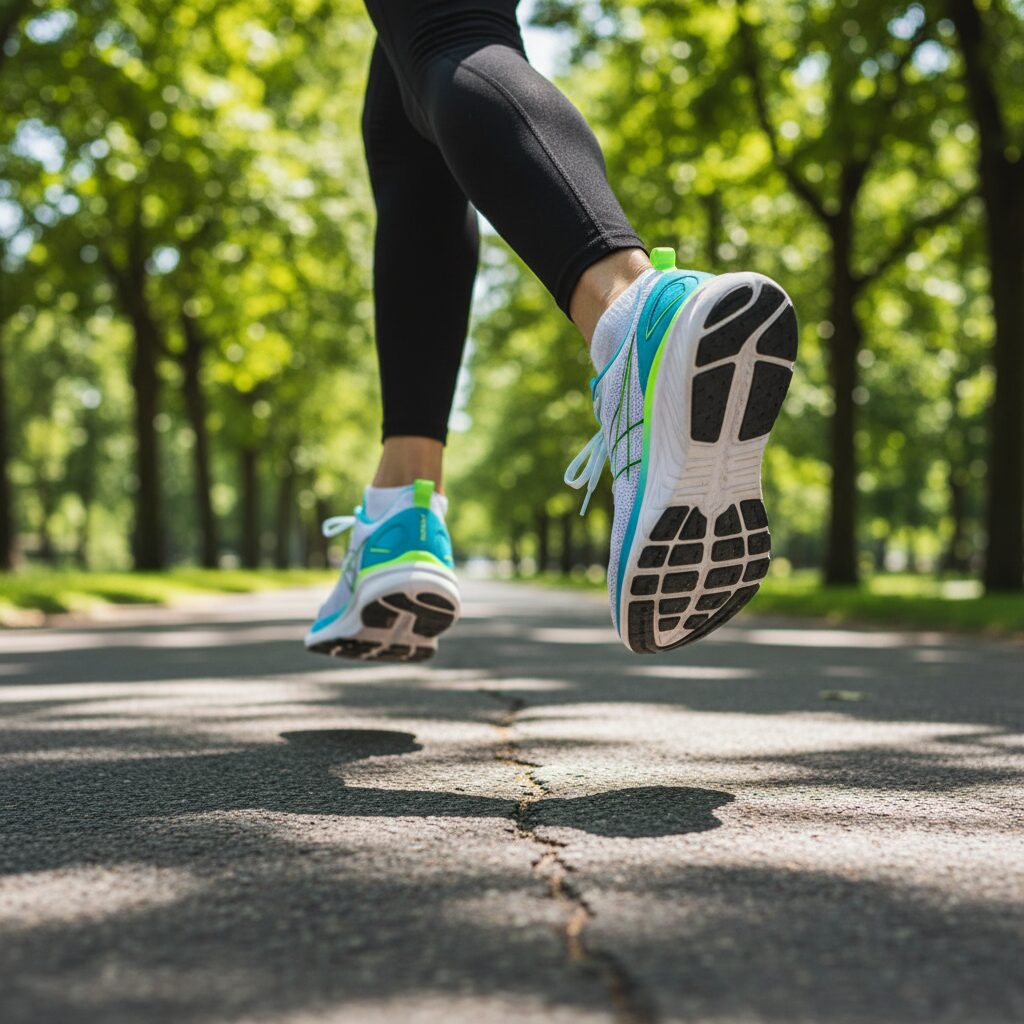
The Secret Sauce: Why ‘Interval’ Matters
So, what’s the big difference? Regular walking is usually a ‘low-intensity’ exercise. It’s great for clearing your head, but it doesn’t push your heart or muscles hard enough to trigger significant change.
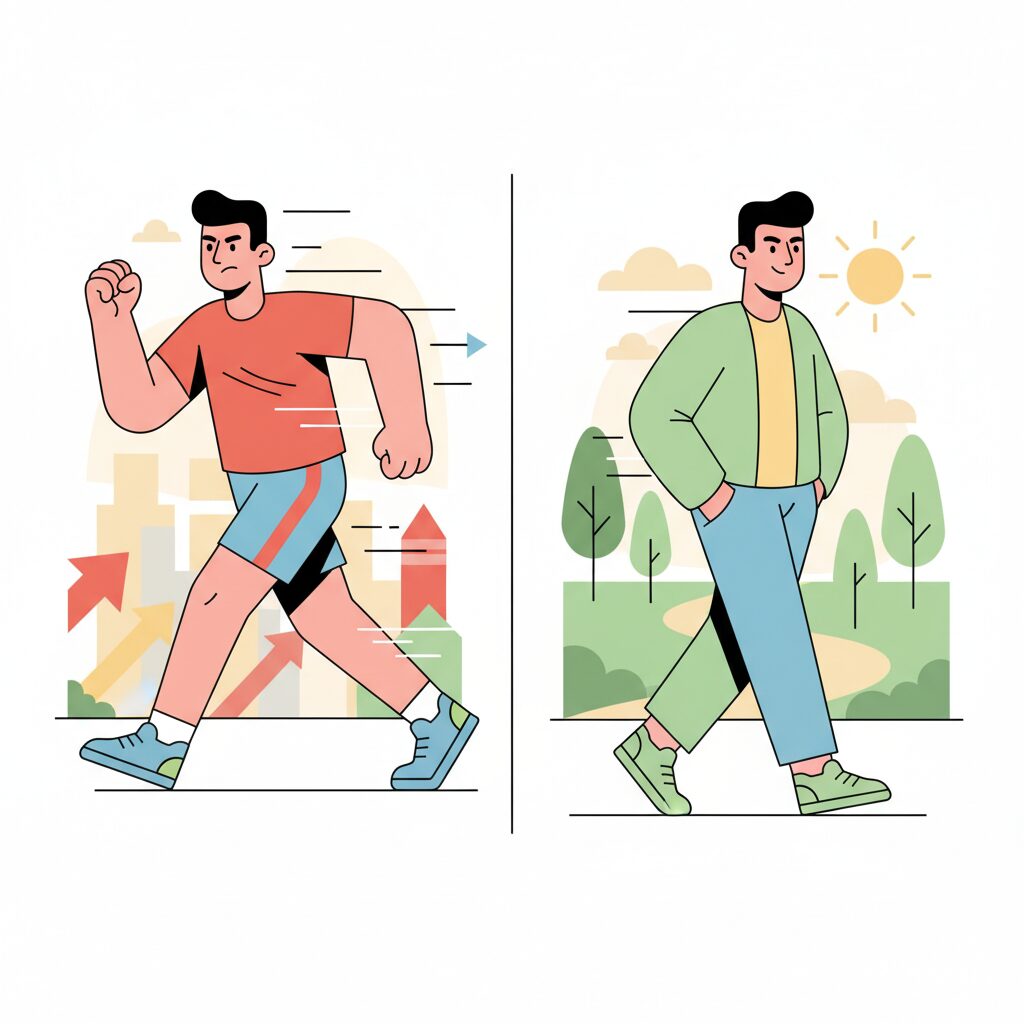
Interval Walking is beautifully simple: You alternate between 3 minutes of ‘fast walking’ and 3 minutes of ‘slow, relaxed walking.’ By switching gears like this, you’re essentially “surprising” your body. Your muscles and blood vessels have to work harder to adapt to the sudden change in pace. Think of it like revving a car engine occasionally to keep the pipes clean and the battery charged, rather than just idling in the driveway.
Why Exactly 3 Minutes?
You might wonder, “Why not 1 minute or 10 minutes?” Professor Nose’s research found that 3 minutes is the ‘sweet spot.’ It’s long enough to put a healthy stress on your muscles and aerobic system, but short enough that most people can push themselves without giving up.
Repeating this cycle just 5 times (totaling 30 minutes) has been shown to increase muscle strength by up to 10% and significantly lower blood pressure in just a few months. It’s like a natural medicine for your vascular system!
Step-by-Step: How to Master the 3-Minute Method
Ready to try it? You don’t need fancy gym equipment—just a pair of comfortable shoes and a watch or a phone timer.
1. The Warm-Up (5 Minutes)
Never jump straight into a sprint! Spend five minutes walking at your normal pace and doing some light stretches to wake up your joints and get the blood flowing.
2. The ‘Fast Walk’ Phase (3 Minutes)
This is where the magic happens. You need to walk at a pace where you feel “slightly out of breath.” You should still be able to talk, but singing a song would feel difficult. Swing your arms and take slightly larger steps than usual.
- Note: Taking larger strides (about 1-2 inches more) helps engage your ‘fast-twitch’ muscle fibers, which are crucial for balance and power.
3. The ‘Slow Walk’ Phase (3 Minutes)
Don’t stop! Just slow down significantly. Imagine you’re taking a leisurely stroll through a garden. This phase allows your heart rate to recover and clears out the metabolic waste from the fast phase.
4. The Cycle
Repeat this 3-fast/3-slow cycle 5 times. If you’re just starting out, don’t pressure yourself. Start with 2 or 3 cycles and work your way up. Consistency is much more important than intensity on day one!
Posture is 50% of the Workout
If you walk with poor form, you might end up with a sore back instead of stronger legs. Here is the checklist for the perfect interval walk:
- Eyes on the Horizon: Don’t look at your feet! Look about 10 to 15 yards ahead. This keeps your neck aligned and your airway open.
- Chest Out, Shoulders Down: Keep your chest proud and your shoulders relaxed. This allows your lungs to expand fully so you can get more oxygen to those hard-working muscles.
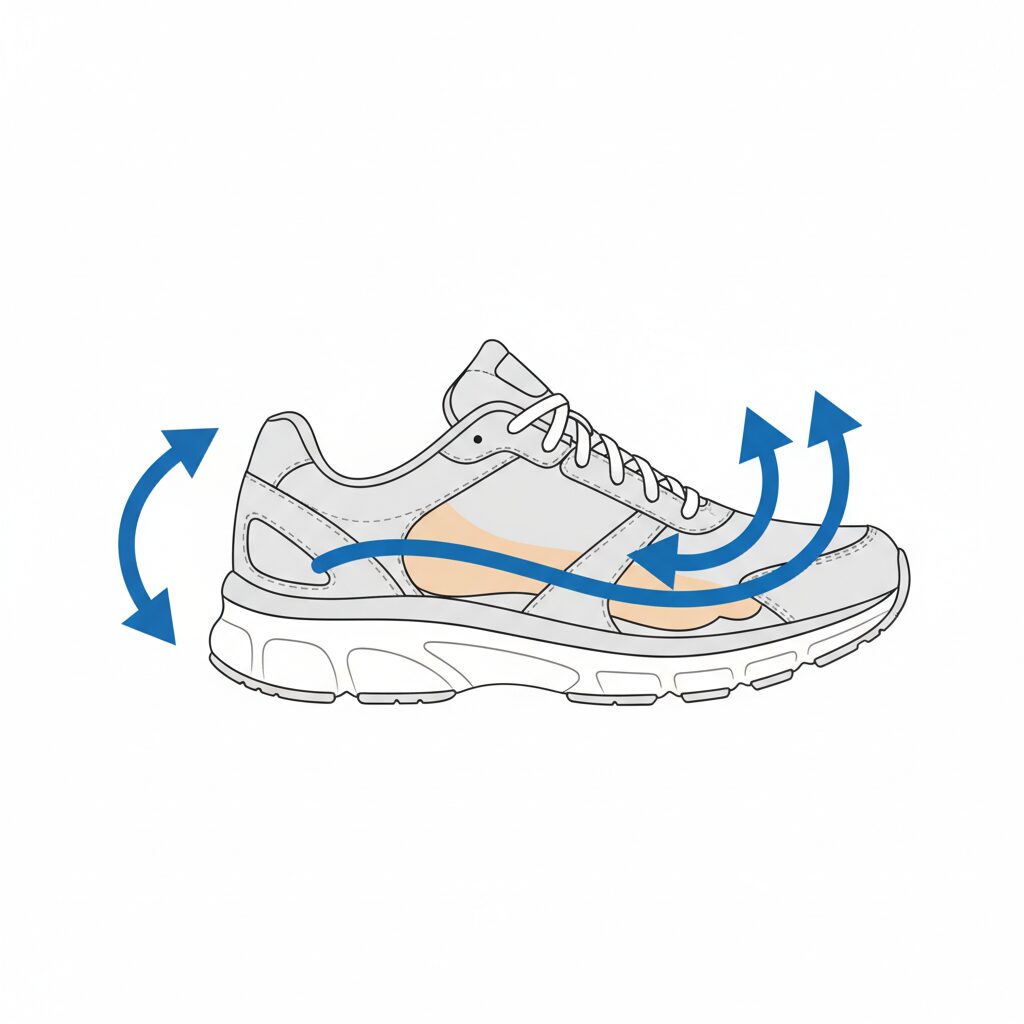
- The Heel-to-Toe Roll: This is vital for protecting your knees. Land on your heel, roll through the arch, and push off with your toes. Avoid “stomping” flat-footed.
- The “L” Arm Swing: Bend your elbows at a 90-degree angle (like an ‘L’) and swing them back and forth. Your legs will naturally follow the rhythm of your arms!
The Amazing Benefits You’ll Start to Feel
I did some digging into why people love this method so much, and the results are truly inspiring.
① A Metabolic Boost
Unlike slow walking, interval walking builds lean muscle in your thighs and calves. Muscle is metabolically active, meaning it burns calories even when you’re sitting on the couch! This is the secret to maintaining a healthy weight as we age.
② Blood Sugar & Pressure Control
During the fast-walking phase, your muscles act like a sponge, soaking up excess sugar from your bloodstream to use as fuel. This makes it an incredible tool for preventing or managing Type 2 Diabetes. Plus, it makes your arteries more flexible, which naturally lowers blood pressure.
③ Better Sleep and Mood
Ever feel “pleasantly tired” after a good workout? The moderate intensity of interval walking triggers the release of Serotonin, often called the “happy hormone.” It helps regulate your mood during the day and tells your brain it’s time to rest at night.
- Glossary: Serotonin is a neurotransmitter that plays a key role in mood, sleep, and digestion.

Fueling Your Progress: The Nutrition Connection
You can’t build a house without bricks, and you can’t build muscle without the right food.
1. The “Golden Window” for Protein
Try to consume some protein within 30 to 60 minutes after your walk. This is when your muscles are most “hungry” for repair. A glass of milk, a cup of Greek yogurt, or a piece of cheese is perfect.
2. Focus on Leucine
Leucine is an amino acid that acts like a “start button” for muscle growth. You can find it in soybeans, eggs, fish, and chicken.
- Glossary: Leucine (Loo-seen) is an essential amino acid that is particularly effective at stimulating muscle protein synthesis.
3. Hydration is Key
Even if it’s not a hot day, you’re losing fluids through your breath and light sweat. Drink water before you feel thirsty!
A Few Words of Caution
Before you lace up, keep these safety tips in mind:
- Listen to Your Knees: If you have severe osteoarthritis or joint pain, “fast” walking might be too much. Try the interval concept in a swimming pool or on a stationary bike instead.
- Check Your Shoes: If your sneakers are more than a year old or the soles are worn down, they won’t provide the support you need. Invest in a good pair of walking shoes—your feet will thank you!
- Consult Your Doctor: If you have a history of heart disease or haven’t exercised in a long time, it’s always best to have a quick chat with your doctor before starting a new routine.
The beauty of the 3-Minute Interval Walking method is that it’s accessible to almost everyone. You don’t need to join a gym or buy expensive gear. All you need is the willingness to push yourself for just 180 seconds at a time.
Don’t feel like you have to be perfect from the start. If you can only do one fast-walking segment today, that’s a victory! Tomorrow, maybe you’ll do two. Before you know it, you’ll be walking with more pep in your step and feeling 10 years younger.
I believe in you! Let’s get moving and reclaim our vitality, one 3-minute interval at a time.
Stay healthy and happy,
Cooldy 🌿
References & Resources
- Shinshu University Graduate School of Medicine (Prof. Hiroshi Nose’s Research): https://www.shinshu-u.ac.jp/
- Mayo Clinic – Walking: Trim your waistline, improve your health: https://www.mayoclinic.org/