Hello there! It’s Cooldy, your dedicated info-explorer. How clearly did the world look to you when you opened your eyes this morning? We often take our vision for granted, like the air we breathe. But what if one day, it felt like a dark curtain was suddenly drawn over your eyes? Today, I’m diving deep into a serious yet often overlooked condition known as an “Eye Stroke”—formally called Retinal Vein Occlusion (RVO). I’m not just here to give you the usual “watch your blood pressure” advice. I’ve gathered some surprisingly clever and recent insights that might just save your sight, so stick with me!

A Stroke in the Eye? What Exactly Is That?
We’ve all heard of a brain stroke, where blood vessels in the brain get blocked or burst, right? Well, your eye has a thin layer of nerve tissue at the back called the retina, which acts like the film in a camera. This retina is packed with tiny, delicate blood vessels. When these vessels get clogged by a clot or leakage, it’s called Retinal Vein Occlusion.
The scariest part? It’s completely painless. You won’t feel a thing. Many people simply wake up and realize their vision in one eye has vanished or become extremely foggy. It’s particularly common during season changes or cold winters when our blood pressure tends to fluctuate.
The 5-Second Self-Check: Is It Happening to You?
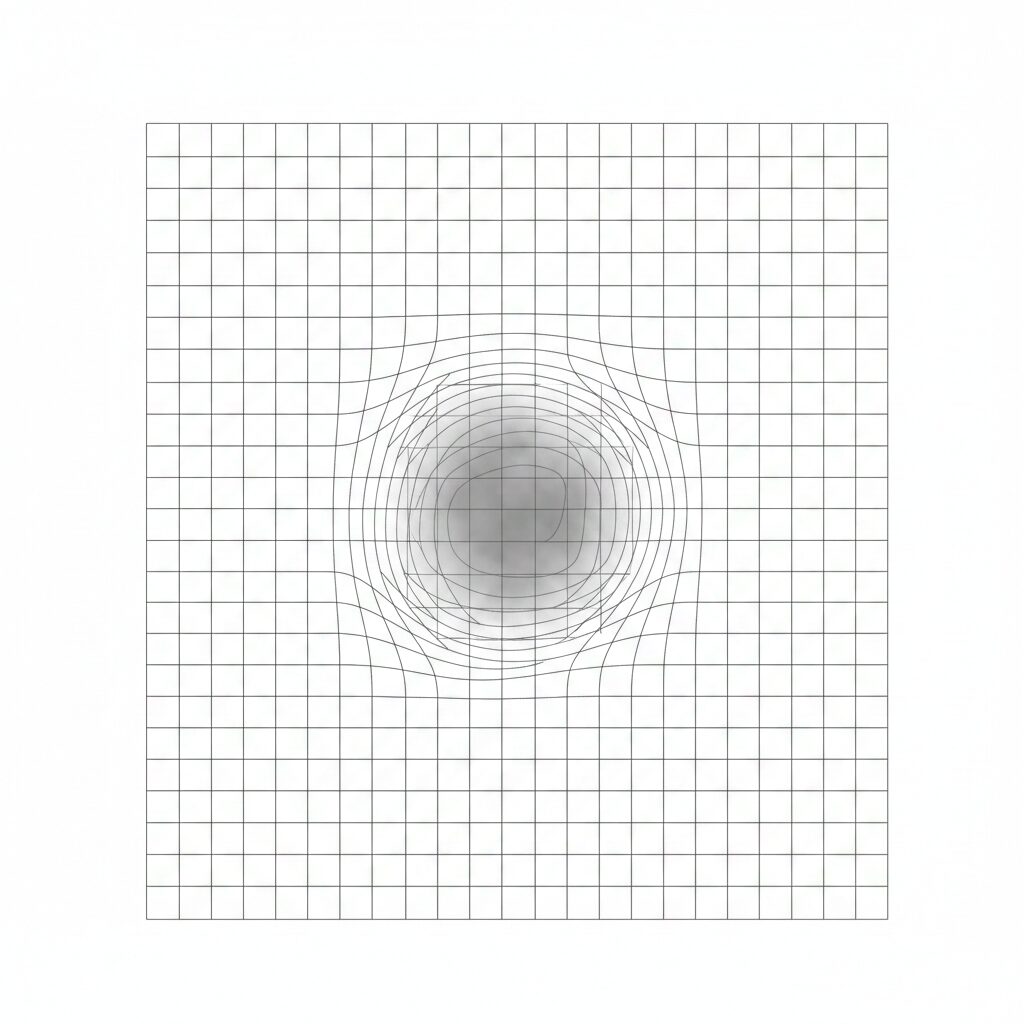
Try this right now! Cover one eye and look at a grid pattern (like floor tiles or a window frame).
- Do the straight lines look wavy or distorted?
- Are there dark patches or “missing” spots in your view?
- Do objects look smaller or larger than they actually are?
If you notice any of these, it’s not just “eye fatigue.” It’s an SOS from your blood vessels. Remember, in this situation, every minute is “Golden Time” to prevent permanent damage.
The Surprising Truth: Can Snoring and Teeth Affect Your Sight?
Here is the part most people don’t know. Recent studies have found some quirky but vital links to eye strokes:
- The Danger of “Zzz”: Severe snoring or sleep apnea causes oxygen levels in your blood to plummet. To compensate, your body forces blood vessels to dilate, putting massive pressure on those tiny retinal veins. Sleeping well isn’t just about rest; it’s about protecting your eyes!
- Gum Disease and Your Eyes: Bacteria from infected gums can enter your bloodstream and create tiny clots (thrombi). These “blood crumbs” can travel all the way up and plug the microscopic vessels in your eye. Who knew that brushing your teeth could be a vision-saving habit?
Cooldy’s “Clear Vision” Daily Routine
Here are some simple yet powerful habits to keep your retinal blood flowing smoothly.
1. Massage Your Neck, Not Your Eyes!
Many people rub their eyes when they feel pressure. However, if your retinal vessels are already weak, pressing on your eyeballs can actually cause them to burst. Instead, gently massage the sides and back of your neck. Think of it as opening the “tollgate” for blood to flow freely up to your head and eyes.
2. A Warm Glass of Water First Thing in the Morning
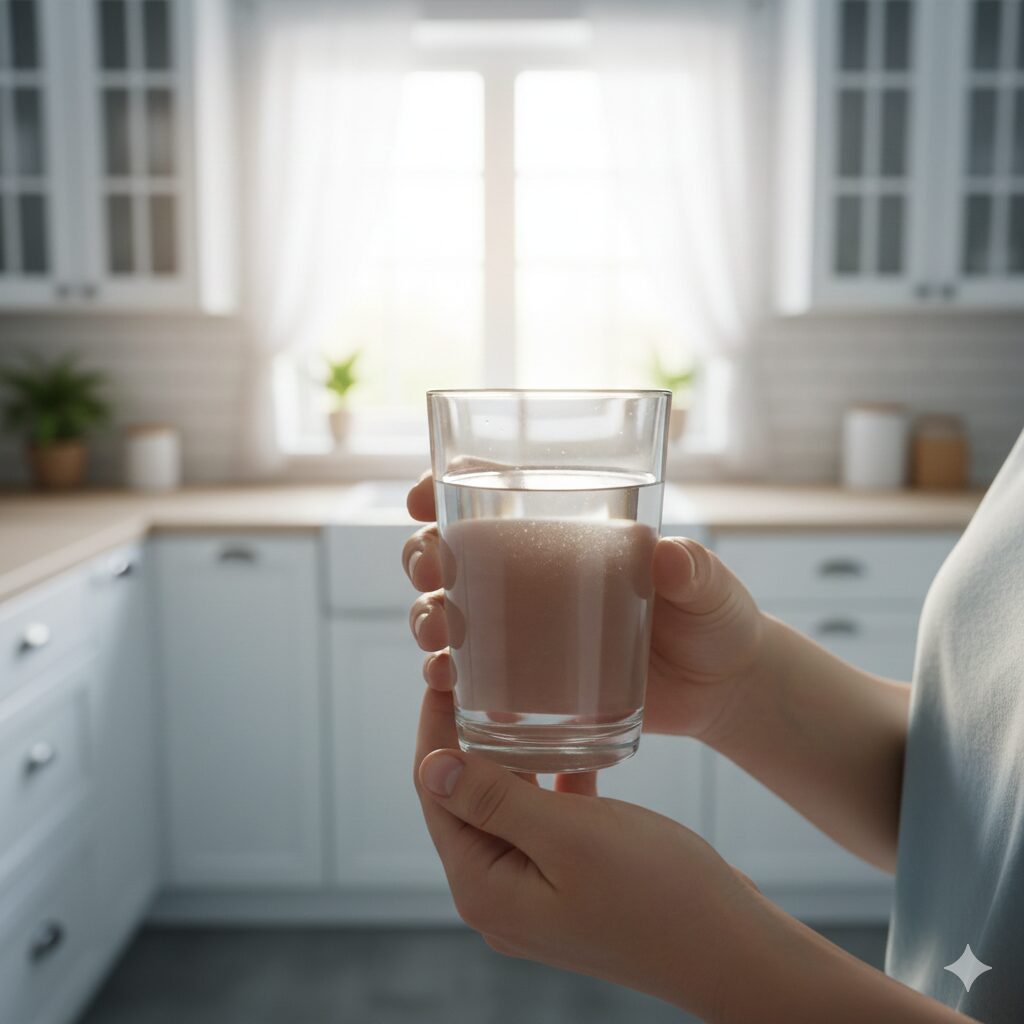
During sleep, we lose moisture and our blood becomes thicker and “stickier.” Drinking a glass of lukewarm water right after you wake up thins your blood and helps prevent clots from forming in those narrow eye vessels.
3. The Power of Purple: Beetroot and Purple Sweet Potatoes
While berries are great, the new “superstars” for eye blood vessels are beets (rich in nitrates that dilate vessels) and purple sweet potatoes (which enhance vessel elasticity). They make for a delicious and sight-saving snack!
What to Avoid: The “Upside Down” Danger
Be careful with your workout routine. If you have high blood pressure, using “inversion tables” (where you hang upside down) or doing certain yoga headstands can be risky. The sudden rush of pressure to the head can cause fragile retinal vessels to snap. Stick to brisk walking or light hiking—they are much safer for your eyes.

Final Thoughts: Your Eyes Only Give You One Chance
Retinal Vein Occlusion is tough because once the nerves are damaged, it’s very hard to bring them back to 100%. That’s why prevention is truly the only cure.
Let’s recap:
- Sudden vision changes? Go to the ER immediately, even if it doesn’t hurt!
- Take snoring and dental hygiene seriously—they affect your eyes.
- Keep the blood flowing by hydrating and moving your body safely.
I truly hope your eyes stay bright and clear so you can enjoy all the beautiful things life has to offer. Don’t wait until tomorrow—check in with your health today. Cooldy is always rooting for you!
Reference Sites
- Mayo Clinic: Retinal Vein Occlusion (https://www.mayoclinic.org)
- American Academy of Ophthalmology (https://www.aao.org)