Hello there! I’m Cooldy, your friendly information hunter. Do you find yourself waking up once or twice every night to use the bathroom lately? Or do you find yourself scouting for the nearest restroom as soon as you step outside just to feel at ease? While many of us laugh it off as “just a part of getting older,” it can actually be quite exhausting and might be a ‘distress signal’ from our bodies.
Today, I’ve prepared an in-depth guide on how to check your urinary health from the comfort of home, along with some fascinating historical tidbits and life-changing tips. This is packed with enough information to fill several pages, so let’s take a look together, shall we?
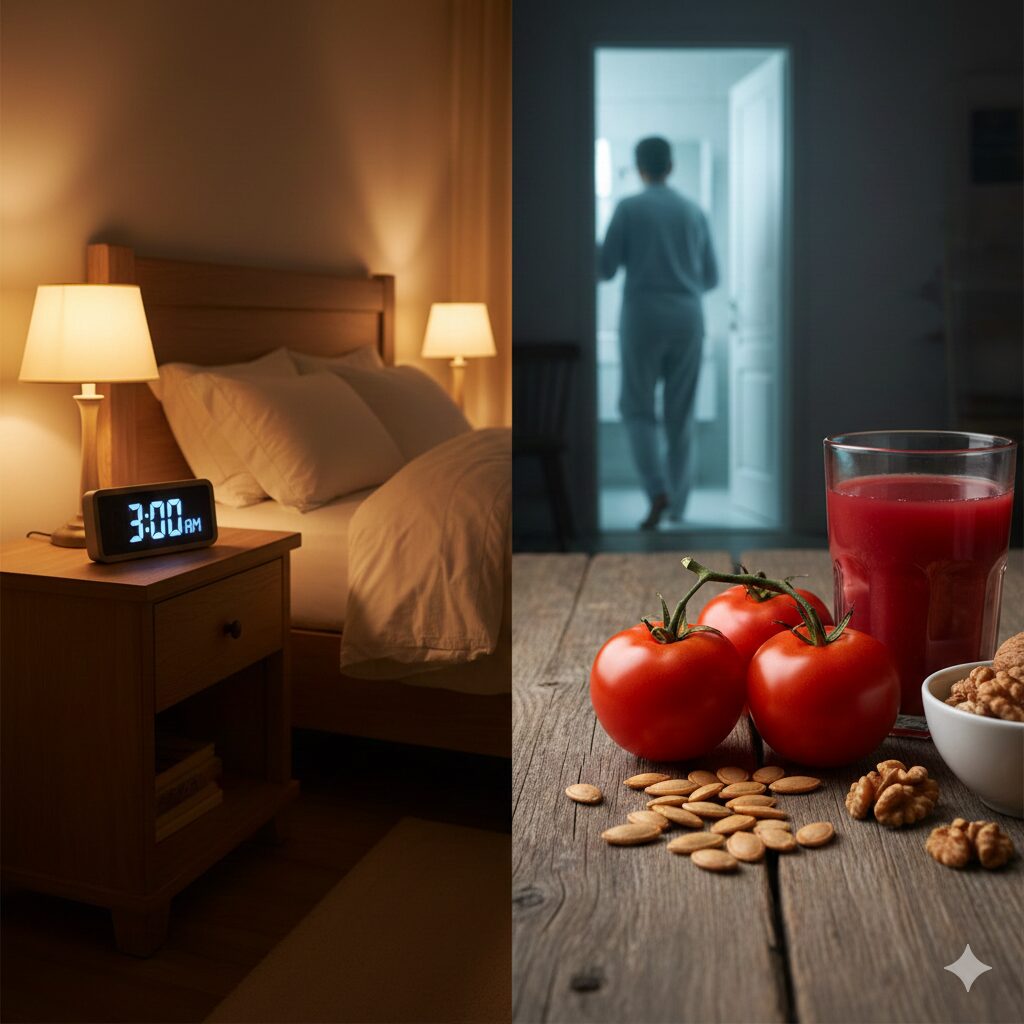
📢 Why You Shouldn’t Ignore Your Bladder’s Signals
The urinary discomfort we often face generally falls into two categories: prostate issues for men and incontinence issues for women. The prostate is a walnut-sized organ found only in men. As men age, it can enlarge and press against the urethra—a condition known as Benign Prostatic Hyperplasia (BPH). On the other hand, women often experience incontinence when the pelvic floor muscles supporting the bladder weaken due to childbirth or aging, leading to involuntary leaking.
Beyond the mere inconvenience, frequent trips to the bathroom ruin your sleep quality. Since poor sleep is linked to higher risks of cardiovascular disease and even dementia, catching these early signs is vital!
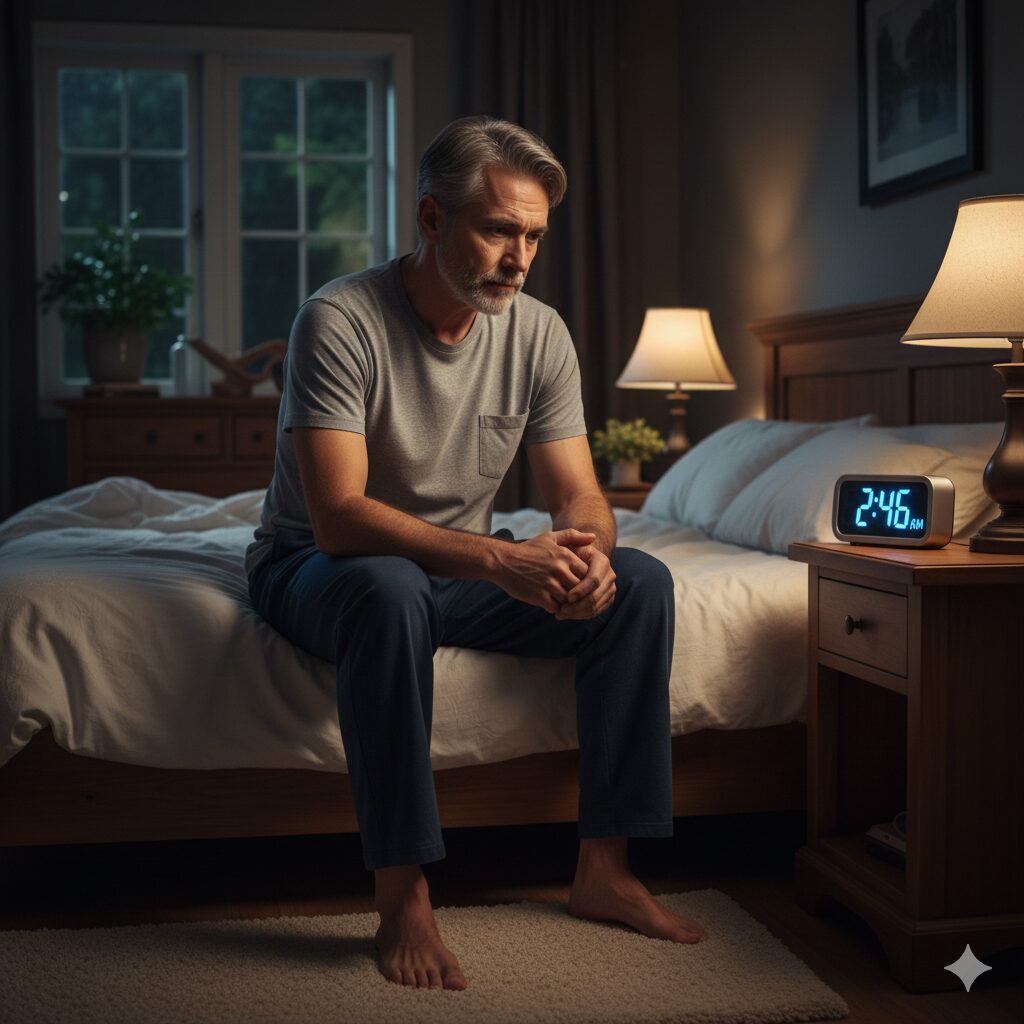
🧐 Fun Fact: “Even Roman Emperors Suffered?”
Did you know that urinary issues are as old as human history? Records suggest that even ancient Roman Emperors tossed and turned at night due to enlarged prostates. Interestingly, in some ancient cultures, holding your urine was seen as a test of endurance! However, modern medicine tells us that holding it in is definitely not the answer.
Also, have you ever heard the phrase “The bladder has a personality”? Some bladders are incredibly “shy” or sensitive, screaming to their owners, “Emergency! I need to go now!” even when they are barely full. Medically, this is called an ‘Overactive Bladder.’ It’s quite interesting to check if your bladder has become a bit of a “sensitive soul” lately, isn’t it?
📝 [Checklist] How Healthy is Your Bladder and Prostate?
Now, let’s go through some questions. Count how many apply to you. If it’s more than three, it might be time to start taking better care of yourself!
- Incomplete Emptying: Feeling like there’s still urine left even after finishing.
- Frequency: Needing to go again less than 2 hours after your last visit.
- Intermittency: The urine stream stops and starts several times.
- Urgency: Finding it difficult to postpone urination; feeling like you must go immediately.
- Weak Stream: The flow is noticeably thinner and weaker than it used to be.
- Stress Incontinence: Leaking a bit when sneezing, laughing loudly, or lifting something heavy.
- Nocturia: Waking up 2 or more times during the night to urinate. (Once is generally considered normal, but twice is a signal!)
Cooldy’s Glossary:
- Nocturia: The medical term for waking up during the night because you have to urinate. It is a major thief of deep, restorative sleep.
- Pelvic Floor Muscles: These are the ‘hammock-like’ muscles that support your internal organs.

🥗 Eat Your Way to Health: Surprising Foods for Your Bladder
Small changes to your dining table can make a big difference. Here is some deeper insight into what you should be eating.
1. Tomatoes (Don’t just eat them raw—’Sauté’ them!)
Lycopene in tomatoes helps prevent oxidation in prostate cells. However, lycopene is fat-soluble, so cooking them with a bit of olive oil can increase your body’s absorption rate by more than four times. How about some stir-fried tomatoes and eggs for breakfast?
2. Pumpkin Seeds and ‘Delta-7-Sterol’
Many know pumpkin seeds are good for urination, but do you know why? They contain ‘Delta-7-sterol,’ a compound that specifically helps inhibit prostate enlargement. In Germany, pumpkin seeds are highly recommended as a supportive treatment for BPH.
3. Chinese Yam (Nagaimo) – The Root of Strength
Known as the ‘Eel of the Mountain,’ Chinese Yam strengthens kidney function and improves bladder control. It has been a beloved traditional remedy for frequent urination for centuries.

💪 The ‘5-Minute Bladder Training’ You Can Do Anywhere
Exercise doesn’t have to be grand. Here are simple routines you can do while watching TV or waiting for the bus.
First, the ‘Real’ Kegel Exercise
It’s not just about squeezing your glutes. You need to contract the pelvic floor muscles—the ones you use to stop the flow of urine. Slowly tighten and lift for 5 seconds, then slowly release for 5 seconds. Repeat 10 times. The key is not to hold your breath!
Second, Playing ‘Mind Games’ with the Restroom
Sometimes, the urge to go is just a false signal from the brain. Try to wait just 5 more minutes, then 10 minutes when you feel the urge. This is called ‘Bladder Retraining,’ and it helps increase the amount of urine your bladder can comfortably hold. (Note: Don’t do this if you have a UTI!)

💡 A Secret Tip: The ‘Leg Edema’ Connection
Here is a fascinating tip I found during my research! Did you know that swelling in your calves can cause nocturia? Gravity pulls fluid to your legs during the day. When you lie down at night, that fluid returns to your bloodstream, goes through your kidneys, and turns into urine. Simply taking a walk during the day or wearing compression stockings to reduce leg swelling can actually decrease the number of times you wake up at night! Isn’t that amazing?

⚠️ Important Cautions to Remember
Finally, here are a few red flags and habits to keep in mind:
- Watch Late-Night Fruit: Water-heavy fruits like watermelon are major culprits for nighttime bathroom trips. Try to eat them during the day!
- Caffeine is the Bladder’s Enemy: Caffeine is a stimulant that irritates the bladder. I recommend switching to decaf after 3 PM.
- Sudden Weight Loss or Pain: If urinary issues are accompanied by unexplained weight loss or back pain, please see a doctor immediately, as it may be something more serious than simple enlargement.
How did you find our deep dive into urinary health? It might feel a bit embarrassing at first, but it’s a common concern for all of us. Don’t be shy—start managing your health today with the checklist and diet tips I’ve shared. I, Cooldy, am truly rooting for your nights to be peaceful and your days to be vibrant!
If you have any questions, feel free to leave a comment. Let’s all stay healthy and happy!
Reliable Sources:
- American Urological Association (https://www.auanet.org)
- Mayo Clinic – Urology (https://www.mayoclinic.org)
- National Institute on Aging (https://www.nia.nih.gov)