Hello, this is Cooldy! 😊
Today, I want to talk about Stomach Cancer (Gastric Cancer), a critical health issue, particularly in Asian countries. Have you been feeling bloated or experiencing frequent indigestion lately? Most people tend to dismiss these symptoms as minor dyspepsia or stress-related gastritis, often reaching for an over-the-counter antacid. However, stomach cancer is sometimes called a “silent cancer” because in its early stages, it often shows no symptoms, or only mild ones that are difficult to distinguish from common digestive issues.
I’ve personally heard regrettable stories about people wishing they had known sooner. The good news is that when stomach cancer is detected early, the cure rate is very high. Therefore, it is crucial to recognize these easily missed early signs and adopt small, healthy habits to protect your stomach. I’ve thoroughly researched the key information, from early symptoms to preventive diets, and I’ll explain it all simply for you!
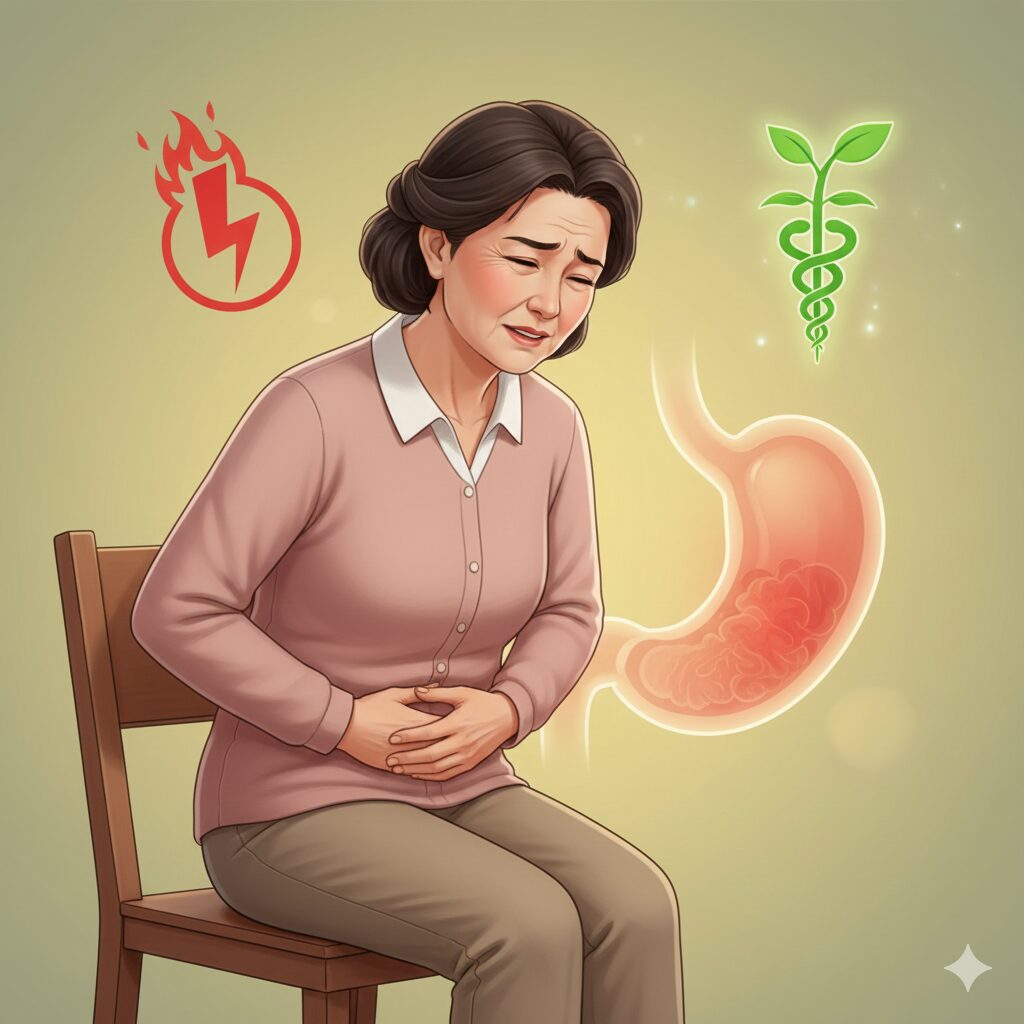
🔍 5 Early Symptoms of Stomach Cancer Often Mistaken for Simple Indigestion
When stomach cancer is in the early stage (meaning the cancer cells are confined to the inner lining of the stomach wall), about 80% of cases are asymptomatic. However, if the following symptoms persist or recur differently than usual, you should pay close attention.
1. Upper Abdominal Discomfort or Pain
This is the most common symptom. You might feel a dull, heavy discomfort or sometimes mild pain around the pit of the stomach (epigastrium). Since it feels similar to the common discomfort of poor digestion, it’s often overlooked. If this pain persists despite taking digestive aids, or if it recurs without a clear reason, it’s best to consult a specialist.
2. Heartburn and Dyspepsia (Bloating)
Recurring heartburn or bloating after meals is a key indicator. You may also feel full quickly (early satiety) regardless of the amount of food eaten, or experience frequent belching and a feeling that your stomach hasn’t fully emptied. Loss of appetite may also accompany these symptoms.
3. Unexplained Weight Loss and Fatigue
If you experience significant weight loss without changes in your diet or exercise habits, it could be a warning sign. Additionally, chronic fatigue—feeling unusually tired and lacking energy despite normal activity—can also be a symptom, as cancer cells consume the body’s energy reserves.
4. Nausea and Vomiting
If the cancer progresses and blocks the stomach’s outlet, food may not pass through properly, leading to reflux or vomiting. This might start as mild nausea but can progress to frequent vomiting after meals.
5. Black Stools (Melena) and Anemia
Bleeding from the cancerous tissue, when mixed with digestive fluids, can cause the stool to turn black. If you notice black, sticky stools (known as melena 🧐), you should suspect gastrointestinal bleeding. Persistent bleeding can lead to anemia, causing symptoms like dizziness and paleness.
💡 Cooldy’s Comment
The cure rate for stomach cancer significantly drops if it progresses to an advanced stage. If the symptoms listed above last for more than 2-3 weeks, or do not improve with medication, please do not dismiss them! Book an appointment for an endoscopy immediately.
🌱 Small Lifestyle Habits for a Healthy Stomach
Stomach cancer is closely linked to lifestyle habits. Here are the core habits Cooldy has investigated that can significantly lower your risk of stomach cancer. You can start practicing these today!
1. Reduce Salty and Spicy Foods (Practice a Low-Sodium Diet)
One major reason for the high incidence of stomach cancer in certain populations is the habit of consuming salty foods. High salt intake damages the stomach lining and causes inflammation, increasing cancer risk.
- Tip for Action: Focus on eating the solid ingredients rather than the broth/soup. Check the sodium content of processed or instant foods.
2. Eat Plenty of Fresh Fruits and Vegetables
Foods rich in antioxidants such as Vitamin C, Vitamin E, and Beta-Carotene help protect the stomach lining and neutralize free radicals that can cause cancer.
- Recommended Foods: Broccoli, Cabbage (rich in Vitamin U, excellent for protecting the stomach lining), Garlic, Tomatoes, Spinach, and Citrus fruits. Steaming cabbage slightly makes it easier to digest.
3. Eradication Therapy for Helicobacter Pylori
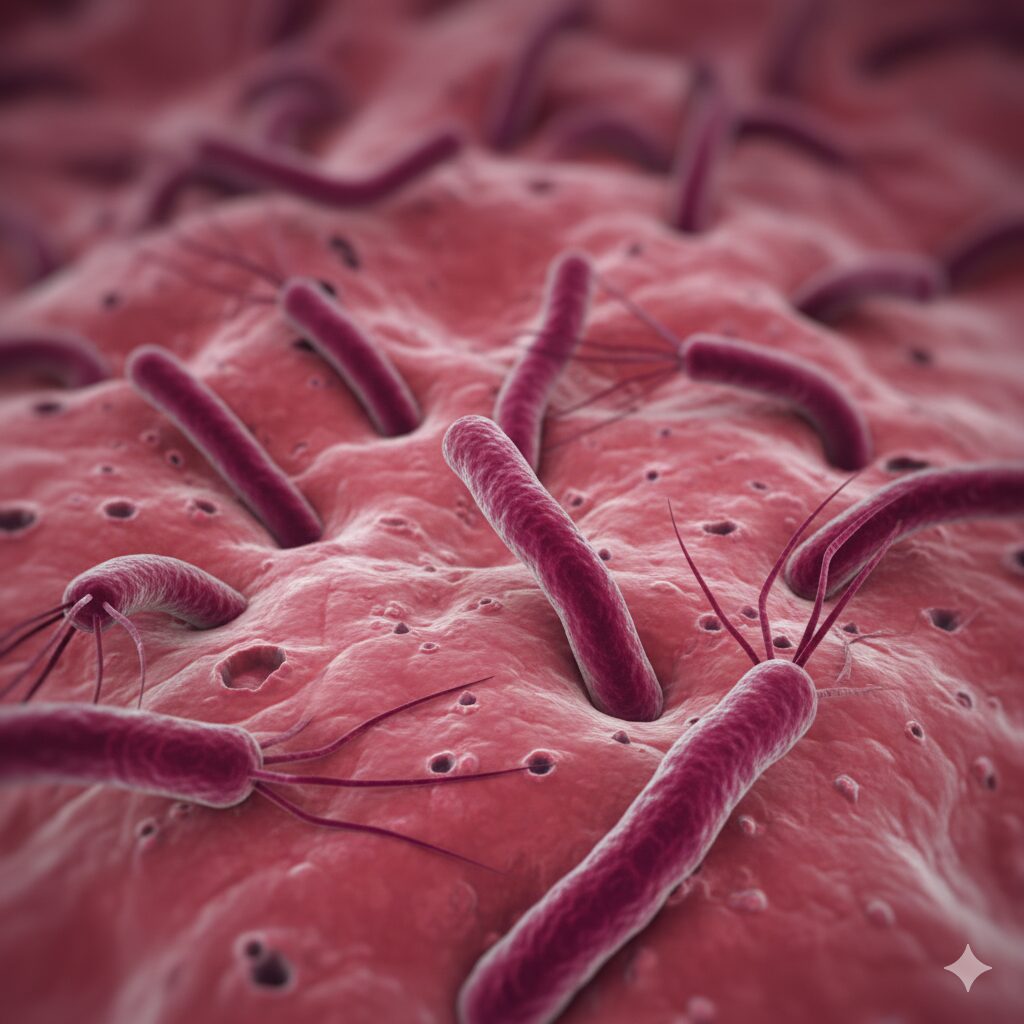
The bacterium Helicobacter pylori (H. pylori) is recognized as the strongest risk factor for stomach cancer. Infection can lead to gastritis, ulcers, and eventually increase the risk of cancer progression.
- Important: If an endoscopy reveals you are infected with H. pylori, it is crucial to discuss and undergo eradication therapy with your doctor. Successful eradication significantly reduces the risk of stomach cancer.
📝 Terminology: Helicobacter Pylori
A spiral-shaped bacterium that lives in the stomach. It damages the lining, causing chronic gastritis. Treatment involves a combination of antibiotics and acid-suppressing drugs.
4. Quit Smoking and Limit Alcohol
Smoking increases the risk of almost all cancers, including stomach cancer. Cigarette smoke contains numerous carcinogens that directly damage the stomach lining. Excessive alcohol consumption also causes inflammation and exacerbates damage to the stomach.
- Tip for Action: If you smoke, quit immediately. Limit alcohol intake, ideally avoiding it or keeping it to one or two drinks per day at most.
5. Regular Eating Habits and Slow Eating
Irregular meal times confuse acid secretion and irritate the stomach lining. Habits like eating late at night or overeating are also detrimental to stomach health.
- Tip for Action: Eat at regular times, and chew your food slowly and thoroughly. This is the most fundamental way to reduce the burden on your stomach during digestion.
Image 3 : Close-up photo of a balanced, low-sodium meal (focus on vegetables, fruits, whole grains)
🩺 The Final Defense: Regular Endoscopic Screening
The most definite and effective way to prevent the progression of stomach cancer is regular screening. While maintaining healthy habits is essential, if cancer does occur, early detection allows for a cure rate of over 90%.
- Recommendation: Even without specific symptoms, it is recommended for individuals over 40 to receive a gastric endoscopy every two years, often covered by national screening programs. If you have a family history of stomach cancer or underlying conditions like atrophic gastritis or intestinal metaplasia, consult your doctor about more frequent check-ups.
✨ Conclusion: Small Attention Leads to Great Health!
Today, we’ve thoroughly explored the early signs of stomach cancer, which are often mistaken for simple indigestion, and effective lifestyle prevention tips. Please remember that stomach cancer is a highly treatable disease when found early, not necessarily a terminal one.
Our stomach is a vital organ that processes everything we consume. Starting today, adopting small habits—like cutting down on salty and stimulating foods and eating more fresh vegetables—will strengthen and protect your stomach.
Never ignore the small signals your body sends (indigestion, discomfort). A slight “What if?” instead of “I’ll be fine” can be the greatest power you have to protect your health. Why not check your next health screening date right now? Cooldy will always support your healthy life! 💪
References
- National Cancer Center, Korea – https://www.cancer.go.kr
- Korean Society of Gastroenterology – https://www.kosge.org