Hello, I’m Cooldy, your health blogger!
Lately, I’ve noticed many people around me expressing concerns about bone health. The worry is often focused on the risk of fractures—bones breaking easily even from minor impacts. Since bone damage can be difficult to fully recover from, proactive management is absolutely vital. Let’s delve into the top secrets for strengthening the very foundation of our bodies: our bones!
🤔 Quick Check: What Exactly is Osteoporosis?
Osteoporosis literally means “porous bone.” It’s a condition where bone density (the amount of bone tissue) decreases, and the micro-structure of the bone tissue deteriorates. This leaves the bone fragile and susceptible to fractures from minimal stress. It’s particularly common in postmenopausal women, but also frequently affects men as they age.
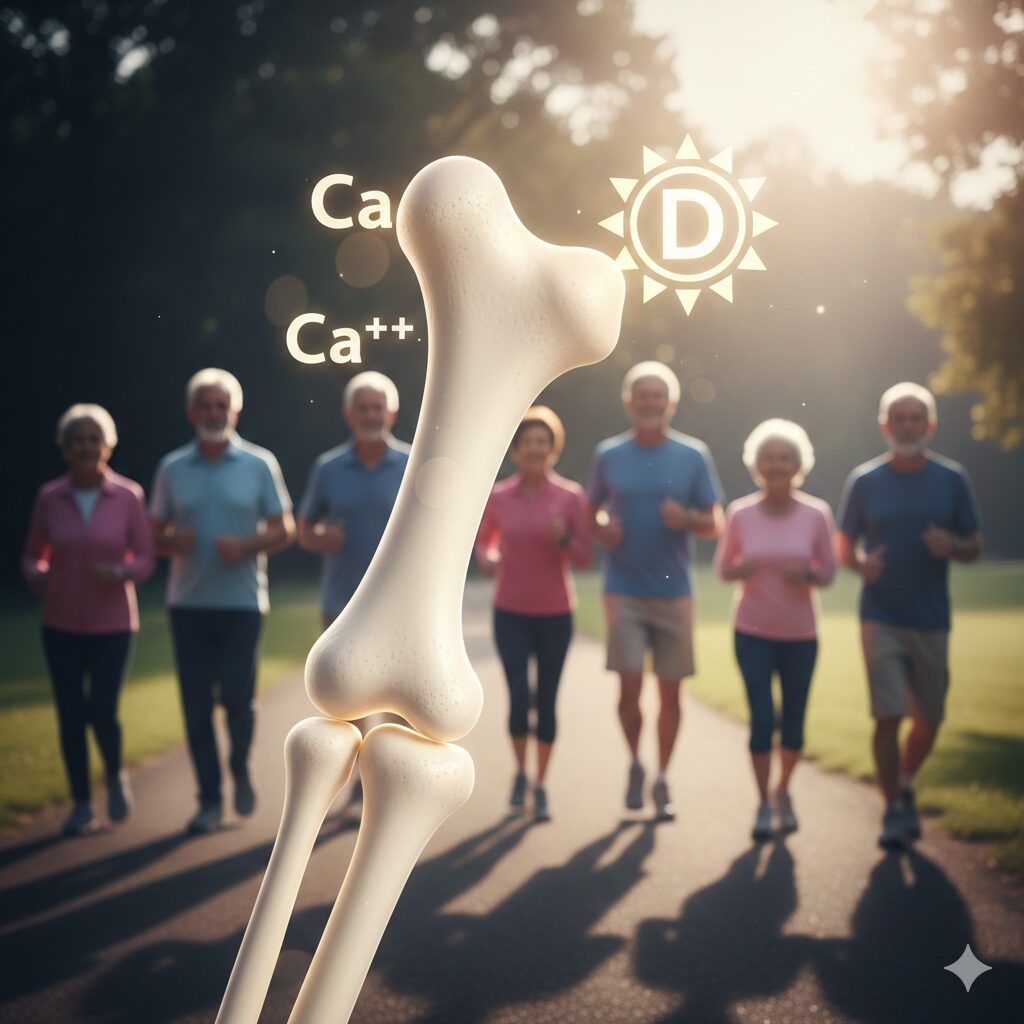
🦴 Is Your Skeleton Safe? Who is at Risk and When?
Osteoporosis is known as a silent disease because it often presents no symptoms initially. Many people only discover they have it after experiencing a painful fracture from an incident that should have been minor.
Key Risk Groups:
- Postmenopausal Women: Estrogen, a hormone that protects bones, sharply declines after menopause, leading to rapid bone loss.
- Chronically Underweight Individuals: Lower body weight means less load or stress is placed on the bones, which can result in lower bone density.
- People with Low Physical Activity: Regular exercise stimulates bone growth. If you are sedentary, your bones become less active too.
- Long-Term Use of Certain Medications: Medications like corticosteroids or some anticonvulsants can negatively impact bone health.
- Family History: If your parents experienced an osteoporosis-related fracture, your risk factor is higher.
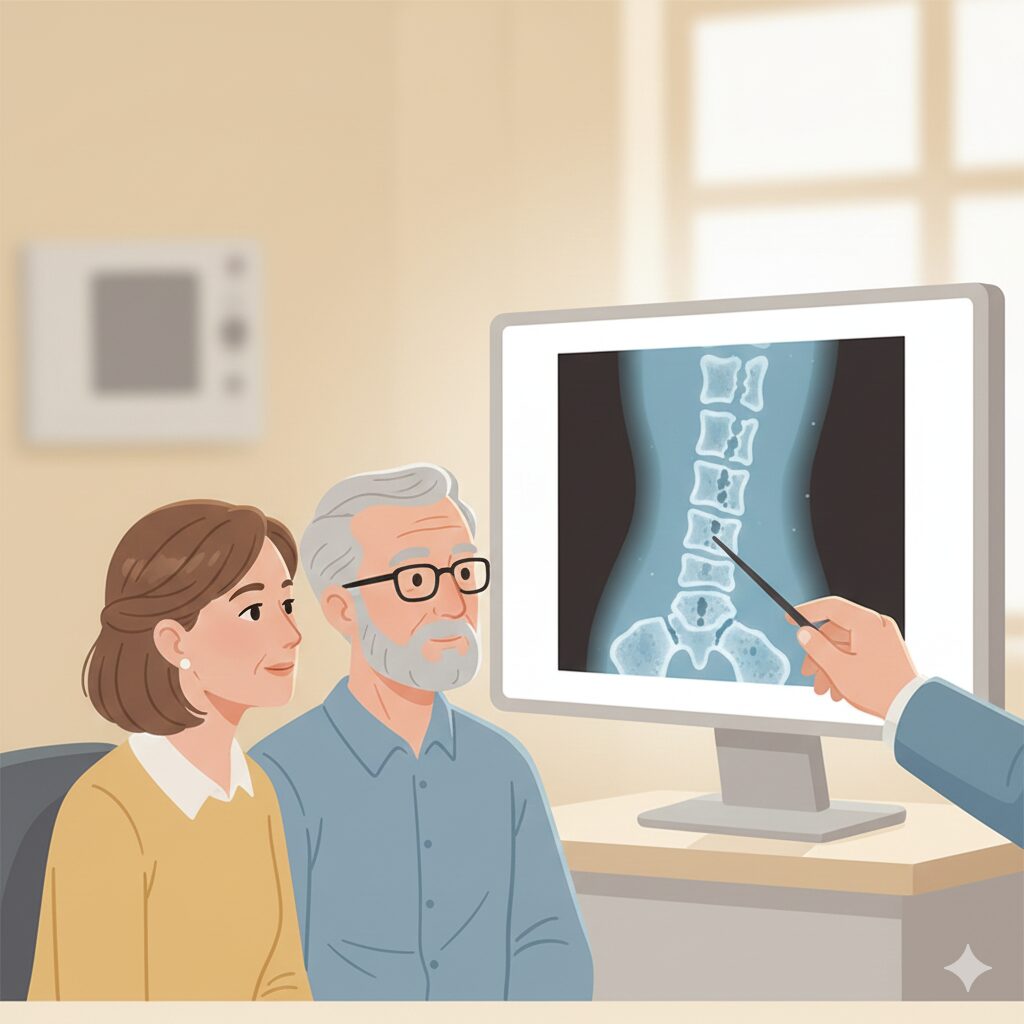
🥗 Core Nutrient Strategies for Hardening Your Bones
When we talk about bone health, two nutrients are non-negotiable: Calcium and Vitamin D. They are the power duo essential for keeping bones strong and resilient.
1. Calcium: The Backbone of Your Skeleton
The vast majority of the calcium in your body is used to build bones and teeth. Sufficient calcium intake is the basic requirement for maintaining bone density and reducing fracture risk.
- How Much? Aim for a minimum daily intake of 1,000 mg of calcium.
- How to Take It? To maximize absorption, it’s best to consume calcium throughout the day with meals rather than taking a large dose all at once.
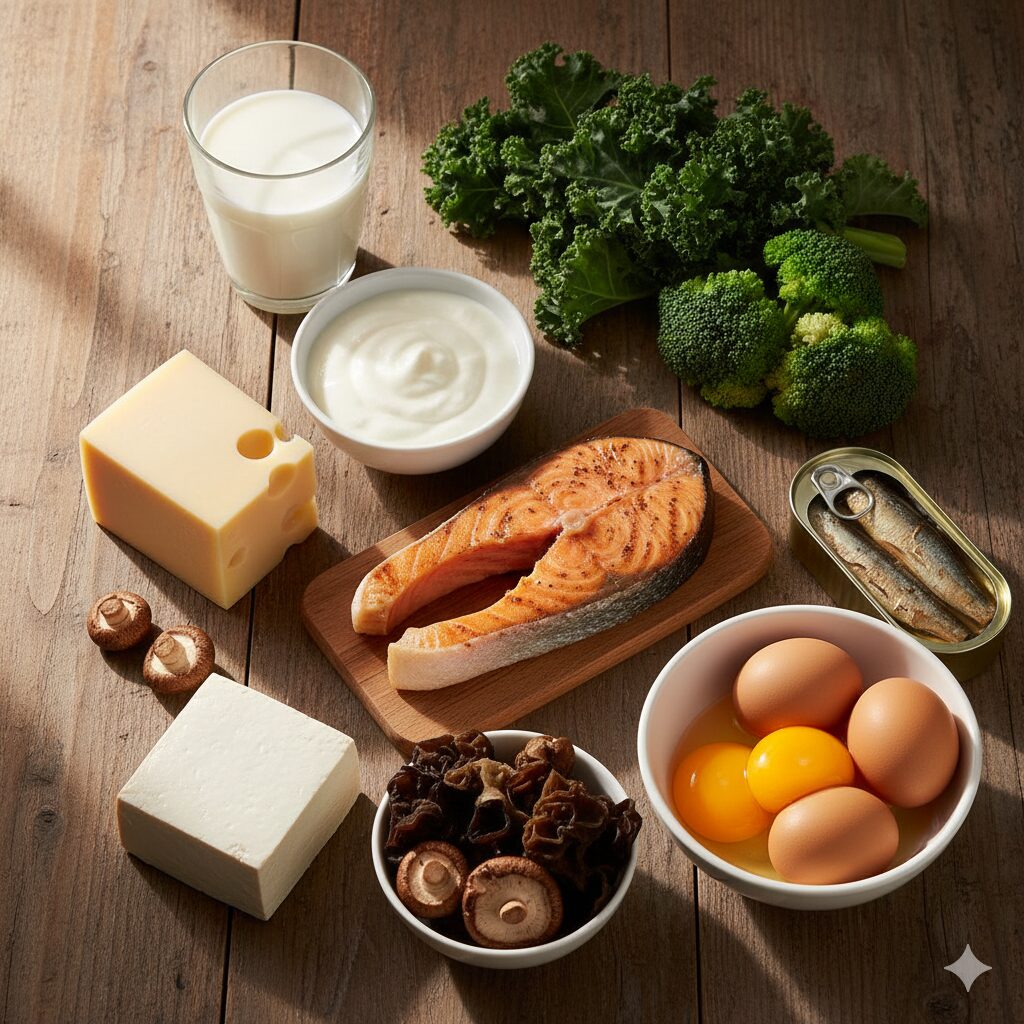
- Recommended Foods:
- Dairy Products: Low-fat milk, yogurt, cheese.
- Green Vegetables: Kale, broccoli, spinach (blanching these reduces oxalates, improving calcium absorption).
- Seafood: Small fish eaten with bones (like sardines or anchovies), seaweed.
- Legumes: Tofu, black beans.
2. Vitamin D: The Guide for Calcium Absorption
No matter how much calcium you consume, if you lack Vitamin D, the calcium won’t be properly absorbed into your bones and will be excreted. Vitamin D plays a crucial role by aiding calcium absorption in the gut and preventing its loss through the kidneys.
- How Much? An intake of 800 IU or more per day is generally recommended.
- How to Get It? Vitamin D is primarily synthesized in the skin when exposed to sunlight. 15 to 30 minutes of direct sun exposure daily is the best natural source (note: sunscreen may inhibit synthesis).
- Recommended Foods:
- Fatty Fish: Salmon, mackerel, tuna.
- Mushrooms: Shiitake, wood ear mushrooms (dried varieties often have higher Vitamin D content).
- Egg Yolks
- Supplements: If sun exposure is limited or dietary intake is insufficient, consider a supplement after consulting a healthcare provider.
🏃♀️ Tailored Exercise Routines for Stronger Bones
Bone is living tissue and requires appropriate stimulation to remain dense. Exercise that places weight on the bone, known as weight-bearing exercise, is crucial for boosting bone mineral density.
1. Essential: Weight-Bearing Exercise (3+ times per week)
Weight-bearing exercise uses the force of gravity to place beneficial stress on the bones, stimulating new bone formation.
- Brisk Walking/Jogging: A 30-minute brisk walk daily is the easiest and most effective weight-bearing activity.
- Stair Climbing: Using stairs (if your knees allow) significantly improves lower body strength and bone density. (It’s often recommended to use the elevator for descending to reduce knee strain.)
- Light Hiking: Regular hiking exposes your bones to varied stresses, further strengthening them.
2. Strength Training (Twice a week)
Increasing muscle mass helps support the skeleton, reducing fracture risk and improving balance to prevent falls.
- Modified Squats: Start with ‘sit-to-stand’ exercises using a sturdy chair, gradually progressing to deeper squats if comfortable. (Excellent for leg muscle strengthening).
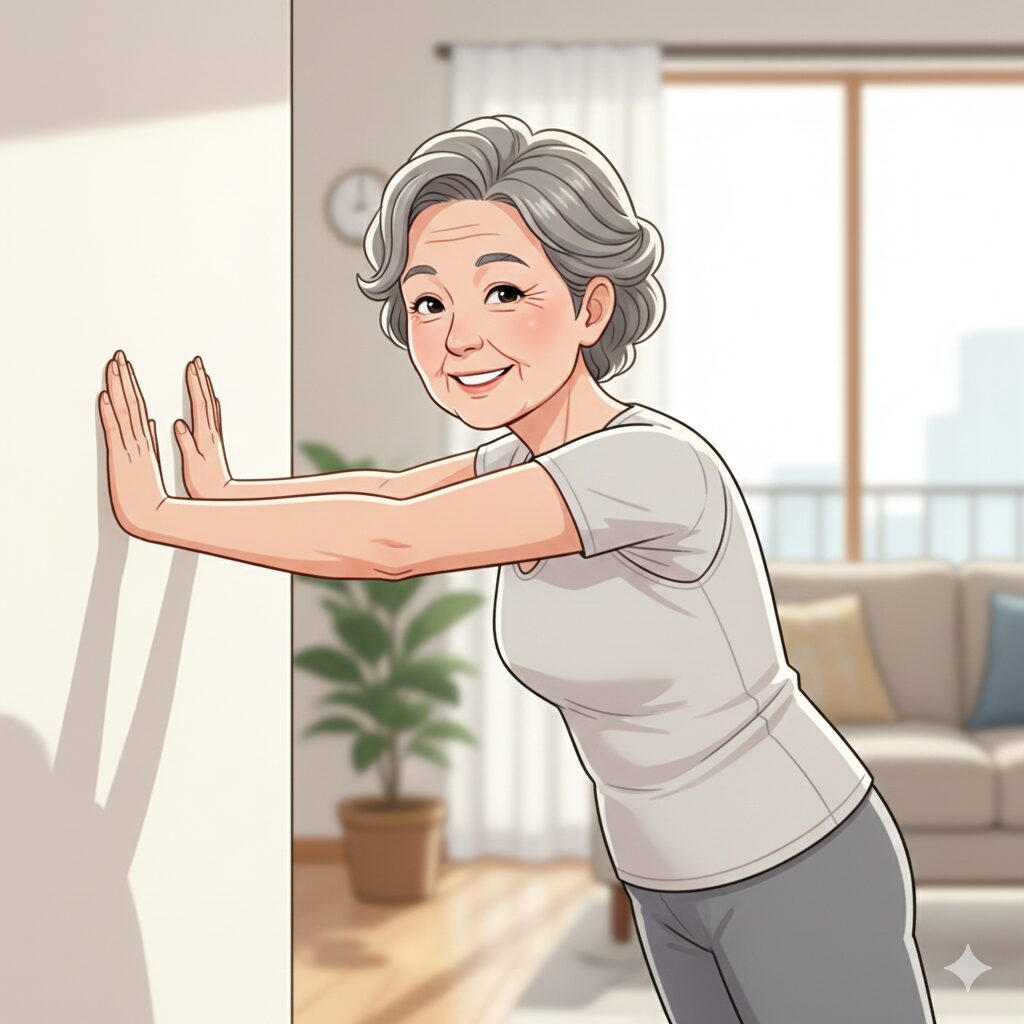
- Wall Push-ups: Doing push-ups against a wall is a safer way to strengthen upper body muscles, especially supporting the bones in the wrists and arms.
- Light Dumbbells: Use very light weights (even water bottles work!) for simple exercises like shoulder raises or bicep curls.
⚠️ Caution: Exercises to Avoid
Movements that involve excessive bending, twisting of the spine, jumping, or lifting very heavy weights can increase the risk of spinal fractures. For example, be careful with vigorous golf swings or traditional sit-ups/crunches.
🏠 Small Changes for Fall Prevention at Home
A strong bone is useless if you fall. Most fractures occur as a result of falls inside the home. Reducing the risk of falling is key to osteoporosis prevention.
- Non-Slip Surfaces: Install non-slip mats in bathrooms and kitchens.
- Ensure Lighting: Place a lamp by the bed or install motion-sensor lights to safely navigate to the bathroom at night.
- De-clutter: Remove trip hazards like loose cords, small rugs, or unnecessary clutter.
- Vision Check: Regular eye exams and wearing correct glasses are vital for maintaining good balance.
- Medication Review: Consult your doctor about any medications (like sleeping pills or tranquilizers) that might cause dizziness or drowsiness, thereby increasing fall risk.
Cody’s Encouragement!
Osteoporosis is a manageable and preventable condition. By consistently implementing the calcium and Vitamin D strategies, combined with the weight-bearing exercises I’ve shared today, your bones can regain vitality. Remember that consistency is the most powerful bone supplement! If you have already been diagnosed with osteoporosis, always coordinate treatment (including medication) with your specialist for the safest and most effective results. Cody supports your journey toward a strong and resilient life! 💪