Hello, I’m Cooldy, a blogger passionate about sharing health information!
Interest in health seems to be at an all-time high these days, and one area we must pay closer attention to, especially as we age, is heart health. Heart disease is a serious global health concern with high mortality rates. Among these conditions, Angina Pectoris is one that many people worry about.
For those of you thinking, “Could this be me?”, I’ll break down the causes of angina, how to self-diagnose early symptoms, and simple, actionable preventive habits you can adopt daily to keep your heart strong.
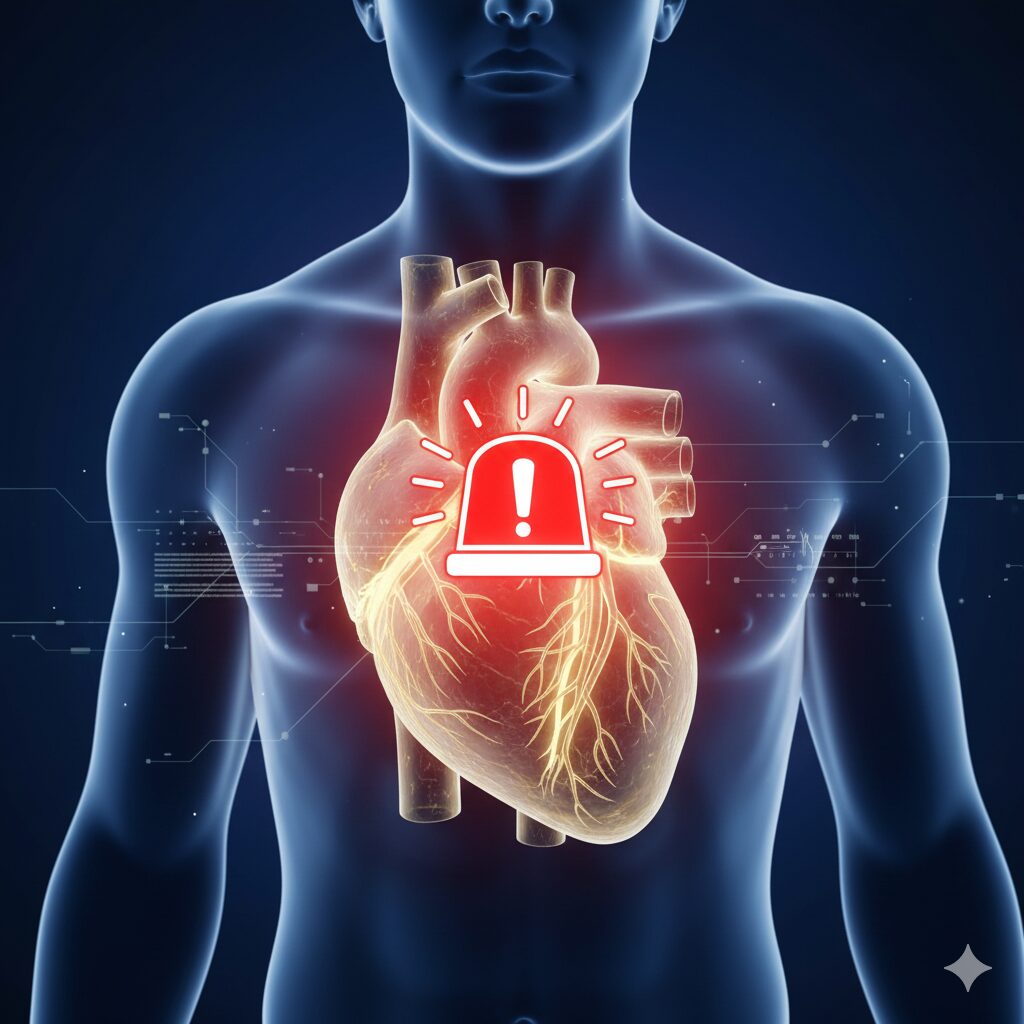
⚠️ Why is Angina Dangerous? (Causes and Mechanism)
Our heart is a vital organ that constantly pumps blood to maintain life. But the heart itself also needs oxygen and nutrients, right? The blood vessels that supply the heart muscle are called the coronary arteries.
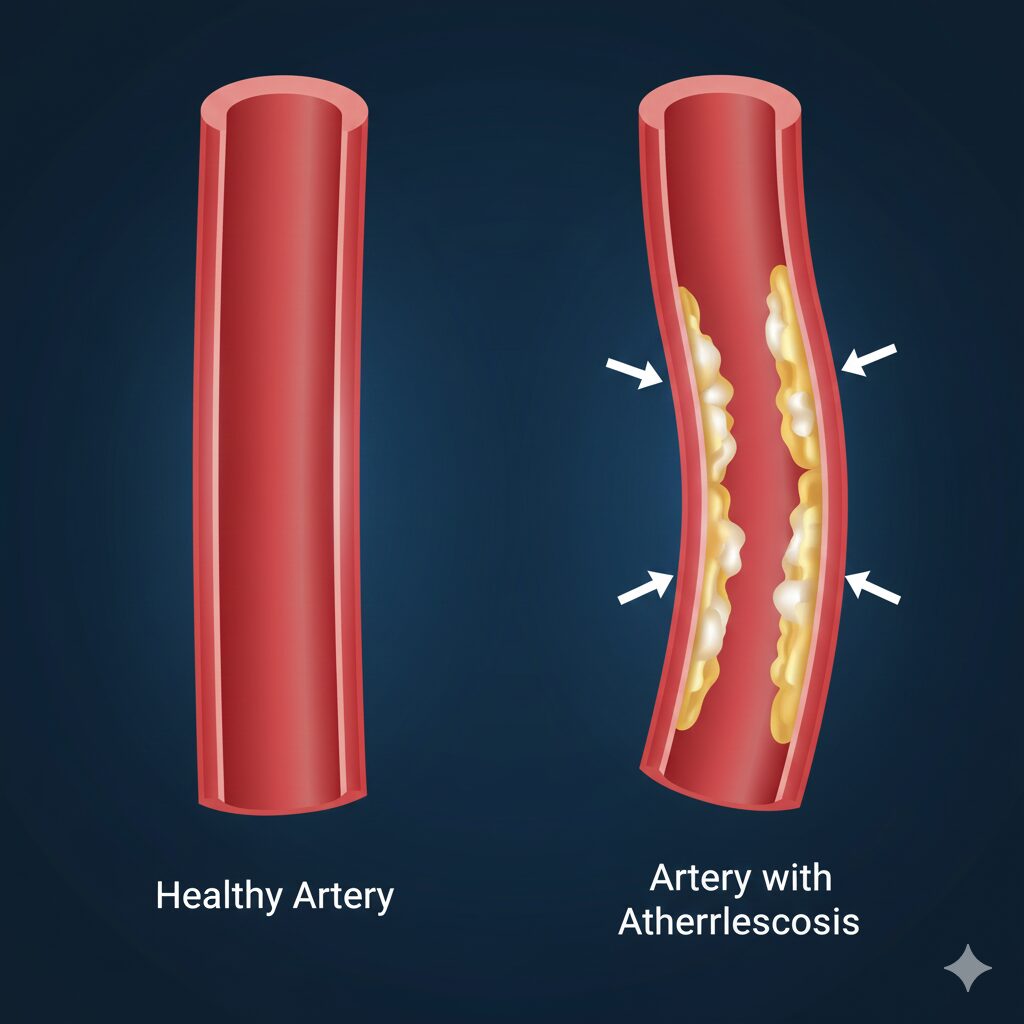
Angina occurs when the coronary arteries narrow or become blocked, preventing the heart muscle from receiving enough blood (oxygen and nutrients). Think of it like a clogged highway: the heart muscle is gasping because it isn’t getting the fuel it needs on time.
The primary reason for the narrowing of the coronary arteries is **atherosclerosis** (hardening of the arteries). This happens when plaque—fatty deposits like cholesterol—builds up on the artery walls, making the inside of the vessel narrow and stiff. Other major risk factors for angina include high blood pressure, diabetes, high cholesterol (hyperlipidemia), smoking, obesity, and severe stress.
🔍 Check Yourself! The 4 Main Symptoms of Angina
The primary symptom of angina is generally chest pain (chest discomfort). However, how this pain feels is crucial, as it can be easily confused with muscle strain.
- A Squeezing or Tightening Sensation (Chest Pressure): This is the most common symptom. It often feels like the center of the chest is being squeezed, crushed, or weighed down by a heavy object. The sensation is more of a “tightness” than a sharp, piercing pain.
- Radiating Pain: The pain may not stay in the chest but can spread to the left arm, neck, jaw, back, or upper stomach area (often mistaken for indigestion). You should be particularly watchful if you feel numbness or aching in the left shoulder or inner arm.
- Trigger and Duration: Pain usually occurs when the heart needs to work harder (i.e., when oxygen demand increases), such as when walking fast, climbing stairs, lifting heavy objects, during severe stress, or when exposed to cold weather. The pain typically lasts for a short period, usually less than 5 minutes, and subsides with rest—a characteristic of stable angina.
- Shortness of Breath and Associated Symptoms: In addition to chest pain, you might experience shortness of breath, cold sweats, or nausea (which can be mistaken for indigestion).
[Cody’s Note] A quick heads-up! Unlike stable angina, unstable angina—where pain occurs even at rest or the intensity/frequency of pain suddenly increases—is much more dangerous as it significantly raises the risk of a myocardial infarction (heart attack). If these symptoms appear, seek medical attention immediately.
☝♀️ Strengthen Your Heart! 5 Essential Habits to Manage Angina
Angina is a serious condition, but it can be managed and prevented with the right habits. Even if symptoms have already appeared, improving your lifestyle can slow the progression of the disease and significantly boost your heart health.
1. Quit Smoking (Must Do) and Moderate Alcohol Intake 🚬
Smoking is the worst habit for accelerating atherosclerosis in the coronary arteries. Harmful substances in cigarette smoke damage blood vessel walls, raise blood pressure, and multiply the risk of heart disease. Quitting smoking is the first and most certain investment you can make in your heart health. Excessive alcohol consumption also stresses the heart, so moderation is advised.
2. Regular Aerobic Exercise, Starting with ‘Walking’ 👟
Consistency is more important than intensity. Aerobic exercises like brisk walking, light jogging, swimming, or cycling for 30 minutes or more, 3–5 times a week, strengthen cardiopulmonary function and improve blood vessel elasticity. However, if you have angina, you must stop immediately and rest if pain occurs during exercise. Always remember to stretch before and after your workout.

3. Eat Heart-Healthy Foods – Your Blood Vessel Cleaners 🥪
Dietary management is central to vascular health.
- Increase Whole Grains, Vegetables, and Fruits: Foods rich in fiber help inhibit cholesterol absorption and aid in blood pressure control. Consistently consume spinach, broccoli, berries, etc.
- Consume Omega-3 Fatty Acids: Omega-3, abundant in fatty fish like salmon and mackerel, is excellent for thinning the blood and reducing vascular inflammation. Nuts like walnuts and flaxseeds are also beneficial.
- Reduce Sodium and Fats: A salty diet (excessive sodium) raises blood pressure and puts a heavy strain on the heart. Minimize the intake of saturated and trans fats found in processed foods and fried items.
4. Manage Stress and Get Enough Sleep 🧘
Chronic stress elevates blood pressure and heart rate, overburdening the heart. Relieve stress through meditation, hobbies, or light walks. Getting 7–8 hours of adequate sleep allows your heart the best chance to rest and recover.

5. Regular Check-ups and Managing Blood Pressure/Sugar 🧼
High blood pressure, diabetes, and high cholesterol are primary risk factors for angina. Frequently check your blood pressure and blood sugar levels. If you find any abnormalities, follow your doctor’s instructions for consistent medication and treatment. Regular cardiac screenings are also crucial for understanding your heart’s condition.
❗️ Closing Thoughts: The Heart is Our Lifelong Companion
While angina is a serious, life-threatening condition, it can be largely prevented and managed by recognizing the early symptoms and actively improving lifestyle habits.
Please keep the self-diagnosis symptoms and the five preventive habits I shared today in mind. The heart is a precious companion that beats with us throughout our lives. Never forget that small changes in habit build a healthy future. Start implementing these heart-healthy routines today! I’ll always be rooting for you! 💪